


















Filters
19 products
DIY
FAQ
What are the benefits of choosing a carbon frame road bike over an aluminum frame?
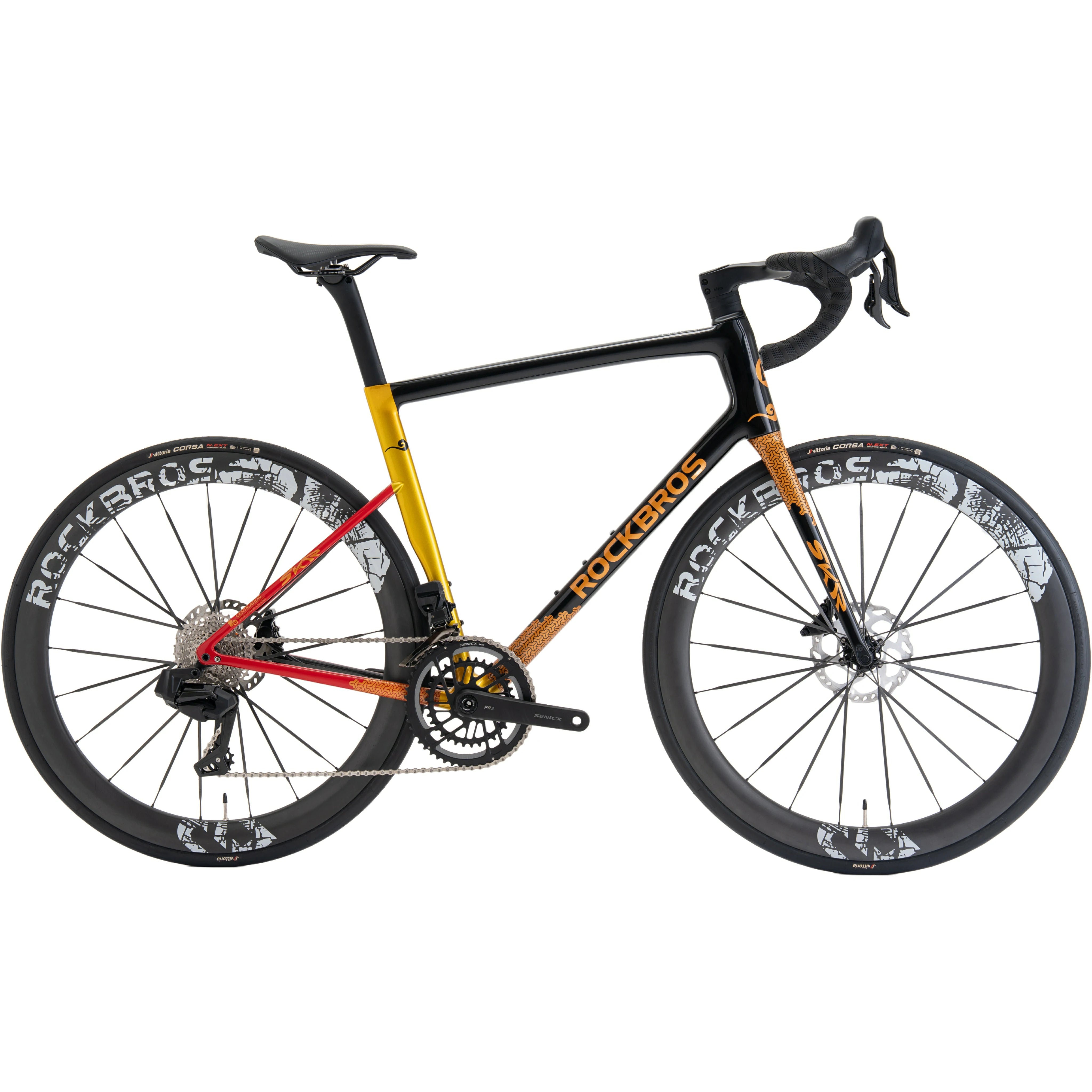
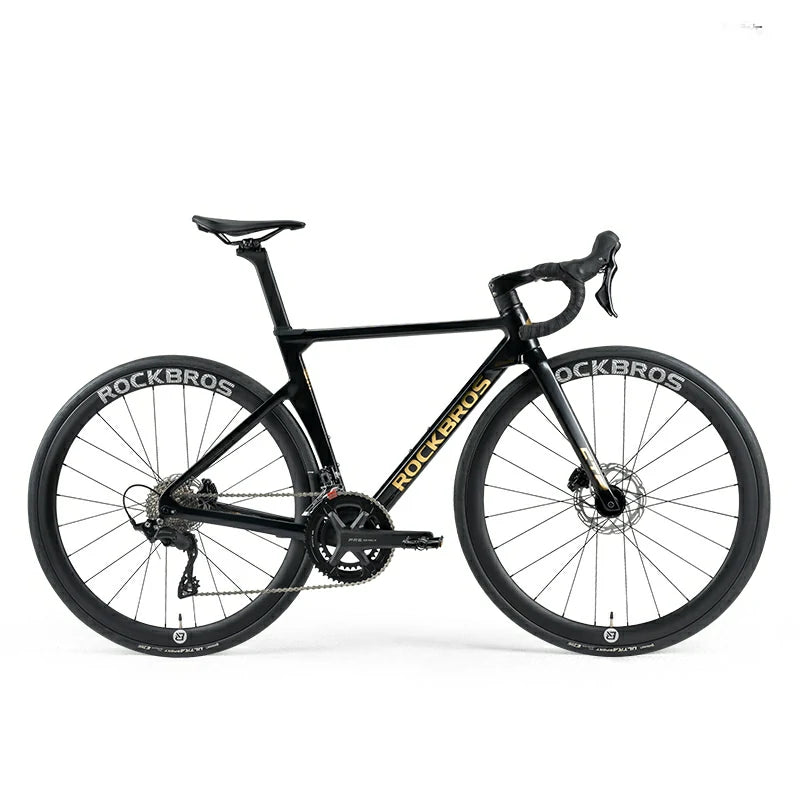
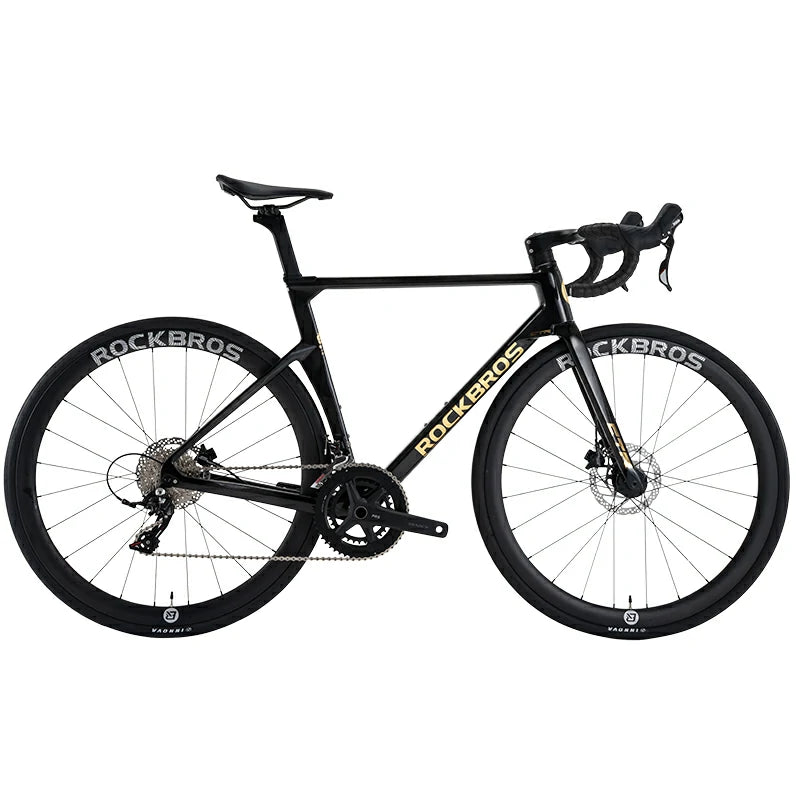
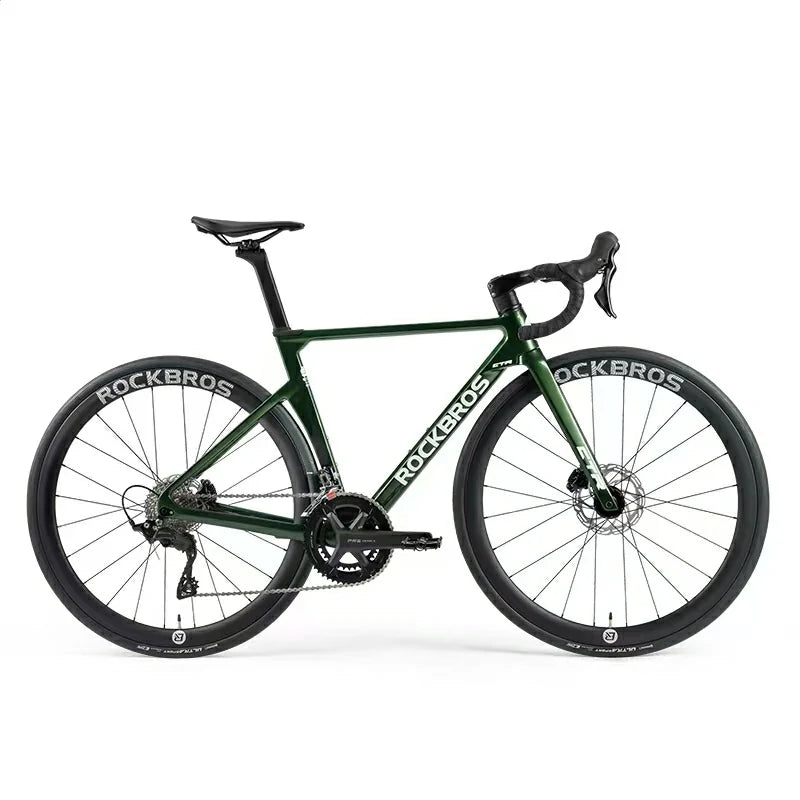
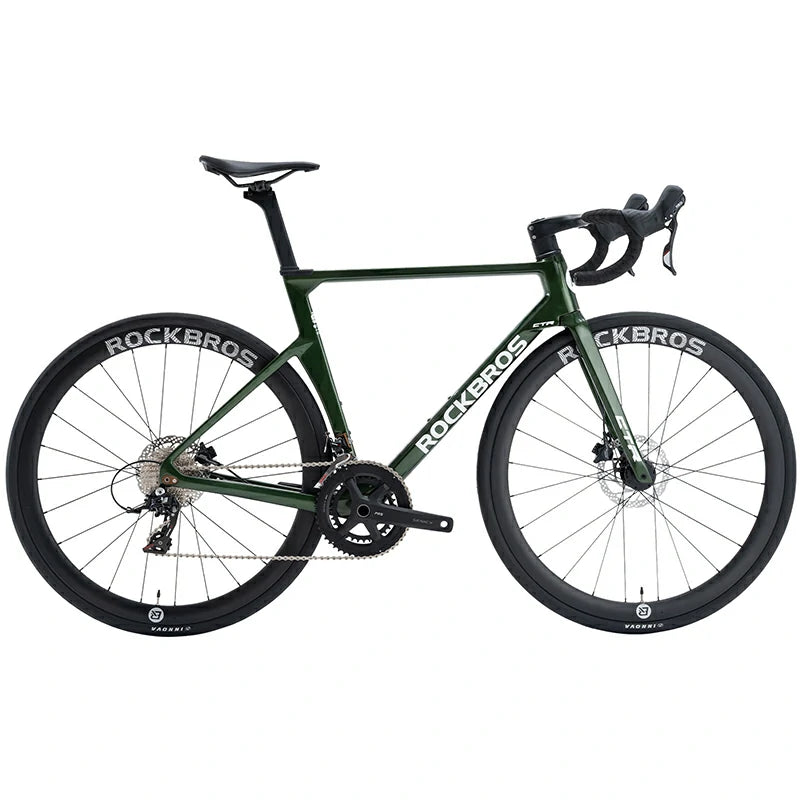
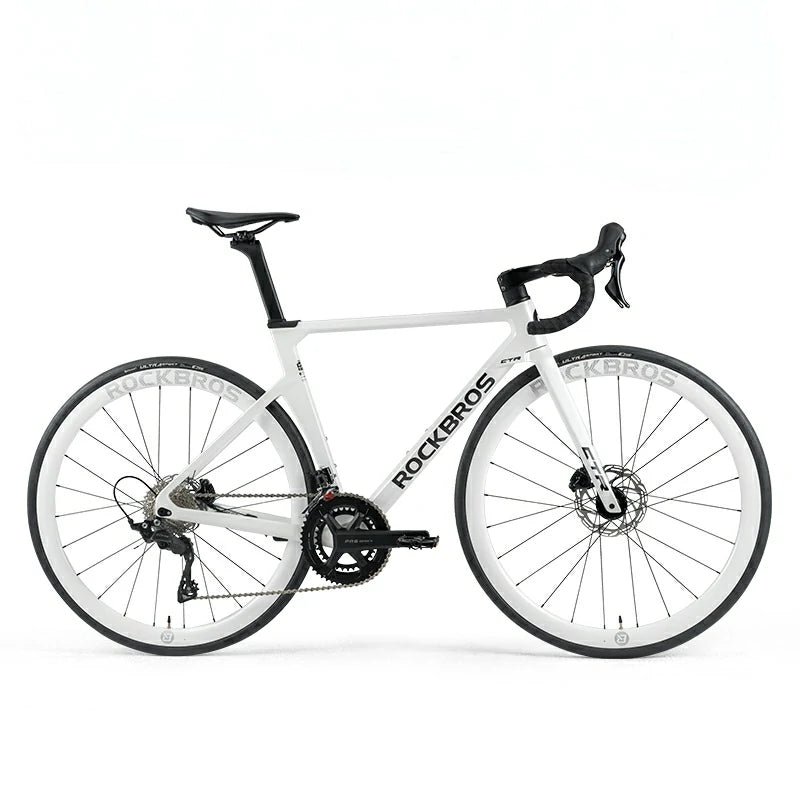
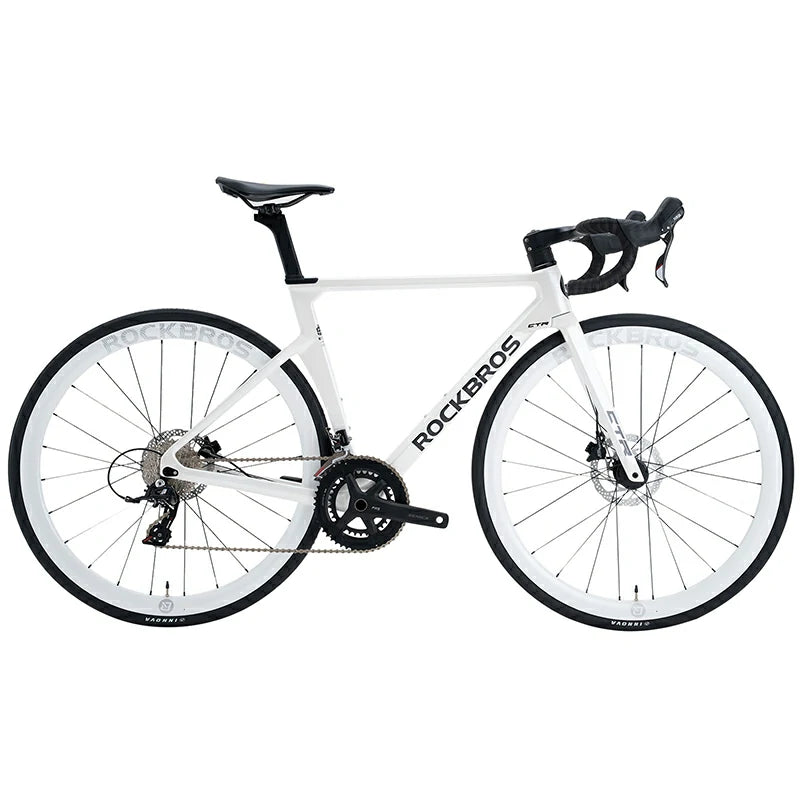
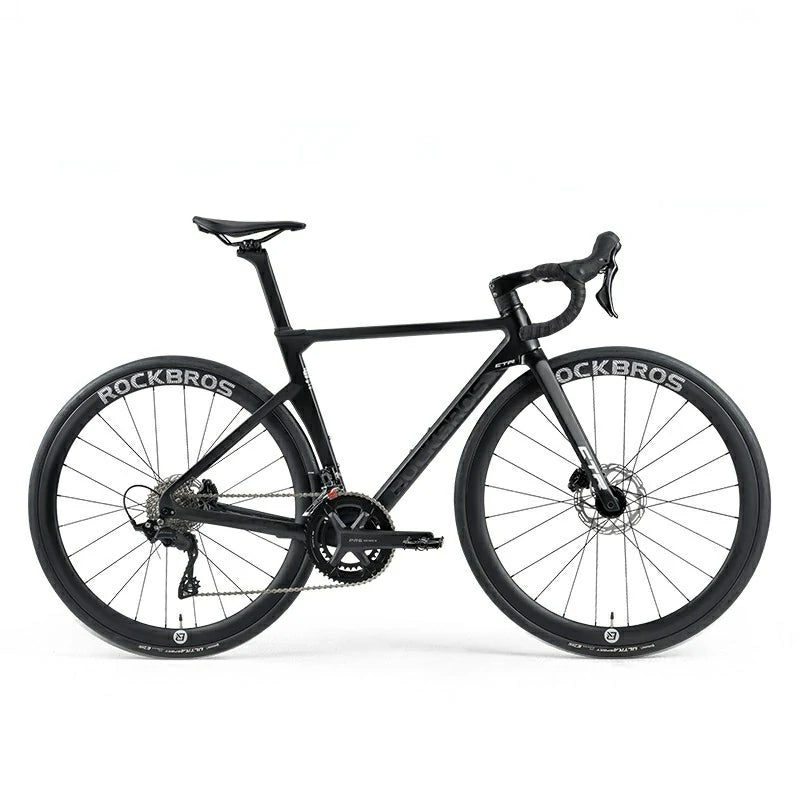
When choosing a road bike, the frame material plays a pivotal role in performance. Carbon frame road bikes are favored for their lightweight construction, making them ideal for cyclists seeking speed and endurance. Carbon fiber offers better comfort during long rides, as it absorbs vibrations more effectively than aluminum frames, reducing fatigue. Additionally, carbon frames are stiffer, which translates into improved power transfer for performance road bikes. For those focused on race bikes or endurance road bikes, the inclusion of a carbon fork and carbon wheels enhances stability and handling, even on rougher roads. Carbon frames are a key feature of top road bike brands for their balance of lightness, strength, and ride quality.
How do I determine the right size for a road bike to ensure a comfortable fit?
Getting the right bike fit is essential for comfort and performance, especially on long rides. To find the perfect fit, consider the type of bike you need. Endurance road bikes typically feature relaxed geometry and an upright riding position, providing extra comfort for longer journeys. In contrast, aero bikes are designed for speed, often with more aggressive geometries that place you in a more aerodynamic position. To choose the right size, refer to the size chart for each model based on your height and inseam, with options from x small to xx large. A professional bike fit at a local bike shop can help refine this, especially if you're purchasing a women's road bike or a bike designed for specific riding needs.
What is the difference between electronic shifting and traditional mechanical gearing on road bikes?
Electronic shifting systems, such as Ultegra Di2 or Sram Red AXS, offer precise, effortless gear changes compared to traditional mechanical shifting systems. This makes them especially useful for performance road bikes and race bikes, where consistent and smooth shifting is critical. Electronic shifting eliminates the need for manual adjustments, ensuring accuracy, which is particularly beneficial during charity rides or endurance bike events. While electronic shifting comes at a higher price, it provides improved overall performance, ease of use, and reliability, making it an ideal choice for riders focused on competitive cycling or those who demand the highest performance on long, challenging rides.
How do gravel bikes differ from road bikes and which one is better for me?
Gravel bikes and road bikes are designed for different types of riding. Gravel bikes feature relaxed geometry, wider tires, and better stability for handling rougher roads and off-road conditions. They are versatile, offering comfort and durability for mixed-terrain riding, making them perfect for cyclists who want to explore beyond paved roads. Road bikes, on the other hand, are built for speed and efficiency on smooth surfaces. Aero bikes and performance road bikes focus on aerodynamics and lightweight frames, prioritizing speed and handling on roads. If you're mainly riding on smooth roads and prefer faster rides, a road bike is the best choice. However, if you're looking to tackle gravel or mixed terrain, a gravel bike offers more flexibility and comfort.