









Bike bells seem small, but they play a big role in keeping city rides smoother, safer, and more polite. This guide explains why a good bike bell matters, how different designs and materials change the sound, and how to choose the right ROCKBROS model for adults and kids, with real examples from the bells available on the ROCKBROS US store.
Are Bike Bells Really Necessary? The Safety Answer Riders Care About
Many riders—especially casual commuters and parents—wonder if a bike bell is really needed when they already have brakes, lights, and a voice. In real city riding, most low‑speed collisions and near‑misses happen not because someone didn’t look, but because they didn’t realize a bike was approaching until the last second. On shared paths, narrow bike lanes, and mixed‑use sidewalks, walkers may wear headphones, talk to friends, or be distracted by phones, and your quiet drivetrain and tires are almost silent until you’re right behind them.
A clear, short “ding” from a bike bell does two things that shouting usually doesn’t. First, the sound is in a frequency range our ears are especially good at picking out from background noise, so people recognize it as a traffic cue, not random shouting. Second, it feels polite and neutral—more like “excuse me” than “watch out!”—which helps reduce startle reactions and sudden, unpredictable movements. In many countries and cities, traffic safety guidelines even recommend or require bikes to be equipped with an audible warning device such as a bell, precisely because early, calm communication prevents last‑second emergency braking.
In busy U.S. cities, on riverfront paths, and anywhere bikes share space with pedestrians, using a bike bell two or three seconds before you pass gives others time to react smoothly. For kids, a bell is often their first “communication tool” on a bike: an easy, fun way to say “I’m here” that doesn’t rely on shouting. A simple, reliable bell—like the compact, loud ROCKBROS brass bells designed for adult and kids’ handlebars—becomes part of their safety habit every time they ride.

Materials and Sound: Comparing Different Types of Bike Bells
Not all bike bells sound or behave the same. The material of the dome, the internal striker mechanism, and how the bell mounts on the handlebar all shape its volume, tone, and durability.
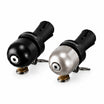
Classic metal bike bells in steel or aluminum are what most people picture: a small dome, a lever or striker, and a sharp, clear “ding.” Models like the ROCKBROS Bike Classic Bicycle Bell Loud Sound Bells use a brass alloy dome with an internal striker to produce a bright, attention‑grabbing ring that cuts through city noise without being harsh. These bells are simple, tough, and affordable, which makes them ideal for everyday commuting bikes, city e‑bikes, and shared family bikes. Because they use metal bands and silicone layers in the mount, they stay in place on a wide range of bar diameters while protecting the paint.
Copper alloy bike bells sit at the “premium sound” end. The ROCKBROS Copper Alloy Bike Bell Clear Loud 100dB Sound is built around a copper alloy cap and sounder, engineered to deliver up to around 100 dB of clear output. The tone is slightly warmer and more resonant than a basic steel bell, with a lingering ring that helps walkers and other riders locate you even if they didn’t see you right away. The copper cap is combined with a hidden, under‑bar mounting design that keeps the cockpit clean: you get serious volume and clarity without a bulky, obvious bell sticking out.
There are also minimalist and plug‑type bells designed for riders who care a lot about cockpit space and aesthetics. The ROCKBROS Handlebar Plug‑Type Road Bike Bell fits directly into a 22.2 mm handlebar end, keeping the top of the bar free for computers, lights, and hands while still offering up to about 80 dB of crisp sound. A small ergonomic paddle lets you ping the bell with your pinky finger, making it ideal for road bike and gravel riders who don’t want to change hand position to warn others. For flat bars and many city bikes, the ROCKBROS Bike Bells Hidden for 22.2mm Handlebars hide the bell body close to the bar with a compact metal shell, delivering more than 100 dB of “bright tone” from a very discreet package.
Finally, there are universal small bells tuned for both adults and kids. The ROCKBROS 100dB Bike Bell, for example, pairs a brass shell with an internal collision system to create a loud but pleasant ding, and uses interchangeable rubber bands and anti‑slip pads to fit a wide range of handlebar diameters from 0.87 to 1.34 inches. This kind of flexible mounting makes it a good choice if you want one style of bell that works on road bikes, MTBs, fat bikes, and even kids’ bikes in the household.

Across all these types, the key differences to pay attention to are: how loud the bell is in real traffic, whether the tone is sharp, warm, or harsh, whether the mount fits your handlebars securely, and how well the design matches your bike’s look and your riding style.
How to Choose the Right ROCKBROS Bike Bell
For adults and kids, the best bike bell is the one that fits the bar properly, sounds right for the environment, and is easy to use without thinking. The details just look a little different depending on whether you’re a commuter, a weekend rider, or a parent outfitting a child’s bike.
For adult commuters and city riders, start with your main environment. If you ride in busy urban streets or on shared paths with joggers, dog walkers, and other cyclists, you need a bell that is clearly audible at a distance and through background noise, but still pleasant to hear. Classic brass bells like the ROCKBROS Bike Classic Bicycle Bell Loud Sound Bells are a great fit here: they produce a sharp, clear “ding” that pedestrians quickly recognize, and their compact mount with two different metal bands lets you fit most adult handlebars from roughly 0.83 to 1.4 inches in diameter. If you want even more reach, the ROCKBROS 100dB Bike Bell gives you extra volume in a small footprint and secures with durable rubber bands and anti‑slip pads, which is useful if you frequently move the bell between different bikes.

If you’re riding a road bike or performance‑oriented flat‑bar bike and you care a lot about cockpit cleanliness, a stealth or integrated design can be ideal. ROCKBROS Handlebar Plug‑Type Road Bike Bell disappears into the bar end on 22.2 mm bars while keeping a crisp 80 dB ring ready at your fingertip, and the ROCKBROS Hidden Bike Bell for 22.2 mm Handlebars mounts low and tight to the bar, producing a bright 100+ dB tone from a minimal metal shell that barely changes the overall look of the bike. These options are especially appealing if you already have lights, a computer, and perhaps aero bar accessories and don’t want a bulky bell clamp on top of everything.

For riders who appreciate both function and a more refined aesthetic—think city commuters on clean urban builds or drop‑bar gravel bikes—the copper alloy models are worth a look. The ROCKBROS Copper Alloy Bike Bell Clear Loud 100dB Sound hides much of its body under the bar, offers left‑ or right‑handed mounting options, and uses copper components that are both corrosion‑resistant and visually distinctive. The extra sustain in its ring helps people notice you early without feeling like they’ve been blasted by a horn.
Choosing a bell for children is a bit different. Here, safety, ease of use, and fun are all important. You want a bell that fits smaller bar diameters, has a striker or button that’s easy to press with small hands, and produces a clear but not overly aggressive tone. A compact bell such as the ROCKBROS 100dB model or one of the smaller brass bells from the ROCKBROS bike bell collection can work well, especially on kids’ mountain bikes or larger youth bikes. For younger riders or balance bikes, you might prioritize a slightly softer, higher‑pitched sound and bright colors, so the bell is something the child is excited to show off and use. Matching the bell color to a ROCKBROS kids’ helmet or to the frame is a simple way to make it feel like part of a “real bike kit,” which encourages consistent use.
In all cases, consider where your fingers naturally rest. A good bike bell should be reachable from your normal grip without having to shift your hand far from the brake. ROCKBROS designs like the plug‑type bell and the hidden brass bell use ergonomic paddles and compact mounts so you can flick them with a pinky or index finger, which is especially helpful in stop‑and‑go city riding where you often need to brake and ring in the same moment.
Installing and Using a ROCKBROS Bell in Everyday Riding
Once you’ve picked a bell, installation and everyday use should be straightforward. Most ROCKBROS bike bells are designed so that a simple hex key or even just the included bands are all you need.
For clamp‑type bells like the ROCKBROS Bike Classic Bicycle Bell and the 100dB brass bell, you start by choosing a spot on the handlebar where your index finger or thumb naturally falls—typically just inside or outside the brake lever. Slip the appropriate metal band or rubber ring around the bar (bands of different sizes are provided with many models), seat it in the base of the bell, and tighten the top screw until the bell is snug but not over‑tightened. The soft silicone or rubber interface under the clamp prevents slipping and protects your bar from scratches. For hidden or under‑bar models like the copper alloy 100dB bell, you align the body under the bar, choose left or right orientation based on hand preference, and secure it with the supplied Allen‑key bolt.

Plug‑type bells such as the ROCKBROS Handlebar Plug‑Type Road Bike Bell require you to remove the existing bar end plug, then insert the PP expansion plug into the bar and tighten the screw so the expansion mechanism locks inside the 22.2 mm tube. The copper alloy cap then sits neatly at the bar end, and you can adjust the small paddle angle so it’s easy to hit from your preferred hand position.
In daily use, the key is timing and tone. Instead of waiting until you are right behind someone and then hammering the bell repeatedly, try a quick, calm ring two or three seconds before you pass. On a shared path, one or two clear dings as you approach, plus a small “thank you” if someone steps aside, builds a cooperative rhythm. ROCKBROS bells are designed with fast‑return strikers and paddles, so you can easily give a single ping or a short double‑ring without getting a stuck sound or “dead” strokes.
Maintenance is simple: wipe the bell body clean after wet rides, especially if you ride in winter road salt, and occasionally check that the mounting screw or band is still tight. On the brass and copper alloy bells, a little patina on the surface is normal and doesn’t affect performance; if you prefer a bright finish, you can gently clean the dome with a suitable metal cleaner, avoiding the striker and moving parts.
Real Riding Experiences with ROCKBROS Bike Bells
User feedback on ROCKBROS bells often highlights three things: how surprisingly loud and clear the sound is for such small devices, how easy installation is, and how much more confident riders feel approaching pedestrians once they have a reliable way to signal.
Commuters upgrading from cheap plastic buzzers to a ROCKBROS brass bell commonly mention that the “sharp and clear ding” gets people’s attention without provoking annoyance. Reviewers of the Classic Bicycle Bell point out that the ring carries well on bike paths shared with joggers, dog walkers, and children, and that the metal bands and silicone layers keep the bell firmly in place even on rough pavement. E‑bike owners in particular like the combination of a small footprint and strong sound, since their heavier, faster bikes benefit from earlier, clearer warnings.
Riders who choose the hidden or plug‑type bells appreciate feeling “legal and safe” without changing the clean look of their handlebars. On road bikes, the plug‑type bell’s 80 dB output and ergonomic paddle are enough for approaching other cyclists and walkers, while leaving room on the tops and hoods for hands, lights, and computers. Urban riders using the hidden 100+ dB brass bell note that the bright tone is easy for pedestrians to locate, even in noisy environments, and that the compact aluminum and brass construction stands up to daily use.
For families, the biggest shift comes from kids starting to use the bell proactively. Parents report that once a child has a bell they like, they’re more willing to slow slightly and ring as they approach others, instead of weaving around at the last second. Compact bells that fit smaller handlebars and have light, easy‑flick triggers—like the 100dB brass bell—work well for older kids and teens, especially when matched with a ROCKBROS helmet and other safety gear for a “real cyclist” feeling.
Conclusion and Practical ROCKBROS Bell Recommendations
A good bike bell is a small piece of hardware that can make a big difference in how safe, smooth, and considerate your rides feel. In real‑world city and family cycling, it’s not just an accessory; it’s one of the simplest tools you have for preventing low‑speed crashes and awkward last‑minute maneuvers.
If you’re an adult commuter or everyday city rider, a classic brass bell is a smart starting point. The ROCKBROS Bike Classic Bicycle Bell Loud Sound Bells gives you a sharp, clear ding in a compact, durable package that fits most adult handlebars and installs with just a screw and band. If you want more output and maximum flexibility to move the bell between different bikes, the ROCKBROS 100dB Bike Bell offers a loud, pleasant tone, rubber band mounting for 0.87–1.34 inch bars, and weather‑resistant brass construction that holds up to daily use.

If you ride a road bike or care a lot about a clean cockpit, consider the ROCKBROS Handlebar Plug‑Type Road Bike Bell or the hidden brass bell for 22.2 mm handlebars. Both deliver strong, clear sound from minimal, integrated designs that keep your handlebars uncluttered, and both are built with copper alloy and aluminum components for long‑term durability. For riders who want premium sound and a discreet appearance, the Copper Alloy Bike Bell Clear Loud 100dB Sound combines a powerful, warm ring with a hidden under‑bar mount and left/right options that match your dominant hand.
For kids and family bikes, look for small bells that fit youth bar diameters and have light, easy‑to‑use triggers. Bells from the ROCKBROS bike bell collection that use rubber band or smaller metal clamps can be mounted on children’s bikes, with the 100dB brass model serving older kids and teens well thanks to its combination of loud, friendly tone and secure, paint‑friendly mounting.
Once you know who you’re buying for, where they ride, and how they like their cockpit to look, choosing the right bell becomes much easier. From classic loud brass bells to stealth road bells and kid‑friendly options, ROCKBROS offers enough variety to outfit every bike in the family with a clear, reliable voice in traffic. To compare all current models, colors, and mounting styles, you can browse the dedicated bike bell collection and other safety accessories on the official ROCKBROS US store.
FAQ: Bike Bells and Everyday Riding
1. Do I really need a bike bell if I ride slowly or only in parks?
Even at low speeds, most close calls on shared paths and in parks happen because people simply don’t realize a bike is approaching until you are right behind them. A short, clear ring from a bike bell gives walkers, joggers, kids, and dog owners two or three seconds to react calmly instead of jumping aside at the last second. In many cities and countries, having an audible warning device on your bike is recommended or even required for safe riding on public paths.
2. What is the difference between a cheap plastic bell and a metal or brass bike bell?
Plastic bells often have thin, buzzy sound and weaker, less durable mechanisms. Metal and brass bells, like the ROCKBROS Classic Bicycle Bell and the 100dB brass models, use metal domes and internal strikers to produce a much clearer, more penetrating tone that carries further and lasts longer. They also tend to mount more securely and survive daily commuting and weather exposure better than very cheap plastic options.
3. How do I choose the right bike bell for my child?
Look for a bell that fits small‑diameter handlebars, has a light, easy‑to‑press trigger, and produces a friendly but audible sound. Mount it where their thumb or finger can reach it without taking their hand off the grip. Bright colors or fun designs help kids feel excited about using it, and pairing the bell with a good kids’ helmet reinforces the idea that “being seen and heard” is part of riding, not an extra chore.
4. Where is the best place to install a bike bell on my handlebars?
Ideally, the bell should sit close to your normal hand position so you can ring it without moving far from the brake lever. On flat bars, that usually means just inside or outside the brake clamp; on drop bars, near the tops or near the hoods. ROCKBROS clamp‑type and hidden bells are designed so you can rotate the body and striker to find a position that works with your grips, shifters, and lights.
5. What is the best bike bell brand or series to buy?
The best bike bell is one that fits your bars properly, sounds clear in your usual riding environment, and is easy enough to use that you actually ring it. ROCKBROS offers a focused range of bells that cover most real‑world needs: classic loud brass bells for everyday commuting, 100dB brass bells with wide fit ranges for adults and older kids, hidden and plug‑type bells for road and gravel riders who want a clean cockpit, and compact options that work on youth bikes. If you want a simple starting point, a ROCKBROS classic brass bell or the 100dB bike bell will suit most city and family riders; you can then move to the copper alloy or stealth series as you refine your setup.
Explore the full range of ROCKBROS bike bells and cycling accessories on our official US store and build a safer, smoother ride for you and your family.”



Leave a comment
This site is protected by hCaptcha and the hCaptcha Privacy Policy and Terms of Service apply.