

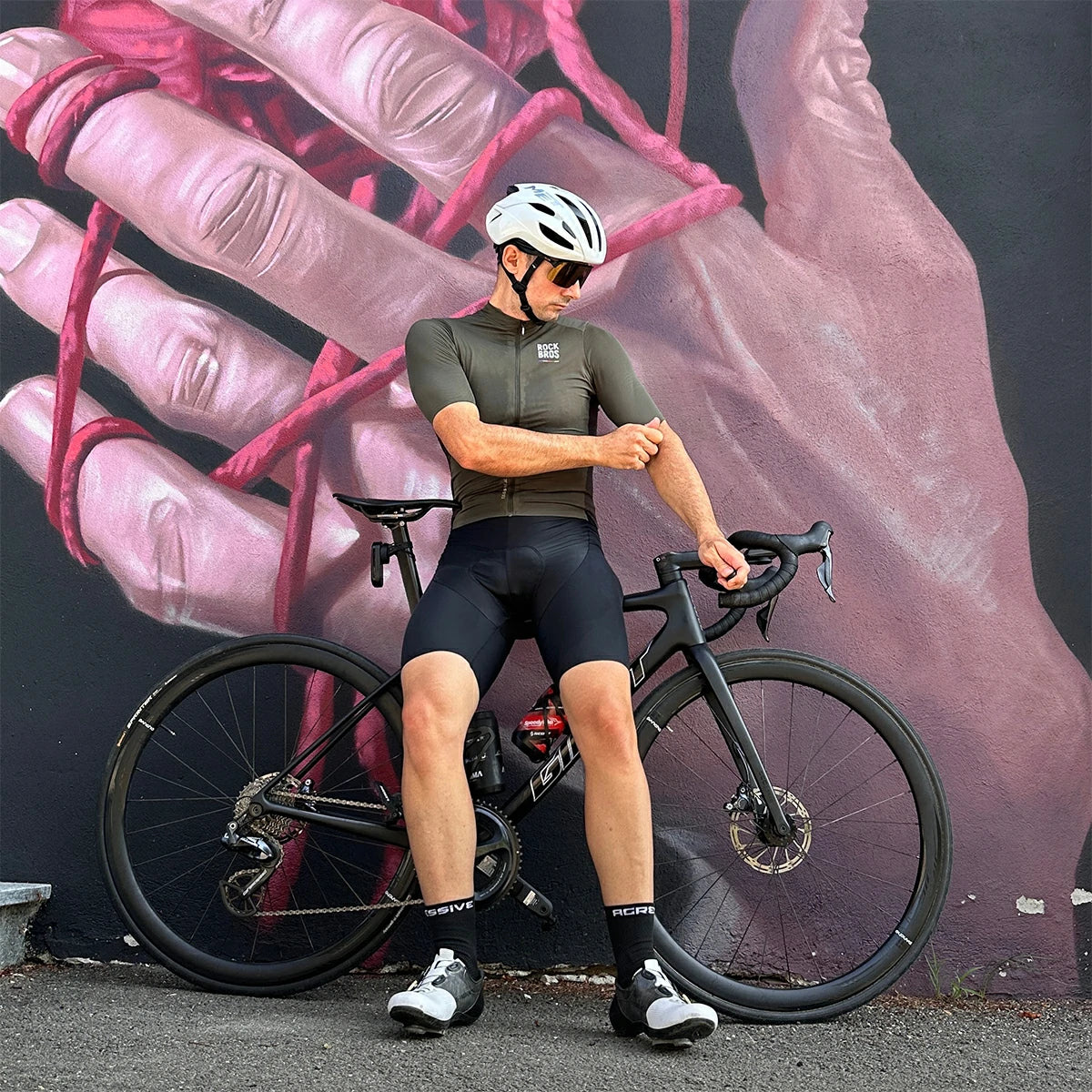


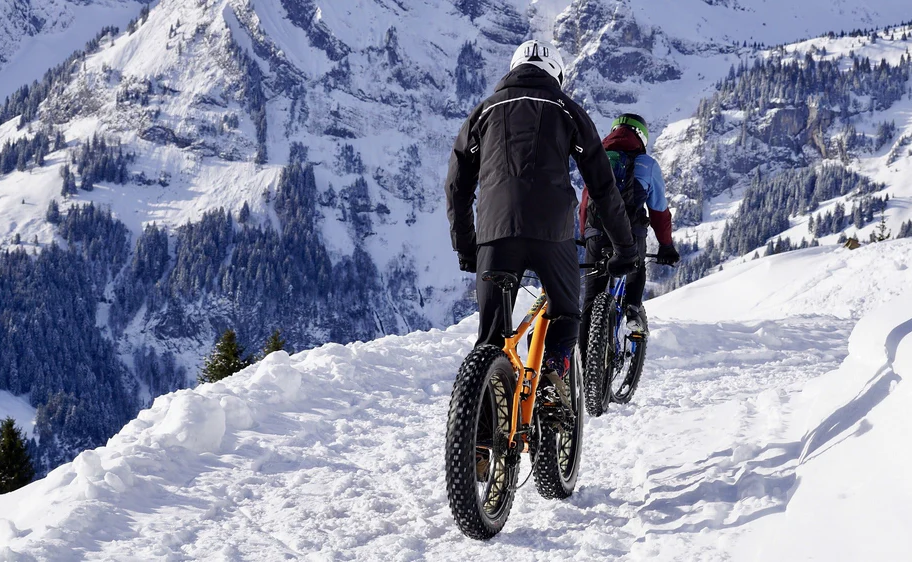
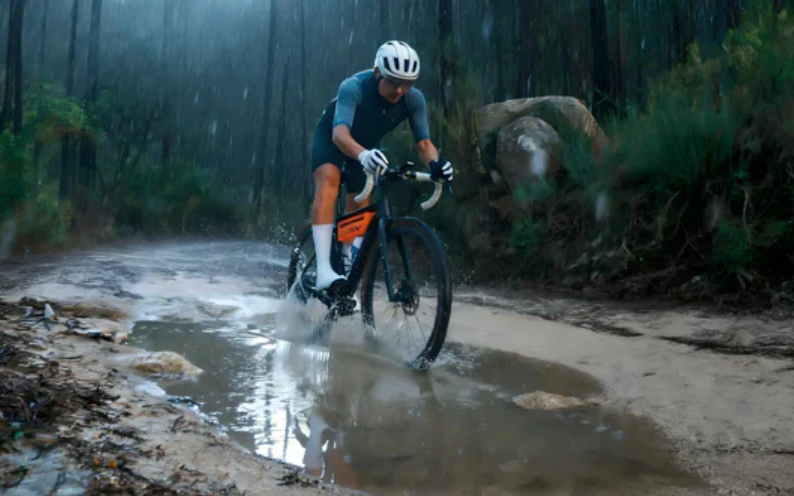
Late winter and early spring bring a familiar challenge for riders in wet regions like Seattle and Portland: rain, damp roads, and constant spray. Avoiding riding altogether isn’t realistic—especially for commuters or anyone who relies on their bike daily. But riding without proper protection quickly leads to a frustrating outcome. A single trip on wet pavement can leave a muddy stripe up your back, soaked shoes, and road grime splashed across your backpack and drivetrain.
This is exactly where bike fenders (or mudguards) make a measurable difference. By interrupting the spray pattern created by rotating wheels, they act as a barrier between the road and the rider. Instead of absorbing water and grit, your clothing, gear, and bike stay significantly cleaner. For daily commuters, city cyclists, and riders who value a clean setup, fenders are one of the most practical upgrades you can make.
ROCKBROS offers a range of high-value, durable, and easy-to-install bike fenders designed for real-world riding conditions. From full-coverage commuter setups to quick-release mudguards for MTB and gravel, these designs focus on effective spray control, long-term durability, and compatibility with modern bikes.
Why Spring Rain Riding Needs Bike Fenders
When your wheels rotate on wet roads, they don’t just roll—they actively throw water, dirt, and grit outward in a fan-shaped spray. The front wheel directs water forward and upward onto your shoes and lower legs, while the rear wheel sends a continuous stream directly toward your back, saddle, and any gear mounted behind you.
- Wet trousers and shoes, forcing outfit changes and extra laundry for commuters
- Grit and water constantly hitting drivetrain components, accelerating wear
- Tail lights, bags, and seatposts quickly covered in mud, reducing visibility
With properly fitted bike fenders, this spray is intercepted before it reaches you. Riders consistently report staying noticeably drier—especially on the back and feet—and spending far less time cleaning both their bike and gear. Instead of full washes after every wet ride, a quick wipe-down often becomes enough.
ROCKBROS fenders are specifically designed to manage these spray patterns across city, gravel, and MTB environments, offering both full-coverage and quick-install options depending on your riding style.
Comparing Fender Types, Materials & Protection Levels
Full-Coverage Fenders vs Mini / Clip-On Mudguards
Full-coverage bike fenders extend along a large portion of the wheel arc and are typically supported by metal stays. They are designed for riders who regularly ride in wet conditions, such as commuters and touring cyclists.
- Pros: maximum protection for back, feet, and panniers; stable; long-term solution
- Cons: more complex installation; requires mounting points
ROCKBROS offers full-length plastic fenders reinforced with metal stays, balancing coverage, durability, and affordability for city and hybrid bikes.
Mini or clip-on mudguards are shorter and lighter, focusing on key spray zones rather than full coverage.
- Pros: fast installation; no frame mounts required; removable
- Cons: less protection, especially for shoes and lower body
ROCKBROS quick-release mudguards are designed for MTB and gravel riders who need flexible, tool-free installation in changing conditions.

Plastic vs Aluminum vs Carbon Fiber
Plastic or polycarbonate fenders are the most practical choice for most riders. They are lightweight, resistant to corrosion, and flexible enough to absorb minor impacts without permanent deformation.
ROCKBROS primarily uses engineered plastics to deliver durability, low weight, and rust-free performance.
Aluminum or metal-reinforced fenders provide additional stiffness and a more premium appearance but require proper coatings to prevent corrosion and can bend under strong impact.
Carbon fiber fenders are lightweight and visually appealing but are expensive and generally unnecessary for everyday commuting or mixed-use riding.
Protection Against Water, Mud and Spray
Bike fenders don’t replace waterproof clothing, but they significantly reduce the volume and direction of water spray from your wheels.
Rear fenders that extend close to the axle offer the best protection for your back and bags, while longer front fenders help reduce splash onto shoes and lower legs.
ROCKBROS designs often include extended tails and wider profiles to increase coverage and create a more effective “dry zone,” especially for gravel and MTB tires.
How to Choose the Right ROCKBROS Bike Fenders
Commuting & City Riding Priorities
City riding involves frequent stops, tight storage spaces, and variable weather conditions. Riders benefit from fenders that are lightweight, easy to install, and visually clean.
- Choose slim full-coverage fenders for 700C or 27.5" wheels
- Look for adjustable stays and compatibility with disc brakes
For reliable everyday protection, consider exploring the ROCKBROS bike fender collection for commuter-friendly full-coverage options.

MTB / Gravel / Mixed-Use Priorities
Off-road and mixed-surface riding introduces additional challenges like rocks, mud buildup, and debris impact.
- Choose wider mudguards compatible with larger tires
- Prioritize durable plastic and flexible mounting systems
- Consider front and rear coverage combinations
ROCKBROS quick-release mudguards are designed for these environments, offering adjustable angles and stable attachment without requiring frame eyelets.
Wheel Size Compatibility & Mounting Options
Bike fenders must match both your wheel size and tire width. Common sizes include 26", 27.5", 29", and 700C.
- Bolt-on systems offer maximum stability
- Clamp-on and quick-release designs provide flexibility
- Strap-on options allow tool-free installation
Many ROCKBROS fenders include multiple adapters and adjustable hardware to simplify installation across different bike types.
Installing and Using ROCKBROS Fenders Day to Day
Proper installation ensures that fenders perform effectively without rubbing or noise.
- Test-fit the fender to match wheel curvature
- Loosely attach mounting brackets
- Center the fender with even clearance
- Tighten all hardware securely
- Test ride and recheck alignment
After wet rides, wipe off accumulated dirt and check mounting points periodically. ROCKBROS plastic fenders are easy to clean and maintain, making them practical for daily use.
Real Rainy-Ride Experiences with ROCKBROS Mudguards
Commuters in wet cities often report a dramatic reduction in back spray and cleaning time after installing full-coverage fenders. Instead of arriving soaked or dirty, they stay presentable even after rainy rides.
Gravel and MTB riders using quick-release mudguards benefit from reduced mud buildup on gear and improved comfort during shoulder-season riding.
For riders focused on cleanliness, fenders transform maintenance routines—turning full washes into quick wipe-downs.
Conclusion & Final Recommendations
- Bike fenders significantly improve comfort and reduce cleaning in wet conditions
- Full-coverage designs suit commuters; clip-on options suit mixed-use riding
- Plastic and metal-reinforced designs offer the best balance
For a cleaner and more comfortable ride in all weather, explore the full range of ROCKBROS bike fenders and mudguards and choose a setup that fits your riding style.

FAQ
Do I really need bike fenders for spring rides?
Yes. Even slightly wet roads can create significant spray, quickly soaking clothes and gear.
Are full-coverage fenders better than clip-on mudguards?
Full-coverage fenders offer better protection, while clip-on options provide flexibility and easier installation.
What material is best?
Engineered plastic offers the best balance of weight, durability, and corrosion resistance.
Are quick-release mudguards stable?
Yes, when properly installed, they are stable enough for gravel and mixed terrain.
What brand should I choose?
ROCKBROS offers practical, durable, and high-value options suitable for commuting, gravel, and MTB use.

Leave a comment
This site is protected by hCaptcha and the hCaptcha Privacy Policy and Terms of Service apply.