
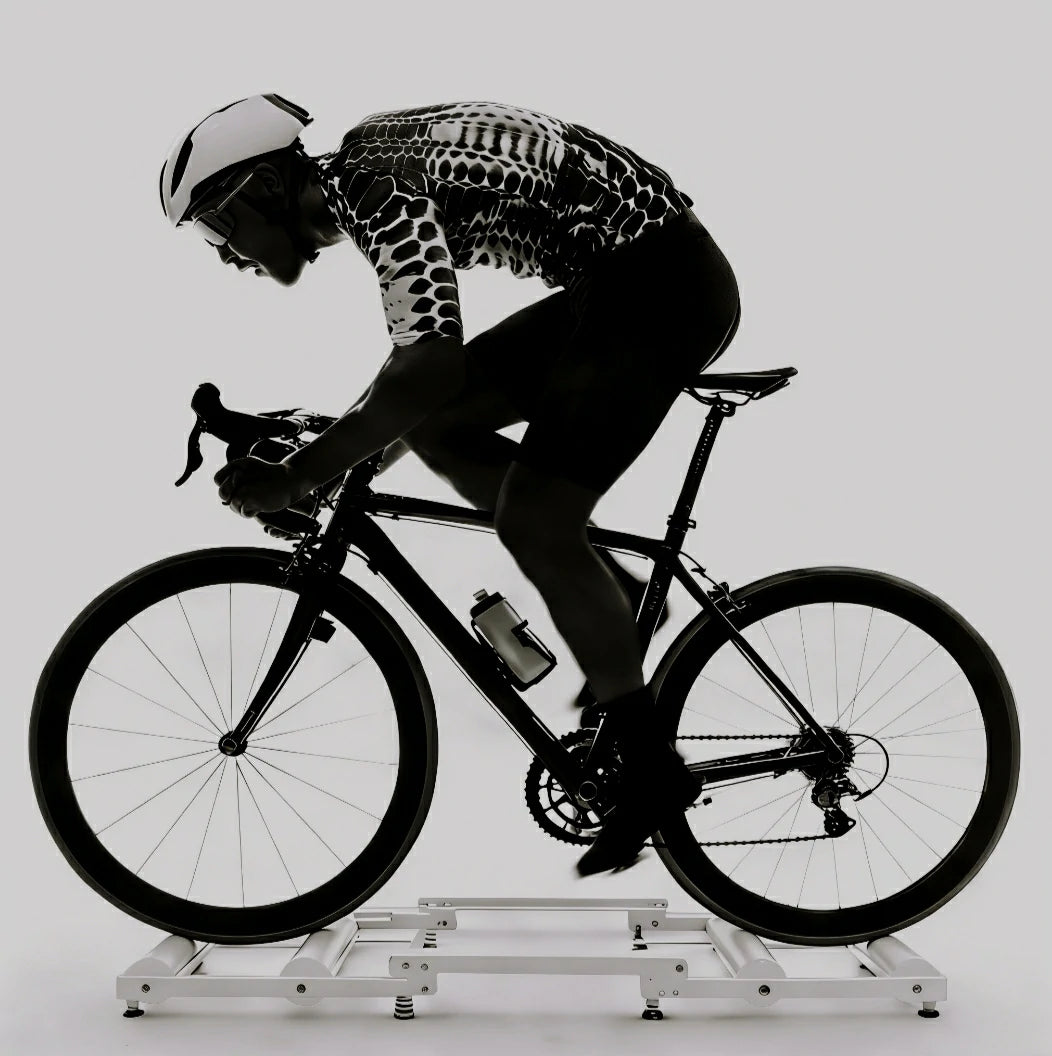

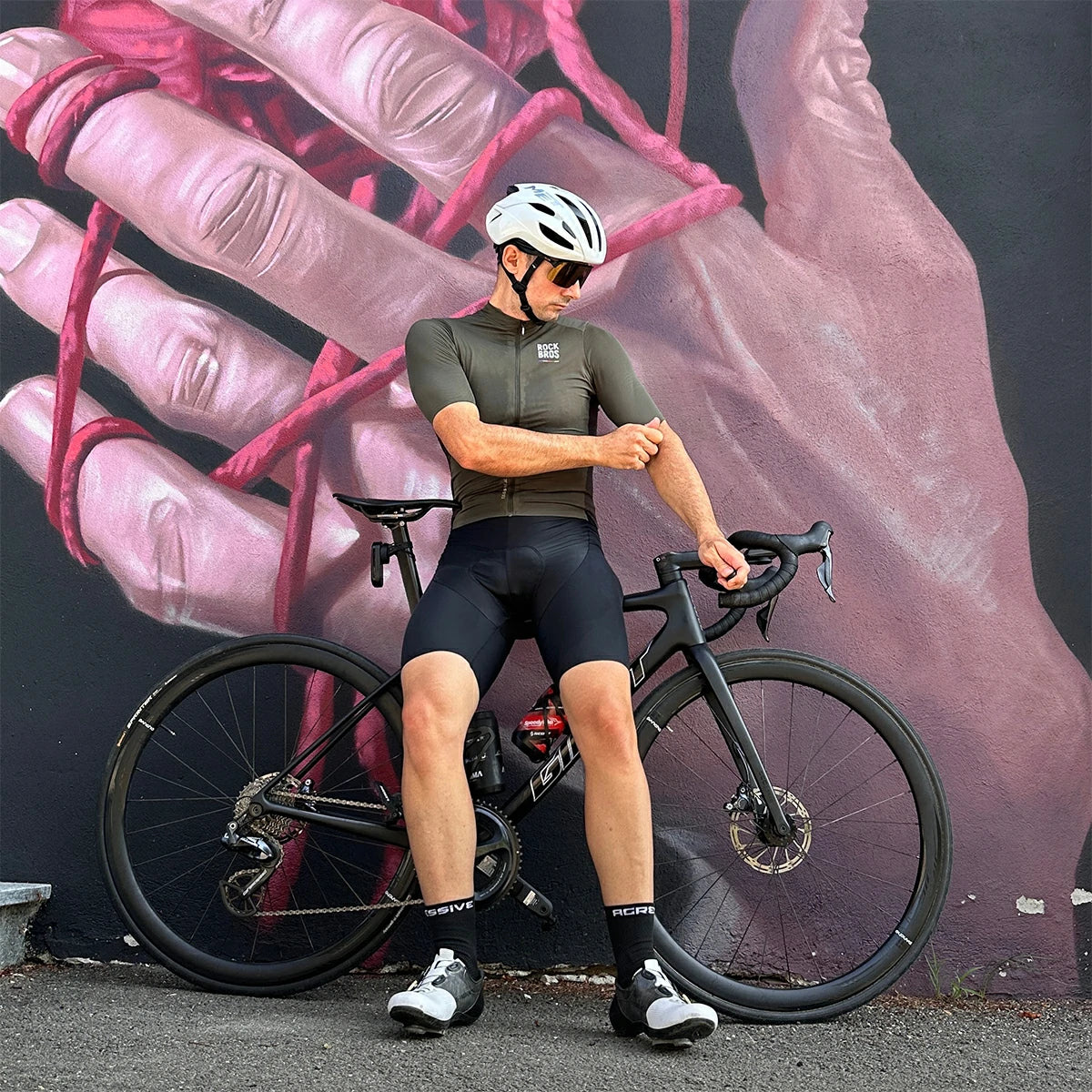


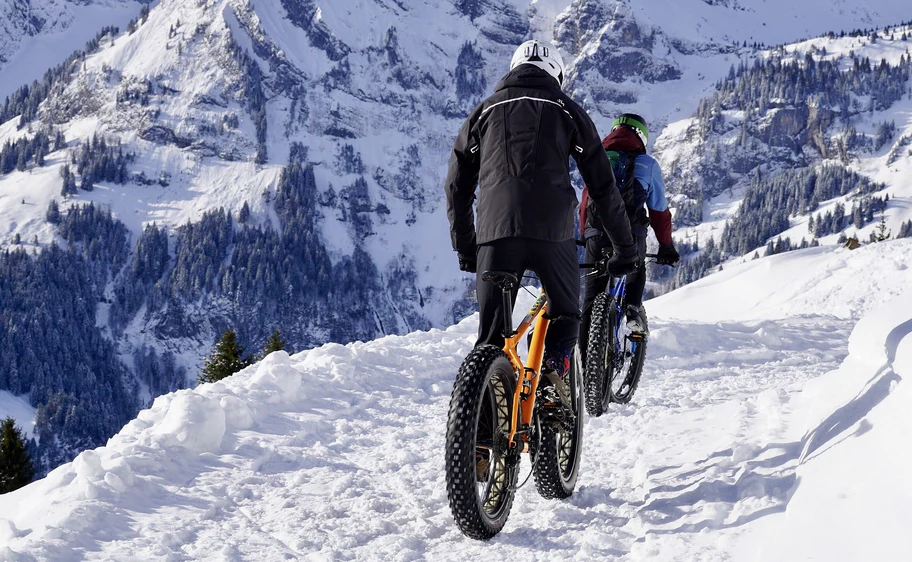
Winter bike commuting has four classic friction points: cold air that drains your energy, wet roads that soak the places you can’t ignore (hands, feet, face), short daylight that changes your risk profile, and the daily reality of carrying work essentials without feeling overloaded. The good news is that winter commuting is absolutely doable when you treat it as a system—not a test of willpower.
This guide is built for real U.S. commuting: early mornings, unpredictable forecasts, and the practical need to arrive comfortable enough to get through the rest of your day. You’ll learn how to build warmth without overheating, stay dry where it matters most, and stay visible when the light disappears sooner than you’d like. There’s also a simple checklist at the end you can save and reuse.
Jump to: Warmth & Layering | Staying Dry | Visibility | Carrying Efficiency | Checklist
Warmth & Layering: Build a Commuter-Ready Winter Kit
Most “winter misery” comes from the wrong layering logic: either you stack too much and sweat, or you dress too light and never warm up. A commuter-ready kit isn’t about bulk—it’s about controlled comfort.
Start with a temperature-appropriate riding top
For many U.S. regions, winter commuting isn’t always arctic—it’s frequently that awkward range where you’re cool in the shade, warm in the sun, and constantly shifting effort levels. This is where a thermal jersey with a defined comfort range makes your layering decisions easier.
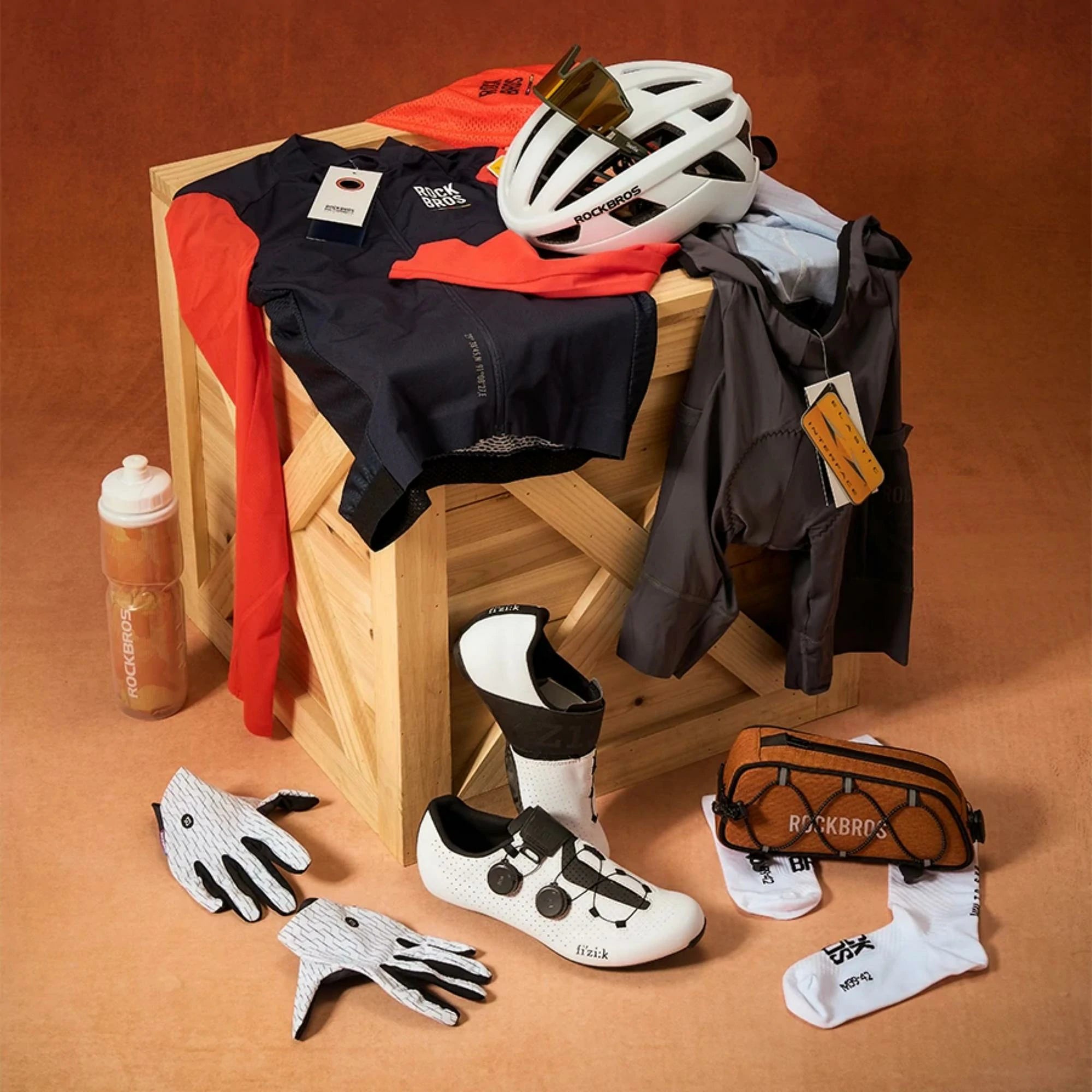
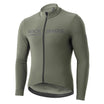
If your rides often sit around mild-to-cool conditions, a piece like the Winter Thermal Cycling Jersey (59°F–77°F) can act as the foundation of your commuting system—comfortable on its own for brisk mornings and easy to layer under a wind-blocking shell when conditions change.

Add wind-blocking warmth when the real cold arrives
Wind is what turns “chilly” into “brutal.” If you’re riding through steady headwinds or exposed streets, a wind-focused outer layer becomes your highest-leverage upgrade.
This is exactly where graphene-based winter layers can shine in commuter use: the goal is not just warmth, but more stable warmth—reducing the swing between overheating during effort and freezing during coasting or stoplights. If you’re building a dependable cold-weather system, your Graphene Winter Cycling top layer is a natural anchor piece for true winter days.

Handle the “extremities problem” before it ruins your consistency
Commuters don’t quit because their torso is slightly cold—they quit because their fingers stop working and their face feels like it’s being sandblasted.
A cold-weather kit becomes dramatically easier to stick with when your hands and head are protected with purpose-built pieces:
Hands (control + warmth): If you’re regularly riding in true winter air—especially in the 5–15°C range—gloves are a core item because they directly affect braking confidence and comfort minute by minute. The Graphene Winter Cycling Gloves (5–15°C) are a strong fit for cold commutes where you still want dexterity and reliable grip.
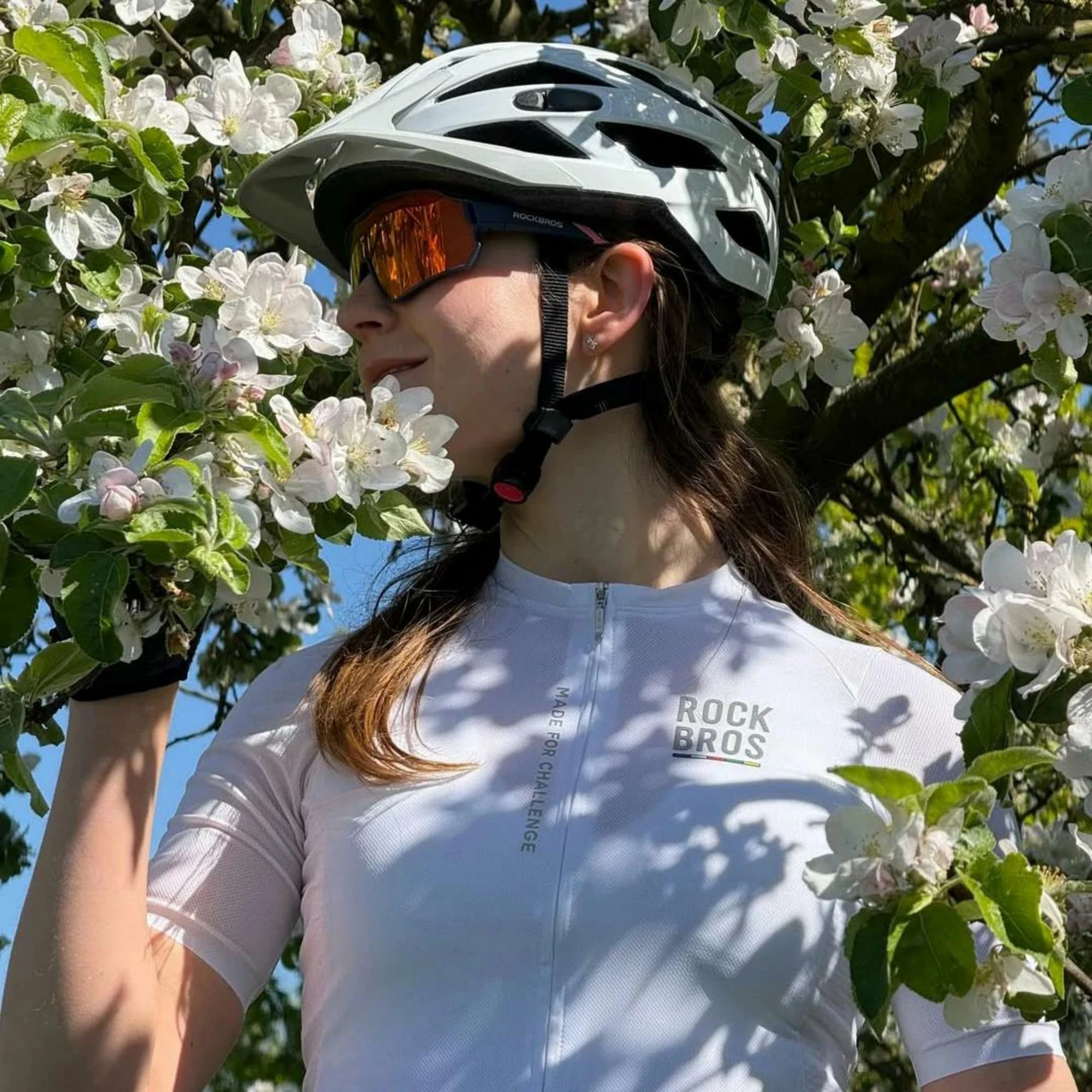
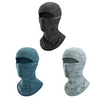
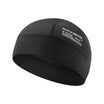
Head/ears under a helmet: For low-fuss warmth that layers cleanly under your helmet, the Winter Fleece Balaclava Helmet Liner (15°F–50°F) is commuter-friendly—packable, adjustable, and easy to manage if the day warms up.
If your route includes harsher windchill or you prefer fuller face/neck coverage, a more protective option like the Cold-Weather Windproof Thermal Winter Balaclava can complete the system for the coldest days.
Staying Dry: Waterproofing Where It Matters Most
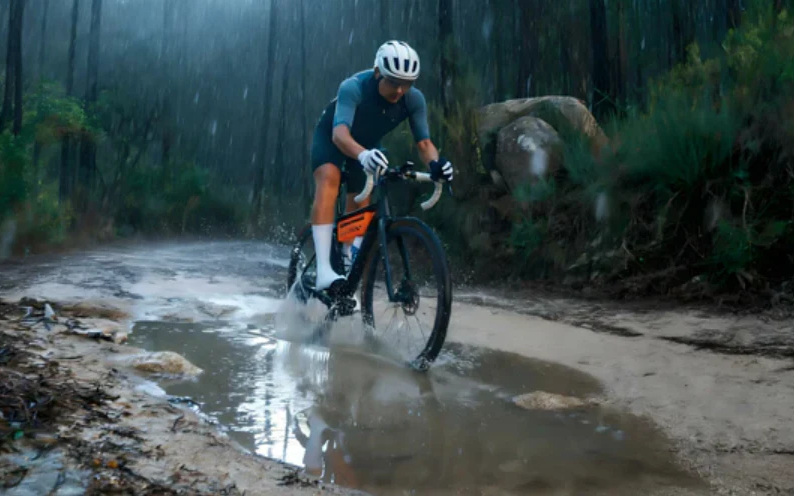
Winter commuting doesn’t need “perfect waterproof everything.” What it needs is protection at the points that cause discomfort fast: hands, feet, and whatever you’re carrying.
Don’t underestimate wet shoes
Even in light rain, wet shoes make the ride feel twice as long. A reliable set of shoe covers reduces wind penetration and blocks spray that would otherwise soak socks and chill your feet for hours afterward.
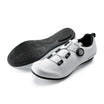
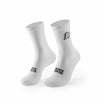
Cycling Shoe Covers are a straightforward upgrade for wet-month commuting. For extra warmth control on colder days, layering helps: Bike Socks and Warm Gaiters make it easier to fine-tune comfort without adding bulky layers.
Be Seen, Be Safe: Visibility in Dark Winter Conditions
In winter, your commute often happens during the dimmest hours of the day. Your job isn’t only to see—it’s to be seen early and clearly, from a distance.
A strong front light should support two realities: you need enough output to spot hazards (wet leaves, potholes, reflective glare), and you need enough presence that drivers register you sooner. For darker routes or faster traffic, higher output is a practical advantage.
For maximum confidence on darker routes: 1600LM Powerful Bike Headlight (4000mAh, IPX6)
For streamlined daily commuting with remote convenience: M6 Bike Light (Remote + Digital Display, 1000LM, IPX6)

Carrying Efficiency: Make the Commute Feel Effortless
Carrying is where winter gets annoying: extra layers, heavier gloves, maybe a thermos, plus work items. If your pockets are overloaded, your ride feels harder than it needs to be.
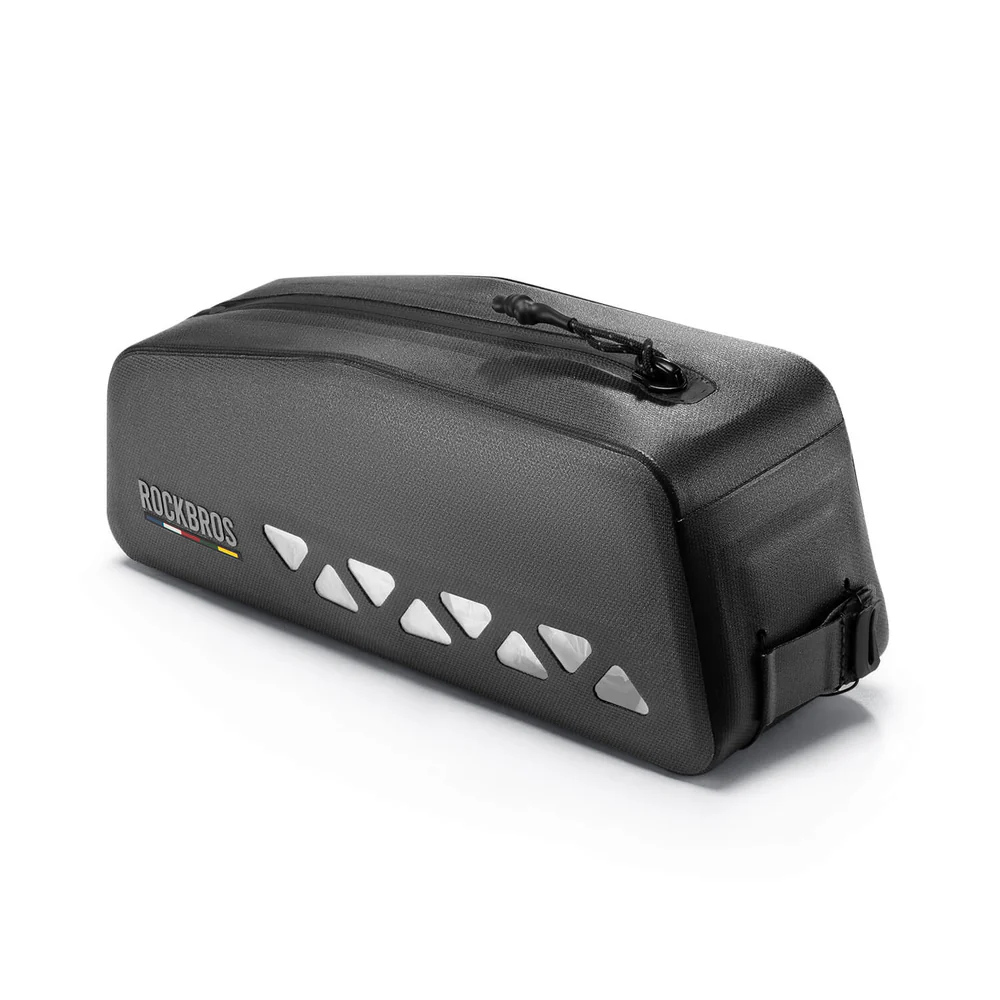
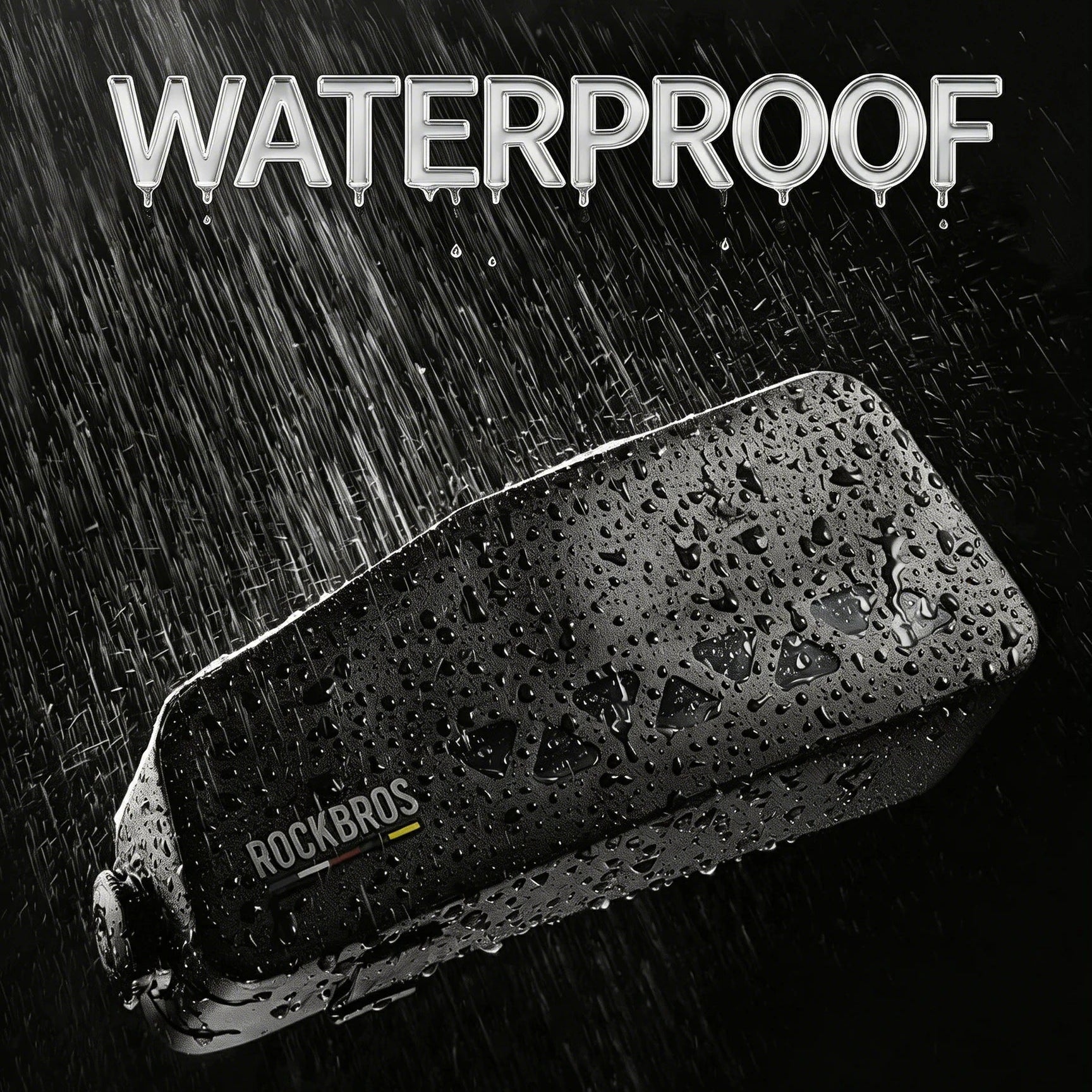
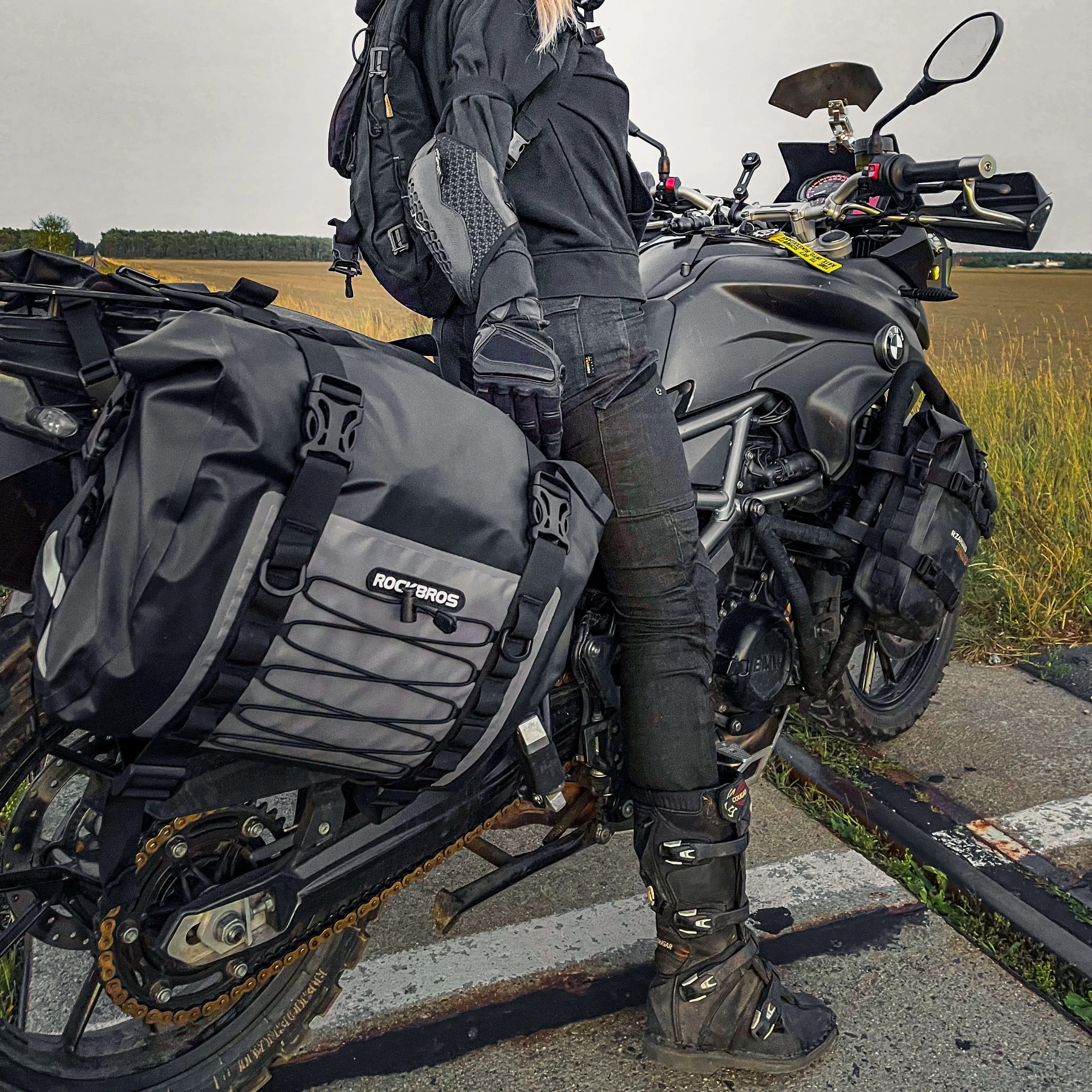
A simple approach that works well for many commuters is splitting storage into two layers: “quick-access” items on the bike (keys, cards, a small layer) and “work payload” carried more securely (laptop, clothes, lunch). Even if you don’t change your bag setup immediately, defining what must stay dry (electronics, spare clothes) helps you choose the right protection for your routine.
Winter Commuter Checklist
Warmth essentials: Winter Thermal Cycling Jersey (59°F–77°F), Graphene Winter Cycling, Graphene Winter Cycling Gloves (5–15°C), Winter Fleece Balaclava Helmet Liner (15°F–50°F), plus optional full-coverage protection like the Cold-Weather Windproof Thermal Winter Balaclava.
Waterproofing essentials: Shoe covers for spray and wind, plus warm socks (and gaiters when needed).
Visibility essentials: choose a front light that matches your route—go brighter for darker commutes: 1600LM Headlight or keep it streamlined with: M6 1000LM.
Final Thought: Winter Commuting Is a System, Not a Sufferfest
When your kit is dialed, winter commuting stops feeling like a battle and starts feeling like a routine you can rely on. Choose warmth that doesn’t trap sweat, protect your touchpoints from wet and wind, and treat visibility like a non-negotiable. Do that, and you’ll ride more days than you expect—through the wet months and into spring with better fitness, stronger habits, and fewer excuses.

Leave a comment
This site is protected by hCaptcha and the hCaptcha Privacy Policy and Terms of Service apply.