

















Jump to
- What Are Smart Trainers and Wheel-on Trainers
- Cost Considerations
- How Noise Levels Compare
- Maintenance and Upkeep
- Ride Feel and Performance Differences
- Installation: Ease and Tools Required
- Choosing Based on Budget
- Choosing Based on Living Environment
- Recommended Trainers & Accessory Combos
- Common Questions About Trainer Selection
- Final Thoughts and Next Steps
What Are Smart Trainers and Wheel-on Trainers
Indoor cycling trainers have evolved rapidly, and for a cyclist starting or upgrading their setup, understanding the landscape is crucial.
Smart trainers, often direct-drive units, replace your rear wheel with a trainer mechanism that directly interfaces with your drivetrain. These trainers typically include built-in resistance control, automatic adjustments tied to training apps, and more precise power measurement.
Wheel-on trainers, by contrast, clamp your bike’s rear wheel in place and apply resistance through a roller that contacts the tire. They are generally simpler, lighter, and easier to transport. Because they use your existing wheel and tire, they can be a cost-effective way to bring outdoor riding indoors.
This comparison evaluates both categories through the lenses of cost, noise, maintenance, ride feel, and installation.
Cost Considerations
One of the first decision points for most cyclists is budget. Price differences between direct-drive smart trainers and wheel-on trainers can be significant.
Smart trainers frequently require a larger initial investment. Premium options from established brands can enter the market well above mid-range levels. Alongside the trainer itself, you might budget for accessories such as a dedicated training tire, riser blocks, or dedicated power meter calibration tools.
Wheel-on trainers generally offer a lower entry point. Because they leverage your existing wheel, the mechanical complexity is reduced. This often translates into lower upfront cost.
It is important to consider total cost of ownership as well. Smart trainers may require specific cassettes or upgrades to maximize performance, while wheel-on trainers might necessitate replacing rear tires sooner due to wear.
In real terms, you should map out your budget and expected usage. If your riding plan includes frequent indoor sessions or structured training, allocating more for a direct-drive smart trainer can pay dividends in durability and performance tracking. For casual indoor riding or budget-conscious setups, a wheel-on trainer or even a roller can offer meaningful engagement with less capital.
How Noise Levels Compare
Indoor training often takes place in spaces shared with others — apartments, garages, living rooms. Noise is not an afterthought. It shapes when and how you ride.
Smart trainers, particularly direct-drive units, tend to generate less mechanical noise compared to wheel-on models. The absence of wheel-on friction and the precision engineering of the drivetrain interface reduce rattling and uneven vibrations. Because your bike’s tire is removed in a direct-drive setup, tire squeal and irregular contact noise — common with wheel-on setups — are eliminated.
Wheel-on trainers vary widely in noise depending on roller design, tire quality, and floor surface. Cyclists often invest in trainer mats and specialized trainer tires to reduce the high-pitched sound that comes from tire resistance on the roller.
Noise considerations should align with your living environment. If you share walls or ceilings with neighbors, opting for a quieter smart trainer is usually worth the premium. In a dedicated garage or outdoor space, the difference might be less impactful.
Additionally, rollers — which are another variation of wheel-on concept — provide a different noise profile, often smoother but more dependent on rider balance and tire contact.

Maintenance and Upkeep
Every trainer type has maintenance needs, but they differ in frequency and complexity.
Smart trainers — especially direct-drive units — typically require less routine maintenance because there is no direct tire contact. Cleaning and periodic software updates (when supported) keep resistance and connectivity features sharp. However, because they have more moving parts internally, any major repairs might require professional support from manufacturer service centers.
Wheel-on trainers place consistent pressure on bike tires. Over time, this accelerates tire wear. Even with trainer tires, cyclists should plan for periodic tire replacement and checking roller surfaces for wear and debris. Calibrating resistance units and tightening clamps may also be part of regular care.
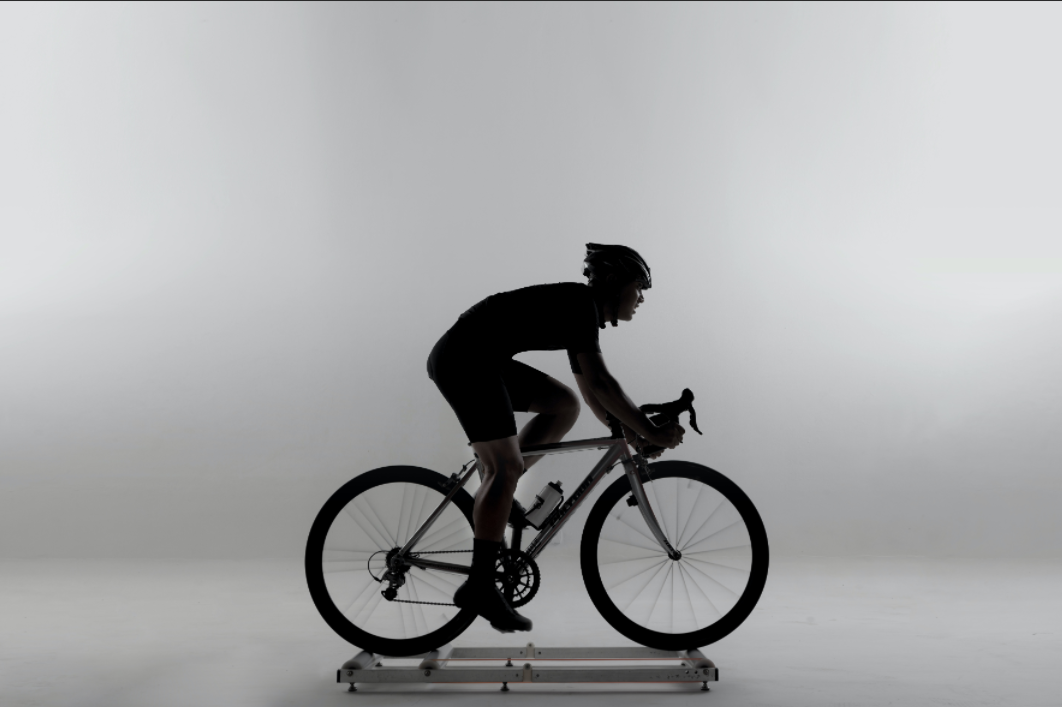
Roller trainers require riders to maintain their own balance and keep roller bearings well-lubricated. While their simple mechanics reduce points of failure, riders must pay attention to roller alignment and frame stability.
Practically speaking, if your priority is minimal hands-on maintenance outside of riding, a direct-drive smart trainer is advantageous. If you don’t mind occasional upkeep and prefer simplicity, wheel-on setups have manageable maintenance profiles.
Ride Feel and Performance Differences
Ride feel is where many cyclists feel the difference most acutely.
Smart trainers are designed to simulate outdoor riding with high fidelity. Because the rear wheel is removed, power transfer becomes direct and resistance ramps smoothly. When paired with training platforms, the experience can closely mimic real climbs, sprints, and varied road conditions.
Wheel-on trainers, while competent, can suffer from less consistent feeling. The tire-to-roller interface may introduce slight slip, inconsistent resistance curves, and an artificial sensation under load changes. This is not necessarily a deterrent — many riders enjoy wheel-on trainers for steady, non-competitive sessions.
Rollers are closer to the outdoor “free ride” feel, requiring balance from the rider. This enhances cadence control and technique, but it demands focus and skill.
Ultimately, match ride feel expectations with your training goals. Enthusiasts training for events or performance gains often prefer smart trainers, while leisure riders or those seeking basic indoor fitness might prioritize the engaging simplicity of wheel-on or roller options.
Installation: Ease and Tools Required
Installation and setup difficulty can influence how often you end up using your trainer.
Smart trainers typically take longer to set up because they require removing your rear wheel and installing a compatible cassette. There might be calibration steps involving software or firmware, especially for units that interact with training apps.
Wheel-on trainers are generally easier to install — you secure your bike in place and begin pedaling. There may be adjustments for roller tension, but no wheel removal is needed. This makes them appealing for riders who want minimal setup before riding.
Rollers require the most active rider engagement — you must mount and balance without external support. While this is part of the skill appeal, it can deter riders looking for simple plug-and-play experiences.
Take into account your ability to perform basic bike maintenance. If you’re comfortable with cassettes and wheel swaps, the smart trainer setup becomes less intimidating. If not, wheel-on trainers and rollers provide accessible entry points.
Choosing Based on Budget
Your budget is a practical anchor for selection.
If your budget comfortably supports a mid-to-high-tier smart trainer, this option offers value in long-term performance, lower noise, and advanced connectivity. Many direct-drive trainers today offer Bluetooth or ANT+ connectivity, enabling seamless integration with training apps for structured workouts.
If your budget is modest, wheel-on trainers deliver indoor cycling at a fraction of the cost. Pairing them with accessories like dedicated trainer tires and mats still keeps total spend lower than most smart trainers.
For those with limited budget but a desire for dynamic indoor riding, a roller trainer — such as a compact and adjustable model — offers an engaging platform that improves balance and cadence control. An example is the Rockbros adjustable bike rollers trainer stand, which combines foldable convenience and resistance design for versatile exercise sessions. You can explore this roller option in detail at the Rockbros bike rollers trainer stand page.

Budget decisions should also factor in what you value most — if quiet operation and performance data matter more than upfront cost, prioritizing a smart trainer might be the better investment.
Choosing Based on Living Environment
Different living arrangements call for different trade-offs.
Apartment or Shared Walls
Noise management becomes paramount. Direct-drive smart trainers are quieter and minimize vibration. Paired with a good trainer mat, they are often the best choice for apartments.
Garage or Detached Space
You have more flexibility. Wheel-on trainers or rollers can perform well here, and setup noise is less likely to impact others.
Multi-Use Rooms
If your indoor trainer doubles as space for other activities, ease of installation and removal can be deciding factors. Wheel-on trainers or foldable roller stands become appealing because they can be stowed with minimal effort.
Understanding your environment’s acoustic and spatial constraints ensures a more satisfying indoor riding experience.
Recommended Trainers & Accessory Combos
Below are logical trainer setups mapped to rider profiles and practical contexts. Each pathway is followed by an actionable call to explore suitable products.
Performance-Focused Cyclists (Smart Trainer Route)
- Choose a mid-to-high-tier smart direct-drive trainer compatible with structured training platforms.
- Add a trainer-specific cassette (if required), mat, and quick-release skewer adapters.
- Consider a dedicated fan or cooling solution for longer indoor sessions.
Start here with smart trainer suggestions for precision and immersive training experiences.
Budget-Friendly Indoor Training (Wheel-On & Roller Combos)
- A reliable wheel-on trainer paired with a set of trainer tires and a floor mat reduces noise and prolongs tire life.
- Alternatively, a roller trainer like the Rockbros adjustable bike rollers trainer stand delivers versatile indoor workouts that improve balance, pedal stroke, and cadence.
You can examine this option at the Rockbros bike rollers trainer stand page.
Common Questions About Trainer Selection
Can I use the same trainer for all training types?
Yes, but match features to your planned use. If you anticipate structured intervals or app integration, smart trainers shine. For casual sessions, wheel-on or rollers suffice.
Will a roller trainer help my balance?
Absolutely. Rollers require active balance, which improves core stability and pedaling smoothness over time.
Do wheel-on trainers damage tires?
Under heavy use, yes. Dedicated trainer tires or regular tire inspection mitigates this concern.
For more guidance on specific trainer setups and how they align with your cycling goals, explore suggested products near the conclusion of this guide.

Final Thoughts and Next Steps
Choosing between smart direct-drive trainers and wheel-on trainers depends on your priorities. Smart trainers reward performance-oriented riders with refined ride feel and connectivity, while wheel-on and roller setups offer accessible, budget-friendly indoor cycling.
Evaluate your budget, living environment, and training goals, then commit to a setup that motivates consistent riding.
When you’re ready to equip your indoor space with a versatile and adjustable roller option, consider the Rockbros adjustable bike rollers trainer stand as a practical choice that blends compact design with effective resistance — view details at the Rockbros bike rollers trainer stand page.
Ride confidently, train smart, and enjoy the convenience of indoor cycling that fits your life.





Leave a comment
This site is protected by hCaptcha and the hCaptcha Privacy Policy and Terms of Service apply.