
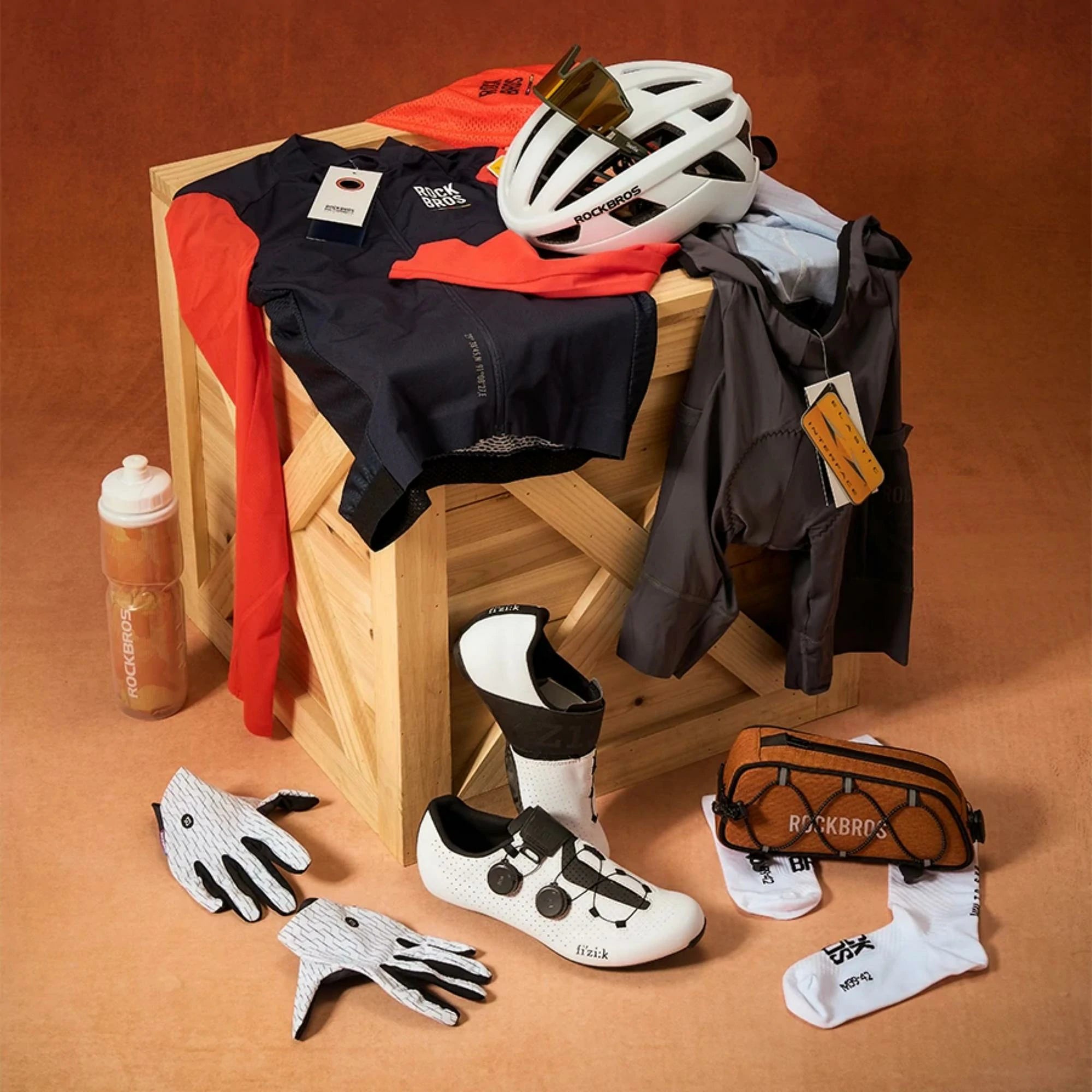
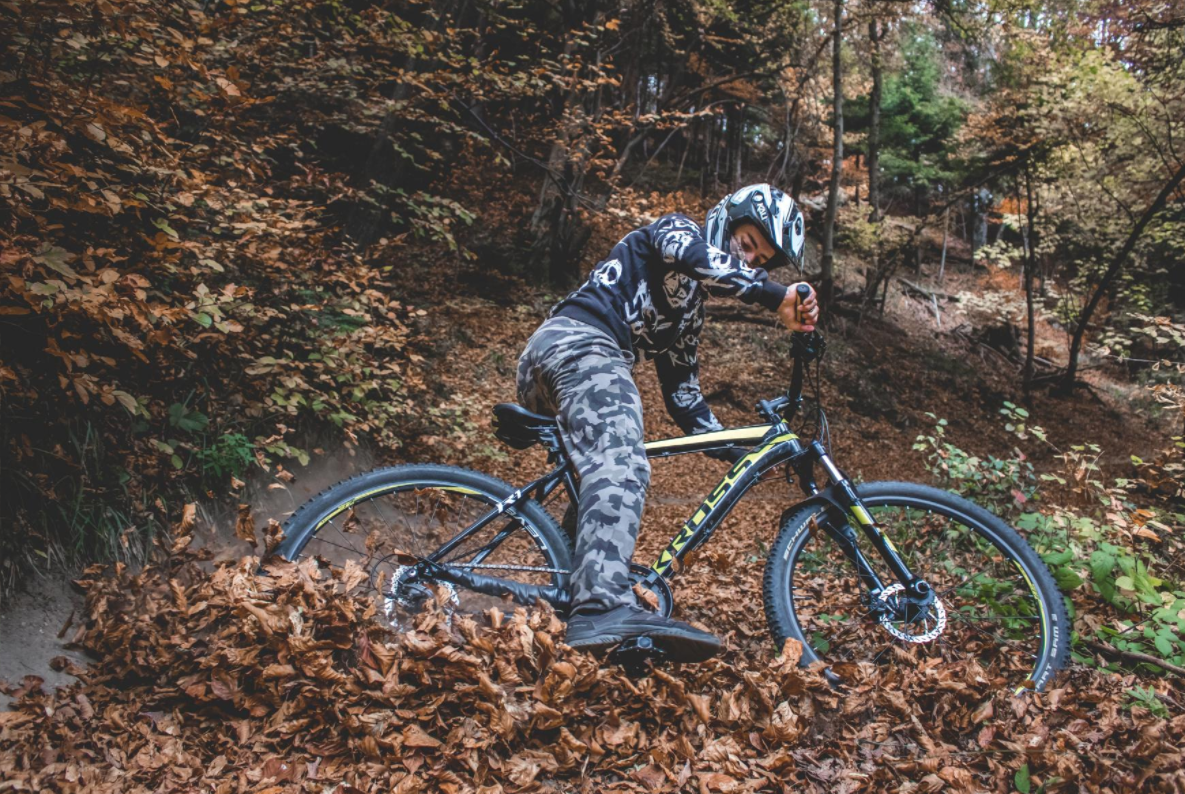
Introduction:Why a Good Bike Helmet Matters More Than You Think
When it comes to cycling safety, few pieces of gear are as important—or as misunderstood—as the bicycle helmet. Every year, hundreds of thousands of cyclists around the world are treated for head and brain injuries after crashes, and many of these injuries could have been reduced or prevented with a properly fitted cycling helmet. Research consistently shows that wearing a bike helmet can cut the risk of serious head injury by around half and significantly reduce the likelihood of fatal outcomes in a crash. For children and teenagers, who have less developed risk awareness and coordination, the protective effect of helmets is even more critical.
In the United States and many other markets, bicycle helmets are not just “plastic shells.” Behind each certified helmet is a set of strict safety standards. For example, the U.S. CPSC (Consumer Product Safety Commission) bicycle helmet standard requires helmets to pass a series of impact, strap strength, and coverage tests before they can be legally sold as bike helmets. In Europe, EN1078 lays out similar requirements for impact absorption, strap retention, and field of vision. These standards are designed to make sure that when a fall or collision does happen, the helmet can absorb and disperse a meaningful portion of the impact forces, rather than simply cracking on contact.
For adult riders, a helmet is the last line of defense in busy urban traffic, on fast road descents, or during technical mountain bike rides. For parents, a reliable kids’ helmet is often the difference between a scary story and a life‑changing injury when a child tips over in a driveway, misjudges a curb, or crashes at the skate park. A well‑chosen helmet will not only meet safety standards—it will also fit comfortably, stay stable on the head, and be something the rider is actually willing to wear every single time.

This is where ROCKBROS comes in. As a brand born from real‑world riding and adventure, ROCKBROS focuses on delivering high‑value, safety‑oriented cycling gear for everyday riders, mountain bikers, and families. From lightweight adult road and MTB helmets to full‑face youth helmets for kids who ride hard, ROCKBROS aims to combine certified protection, thoughtful design, and accessible pricing on its official US store, rockbrosbike.us.
In this in‑depth guide, we will walk you through everything you need to know about bike helmet safety and selection—for both adults and children. We will start by answering the most important question: “Are bike helmets really safe?” Then we will break down helmet materials and safety certifications, explain how to choose the right ROCKBROS helmet for different riding styles and age groups, show you how to wear and use a helmet correctly, and share real‑world user stories. Finally, we will give you a clear, practical recommendation list so you can move from “research mode” to confidently choosing and ordering the right helmets for you and your family.
Are Bike Helmets Really Safe? What Parents and Riders Need to Know
Before talking about styles, colors, and price, most people—especially parents—want to know one thing: do bike helmets actually work? The short answer is yes, when they are properly certified, correctly fitted, and worn every ride, modern cycling helmets significantly reduce the risk and severity of head injuries.
How Head Injuries Happen in Real Crashes
In real‑world cycling accidents, riders rarely fall in a perfectly controlled way. Common scenarios include:
- A car turning or changing lanes unexpectedly and knocking a commuter off balance.
- A driver opening a door into a bike lane (“dooring”), throwing the cyclist onto the pavement.
- A front wheel washing out on gravel, wet paint, or a pothole at speed.
- A mountain biker losing control on a descent and tumbling into rocks, roots, or trees.
- A child misjudging a curb, catching a pedal, or clipping a wheel at low speed but landing head‑first.
In many of these cases, the rider’s head can strike the ground, a curb, a vehicle, or another hard object. Even at relatively low speeds, an unprotected head is vulnerable to skull fractures, brain bruising, and long‑term concussion effects. A certified bike helmet is designed to take the first and worst of that blow.
How a Bicycle Helmet Protects Your Head
Modern bicycle helmets use a layered design to manage impact forces:
- A hard outer shell (usually polycarbonate or ABS) spreads out the force of an impact over a larger area and helps prevent penetration by sharp or rough objects.
- An inner liner made of EPS (expanded polystyrene) foam compresses and crushes in a controlled way, absorbing a significant portion of the energy that would otherwise be transmitted directly to the skull and brain.
- Straps and a retention system keep the helmet in place so that it is actually between your head and the ground when you hit.
In a serious crash, a helmet is meant to sacrifice itself. Cracks, dents, and crushed foam are signs that the helmet has done its job by absorbing energy. That is why a helmet that has taken a real hit should always be replaced, even if it looks mostly intact on the outside.
What the Data Says About Helmet Effectiveness
Multiple studies and injury databases show that cyclists who wear helmets are substantially less likely to suffer serious head injuries and traumatic brain injuries than those who ride bare‑headed. While exact percentages vary between studies and populations, the trend is consistent: helmet use is associated with a significant reduction in head injury risk, including among children and teenagers.
For parents, this means that a properly fitted kids’ bike helmet is not optional “gear”—it is one of the most powerful protective tools you can give your child. For adults, especially those who commute in mixed traffic or ride at higher speeds, wearing a helmet is one of the simplest ways to stack the odds in your favor every time you roll out.
Where ROCKBROS Fits In
Of course, not every helmet on the market is created equal. You want models that are built from quality materials, designed with real crash scenarios in mind, and aligned with recognized safety standards. ROCKBROS adult and kids’ helmets are developed with durable shells, energy‑absorbing EPS liners, and secure adjustment systems to help the helmet stay in place when you need it most. On rockbrosbike.us, you will find options tailored for city commuting, road riding, trail use, and youth full‑face protection, so you can match the level of coverage to the level of risk in your riding.
Key Materials and Safety Certifications for Adult & Kids Bike Helmets
Once you are convinced that a helmet is non‑negotiable, the next step is understanding what separates a trustworthy cycling helmet from a cheap, toy‑like shell. That comes down to two things: what it is made of, and which safety standards it meets.
What a Quality Bicycle Helmet Is Made Of
Most modern bike helmets—both adult helmets and kids’ helmets—share a similar core construction:
-
Outer shell
Typically made from a tough polycarbonate (PC) or ABS plastic, the outer shell helps spread impact forces, resists penetration, and protects the foam core from everyday knocks and UV exposure. In many higher‑quality helmets, the shell is “in‑molded” with the foam liner, creating a single, integrated structure that is both lighter and stronger. -
EPS foam liner
Expanded polystyrene (EPS) is the workhorse material for impact absorption. Under a hard hit, EPS is designed to crush and deform, converting some of the kinetic energy into controlled damage within the liner rather than allowing it to reach your skull. The thickness, density, and shaping of the EPS layer are critical to how a helmet performs in standardized impact tests. -
Straps and buckles
Webbing straps and a secure buckle keep the helmet on your head and correctly positioned during a crash. Good straps balance strength with comfort and adjustability; poor straps can loosen over time or cut into the skin. -
Fit and retention system
Most quality adult and children’s helmets now include an adjustable dial or retention system at the back of the head. This helps fine‑tune fit so the helmet doesn’t wobble or slide forward over the eyes. -
Padding and liners
Removable, washable pads inside the helmet improve comfort, manage sweat, and help fine‑tune fit. For kids, softer, skin‑friendly materials can make a big difference in how willing they are to wear a helmet.

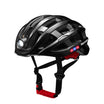
For example, the ROCKBROS Ultralight Aerodynamic Cycling Helmet for MTB and road uses a durable PC exterior with an EPS and PU foam interior in an integrally molded construction, combining shock resistance with low weight for long‑distance comfort. This type of structure is now standard among serious adult cycling helmets.
Understanding CPSC, EN1078 and Other Safety Standards
Helmet safety is not just marketing—it is regulated. Different regions use different standards, but for bike helmets you will most often see:
-
CPSC (U.S. Consumer Product Safety Commission)
In the United States, any bicycle helmet sold for use on public roads must meet the CPSC bicycle helmet safety standard. This involves drop tests from specified heights onto various shaped anvils, tests of strap strength and retention, and checks to ensure the helmet stays on the headform during impacts. If you are buying a helmet for yourself or your child in the US, CPSC compliance is the baseline you should expect. -
EN1078 (European Standard)
Widely used in the EU and some other markets, EN1078 covers helmets for pedal cyclists, skateboarders and roller skaters. It has its own set of impact and retention tests. Many global brands design models to comply with both EN1078 and CPSC, depending on where they are sold. -
Other regional standards
There are additional standards in some countries (such as AS/NZS 2063 in Australia/New Zealand), but for most ROCKBROS customers in the US, CPSC is the key label to look for.

The presence of one of these certifications indicates that the helmet has passed controlled lab tests for impact absorption and strap performance. It does not guarantee you will never be injured in a crash, but it does mean the helmet has been shown to reduce impact forces to within defined thresholds.
How Adult and Kids’ Helmets Differ in Design
Although adult bike helmets and children’s bike helmets share the same basic materials and safety goals, they are optimized differently:
- Adult helmets
- Often prioritize ventilation, low weight, and aerodynamics, especially for commuters and road riders who spend longer periods in the saddle.
- May come in more specialized shapes: road, trail, enduro, urban, etc.
- Usually have more refined adjustment systems to suit different adult head shapes and hairstyles.
- Kids’ helmets
- Emphasize generous coverage, particularly at the back of the head and around the temples, to protect during low‑speed tip‑overs and sideways falls.
- Often have a wider adjustment range to accommodate growth over a couple of years.
- Use bright colors and fun designs so children feel proud and excited to wear them.
- In higher‑risk disciplines (BMX, MTB, park), full‑face kids’ helmets add chin and face protection beyond a standard half‑shell.
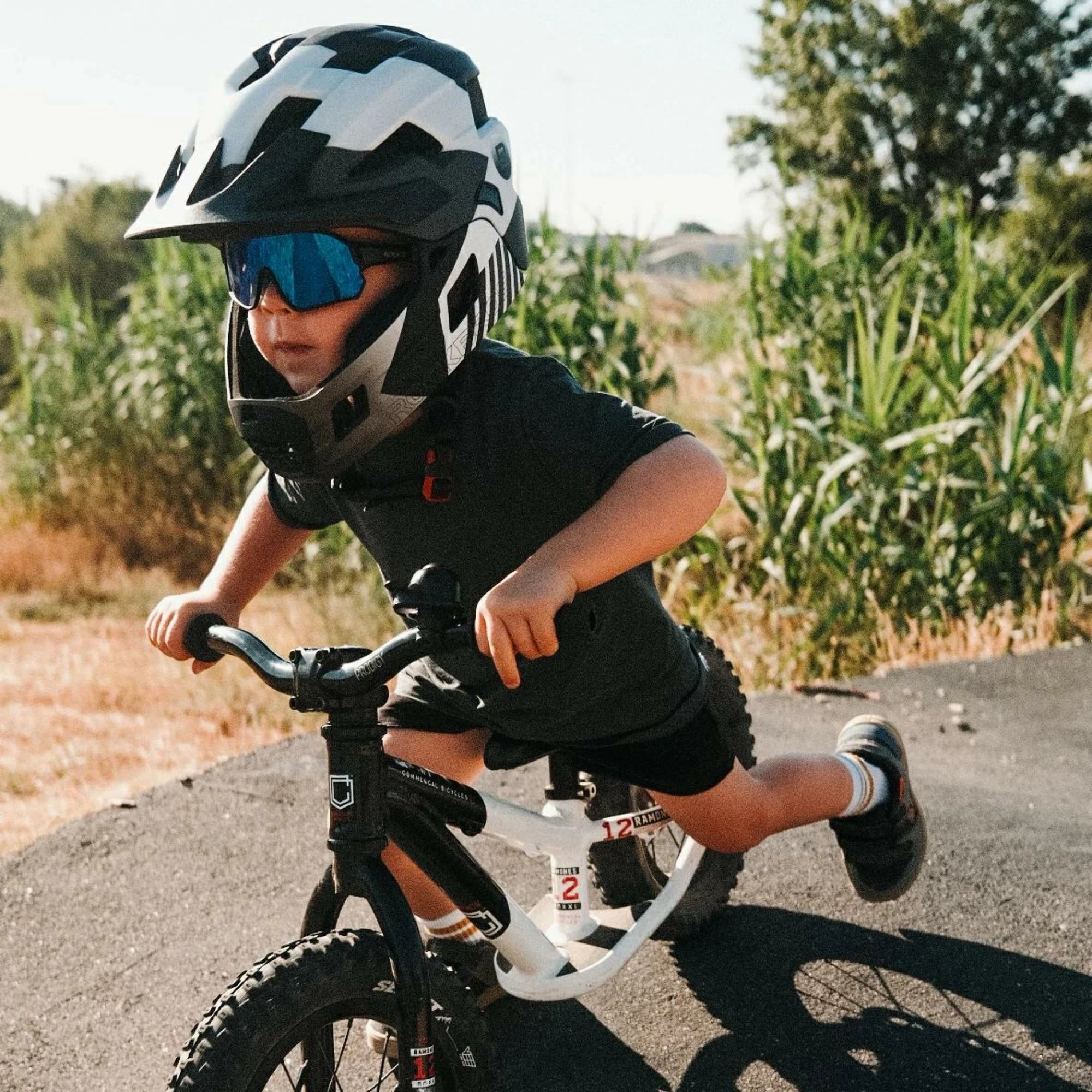
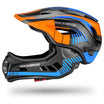
A good example of this is the ROCKBROS Kids Full Face Helmet Detachable for Youth, which is designed for children roughly ages 3–16. Unlike a simple round half‑shell, it features a full‑face design with a detachable chin bar, giving significantly more coverage for active kids who ride off‑road, at bike parks, or on ramps while still allowing parents to remove the chin guard for lighter use.
On the adult side, the ROCKBROS Unisex Road Bike Helmet for Adults with an integrated design for MTB and road is built as a versatile in‑mold helmet that can handle both city commuting and weekend trail riding, combining a strong outer shell, EPS liner, and an adjustable fit system in a single, streamlined package.
In practice, this means you should not just buy a “small adult helmet” for a child or give a teen an old, hand‑me‑down lid. For the best protection and comfort, adults and kids alike should wear helmets designed—and tested—for their size and intended use.
How to Choose the Right ROCKBROS Bike Helmet for You
Once you understand how helmets work and what safety standards to look for, the next question is practical: which bike helmet should you actually buy? The answer is different for an adult city commuter, a mountain biker, and a 7‑year‑old learning to ride. In this section, we’ll walk through clear, scenario‑based checklists to help you choose the most suitable ROCKBROS helmet for every rider in your household.
Adult Helmet Buying Guide: How to Choose an Adult Cycling Helmet
When you’re choosing an adult bike helmet, think in terms of four main pillars: riding scenario, fit and sizing, ventilation and weight, and visibility.
1. Define Your Main Riding Scenario
Start with where and how you ride most of the time:
Urban commuting and city riding
- Frequent stops and starts, mixed traffic, and often low‑light conditions.
- You need a helmet that is comfortable for daily use, offers good ventilation at lower speeds, and ideally improves your visibility to drivers.
- A versatile model like the ROCKBROS Unisex Road Bike Helmet for Adults – Integrated Design for MTB and Road works well here: it balances everyday comfort, strong in‑mold construction, and a clean, sporty look that doesn’t feel out of place in the city.

Road cycling and longer fitness rides
- Higher speeds, longer time in the saddle, often with climbs and descents.
- You want a lightweight, aerodynamic helmet with efficient airflow to keep you cool.
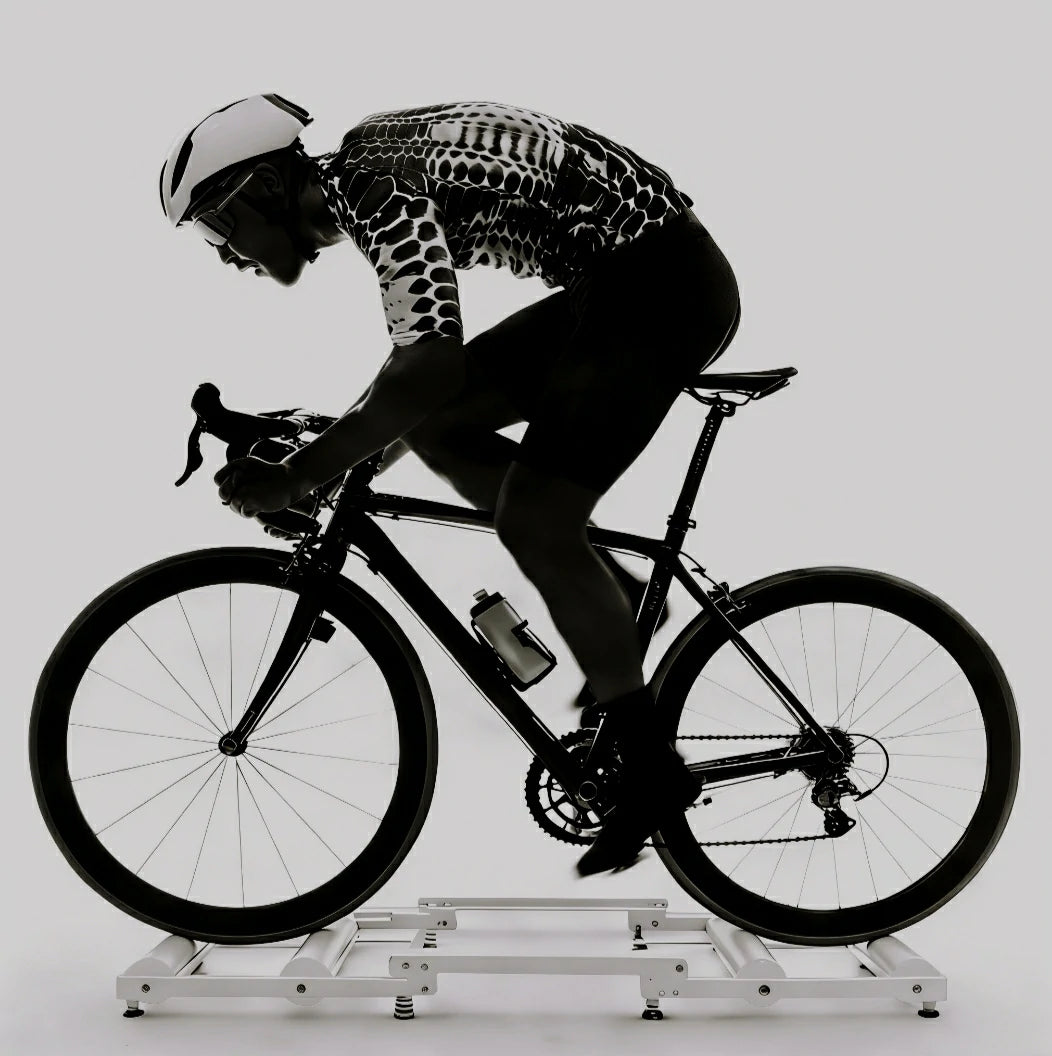
- The ROCKBROS Ultralight Aerodynamic Cycling Helmet MTB/Road Men’s is a strong match: its ultralight design (around 300 g) and advanced air‑cooling system are built for longer, more intense rides where neck fatigue and overheating can become issues.
Gravel and MTB / mixed‑terrain riding
- Rougher surfaces, more vibration, and a higher chance of off‑balance falls.
- You’ll want a helmet with stable fit, deeper coverage toward the rear of the head, and robust construction.
- The integrated ROCKBROS unisex road/MTB helmet works as an all‑rounder here, especially for riders who split time between paved roads and lighter off‑road routes.
If you do a bit of everything and don’t want multiple helmets, prioritise a versatile, all‑round model first. You can always add a more specialized helmet later if your riding style becomes more focused.
2. Get the Right Size and Fit
Even the safest bicycle helmet can’t protect you if it’s too loose, too tight, or tilted incorrectly.
Measure your head circumference
- Use a soft tape measure around your head, roughly 1–2 cm above your eyebrows and ears.
- Compare this number to the size chart on the ROCKBROS product page and choose the size where your measurement falls comfortably within the stated range.
Fine‑tune with the fit system
- Most ROCKBROS adult helmets include an adjustable rear dial plus adjustable side straps.
- After you place the helmet level on your head, turn the dial until the helmet feels snug but not painful—when you gently shake your head, it should not wobble or slide forward.
- Adjust the side straps so they form a “Y” shape around your ears, with the junction sitting just above the earlobe; then buckle and tighten the chin strap so you can fit one or two fingers between the strap and your chin.
A good rule of thumb: if you can push the front of the helmet up with your hand and expose your forehead easily, it’s too loose or tilted too far back.
3. Ventilation and Weight: Comfort for Real‑World Rides
For adult riders, especially those commuting daily or riding longer distances, comfort is a safety feature too. A hot, heavy helmet is a helmet you’ll be tempted to “forget” at home.
Ventilation
- More vents and well‑designed internal channels help air flow over your scalp, which is crucial in warmer weather or on long climbs.
- The Ultralight Aerodynamic model specifically highlights an advanced air‑cooling system to keep your head cool and reduce sweat build‑up during intense rides.
Weight
- Over time, a heavy helmet can cause neck and shoulder fatigue. This may lead to poor posture, discomfort, or reluctance to wear it on every ride.
- Lightweight models like the ROCKBROS ultralight helmet reduce strain, making them ideal if you ride frequently or for more than 30–40 minutes at a time.
If you’re on the fence between two helmets, the one that feels noticeably lighter and cooler in use is usually the better long‑term choice.
4. Visibility, Style, and Everyday Practicality
Safety is not just about impact absorption—it’s also about being seen early by others.
Color and reflectivity
- Bright colors or high‑contrast designs can make you more visible in traffic.
- Reflective details, like those included on some ROCKBROS adult helmets, add passive visibility in low‑light conditions when hit by headlights.
Integration with your routine
- Think about where you’ll store your helmet, how easy it is to clean the padding, and whether it works with your usual hairstyle or glasses.
- A helmet that fits seamlessly into your daily life is much more likely to become a non‑negotiable habit.
In short: for adult helmets, prioritize certified safety, correct fit, appropriate coverage for your riding style, and a design that makes you want to wear it every ride.
Kids’ Helmet Buying Guide: How to Choose a Children’s Bike Helmet
Choosing a kids’ bike helmet is not just about picking the cutest design. Parents should think in terms of safety standards, fit and growth, coverage, weight, and how likely it is that their child will actually wear the helmet consistently.

1. Safety Certifications Are Non‑Negotiable
For children, the safety standard question is even more important than for adults.
- Always look for clear statements that the helmet meets relevant bike helmet standards for your country (for US customers, that means compliance with the CPSC bicycle helmet standard).
- Avoid toy‑like helmets sold without clear certification; they may look similar but can fail badly in real impacts.
- When you pick a ROCKBROS kids’ helmet on rockbrosbike.us, you can check the product description for safety standard information and intended age range.
2. Size, Fit and Room to Grow (But Not Too Much)
Parents often ask: “Can I buy a helmet a bit too big so my child can grow into it?” The answer is: only within reason.
Measure your child’s head
- As with adults, measure just above the eyebrows and ears.
- Compare the measurement with the size range listed for the helmet.
Use the adjustment system properly
- Kids’ helmets like the ROCKBROS Kids Full Face Helmet Detachable for Youth (Ages 3–16) include an adjustable dial at the back and an adjustable chin strap, allowing you to snugly fit the helmet across a wide age and head‑size range.
- The helmet should not slide when the child shakes their head; if you need to over‑tighten the dial or straps to keep it in place, the shell itself may be too large.
Growth room vs. safety
- A little extra room is fine, but a helmet that visibly wobbles or falls down over the eyes is not safe.
- It is better to buy a correctly fitting helmet now and replace it in a couple of years than to use an oversized helmet that doesn’t protect properly.
3. Coverage and Type: Half‑Shell vs Full‑Face
The right level of coverage depends on what your child actually does on the bike.
Standard kids’ bike helmets (half‑shell)
- Suitable for casual neighborhood riding, slow family rides, and learning to ride on flat ground.
- Typically provide good coverage for the top, sides, and back of the head.
Full‑face kids’ helmets
- Best for more aggressive riding: BMX parks, pump tracks, MTB trails, and kids who love jumps, tricks, and technical descents.
- The ROCKBROS Kids Full Face Helmet adds a detachable chin bar, which protects the jaw, mouth, and face in frontal crashes while still allowing parents to remove the bar for lighter‑duty use.
If your child spends a lot of time at skate parks or on rough trails, a full‑face model is often the safer long‑term choice.
4. Weight and Comfort: Will Your Child Actually Wear It?
The safest kids’ helmet is the one your child will wear without a fight.
Weight
- Young children have weaker neck muscles; a heavy helmet can feel tiring or awkward, especially on longer rides.
- Lightweight construction and a well‑balanced design make a big difference in real‑world comfort.
Padding and straps
- Soft, skin‑friendly pads and straps reduce chafing and pressure points.
- Well‑placed vents stop kids from overheating, which is important because many children are more sensitive to heat and discomfort.
Design and colors
- Letting children choose their own helmet color or graphic can significantly increase buy‑in.
- ROCKBROS kids’ helmets use bold looks and fun styling so that putting on a helmet feels more like gearing up for an adventure than following a rule.
As a parent, your best strategy is to combine non‑negotiable rules (“we always wear a helmet when we ride”) with giving your child some freedom in choosing the exact helmet they love.
How to Wear and Use Your ROCKBROS Helmet Correctly
Buying a good helmet is only half the equation. Wearing it correctly—and taking care of it over time—is just as important. A poorly positioned or loosely fastened helmet can fail when you need it most.
Step‑by‑Step: Proper Helmet Fit and Position
Follow these steps every time you set up a new helmet, whether for an adult or a child:
Position the helmet level on the head
- Place the helmet so it sits level and low on the forehead, not tilted back.
- You should be able to see the helmet brim when you look up with your eyes, and there should be roughly one to two finger widths between the front edge of the helmet and your eyebrows.
Adjust the side straps
- The straps should form a “Y” shape around each ear, with the junction just below the earlobe.
- Slide the strap adjusters up or down to achieve this shape, then snug them so the straps lie flat against the head without twisting.
Buckle and tighten the chin strap
- Buckle the strap under the chin and pull it tight enough that you can fit one to two fingers between the strap and your skin, but no more.
- If the strap is too loose, the helmet can shift or even come off during a crash.
Use the rear dial or retention system
- Turn the adjustment dial at the back of your ROCKBROS helmet until the fit feels comfortably snug all around.
- Test the fit by gently moving the helmet front‑to‑back and side‑to‑side; your skin and scalp should move with it, and it should not slide over your eyebrows or tilt back.
For kids, double‑check regularly
- Children grow quickly, and straps can loosen over time.
- Recheck the fit every few weeks—or more often if your child complains about tightness or if you notice the helmet shifting on their head.
Cleaning, Storage, and Replacement
Taking simple care of your helmet will keep it effective and comfortable for longer:
Cleaning
- Remove and hand‑wash the internal pads using mild soap and water, then air‑dry them completely before reinstalling.
- Wipe the outer shell and straps with a damp cloth; avoid harsh chemicals or solvents that can weaken plastics and EPS foam.
Storage
- Store your helmet in a cool, dry place away from direct sunlight and high heat (for example, avoid leaving it permanently on a hot car dashboard).
- Do not hang it by the straps in a way that crushes the foam or distorts the shape.
When to replace your helmet
- Replace any bike helmet after a significant crash or impact, even if you don’t see obvious external cracks. The foam inside is designed to crush once.
- Even without a crash, most experts recommend replacing a helmet every 3–5 years, depending on frequency of use and exposure to sunlight and sweat, as materials can degrade over time.
ROCKBROS helmets are built to withstand the demands of daily cycling, but like all safety equipment, they work best when they are cared for properly and replaced when their protective capacity is compromised.
Real‑World Experiences with ROCKBROS Adult & Kids Helmets
Technical specs and lab tests are important, but many riders and parents are most persuaded by what happens in real life. ROCKBROS helmets have been used and reviewed by commuters, mountain bikers, and families across a range of conditions—from everyday city rides to serious crashes.
A Parent’s Story: “This Helmet Saved My Daughter’s Life”
One of the most powerful types of feedback comes from parents who experienced serious accidents with their children on the bike. In one widely shared story, a family riding a cargo bike was hit from behind by an SUV at around 20 mph. The six‑year‑old child, seated in a rear child seat, took the brunt of the impact when the bike was thrown into the air and landed upside down. Thanks to being properly strapped in and wearing a ROCKBROS helmet, the child avoided a catastrophic head injury, and the parent later described the helmet as having “saved my daughter’s life.”
No brand or product can promise to prevent all harm in every scenario, but stories like this highlight what a properly fitted, certified helmet can do when the worst happens.
Adult Riders: Comfort, Warmth, and Everyday Reliability
Adult riders often comment on:
Comfort over long rides
- Users of ROCKBROS thermal jackets, pants, and helmets note that the combination makes winter training and commuting much more pleasant, reducing cold wind on the head and face while still allowing enough ventilation to avoid overheating.
Fit and practicality
- Riders appreciate features like thumb holes on jackets and adjustable waist cords, and by extension they value helmets that include similar thoughtful details: easily adjustable fit systems, comfortable straps, and padding that doesn’t cause hotspots during longer rides.
- Positive reviews frequently mention that ROCKBROS gear “just works” at a fair price point, making it easier to equip the whole riding kit without overspending.
Kids and Youth: Confidence and Fun
For children and teenagers, a helmet isn’t just a safety device—it’s part of their riding identity.
- Parents report that bold, sporty designs and full‑face options make kids more excited to gear up, especially when heading to the bike park or trail.
- The detachable full‑face design of the ROCKBROS Kids Full Face Helmet lets parents adapt protection to the day’s ride: full coverage for more technical sessions, half‑shell setup for mellow rides.
When your child likes how they look and feel in their helmet, you don’t have to argue about safety every time you roll out. That alone can be worth a great deal.
Conclusion & Final ROCKBROS Helmet Recommendations
Choosing the right bicycle helmet is ultimately about matching real‑world riding scenarios with certified protection, comfort, and fit. A “good” cycling helmet is not always the most expensive one, but the one you are willing to wear every single ride—whether you are commuting through city traffic, tackling mountain trails, or sending your kids out for a safe spin around the neighborhood.
To make your decision easier, here is a simple ROCKBROS helmet shortlist you can use as a starting point:
1. Best Lightweight Adult Commuter & Road Cycling Helmet
Recommended: ROCKBROS Ultralight Aerodynamic Cycling Helmet MTB/Road Men’s

- Ideal for riders who want a featherlight, well‑ventilated adult helmet for daily commuting and weekend road rides.
- Integrally molded PC shell with EPS foam provides solid impact protection while keeping weight around 300 g, so your neck and shoulders stay fresh on longer rides.
- Multiple vents and an advanced airflow system help dissipate heat and sweat, making it a great choice for riders who cycle in warmer conditions or ride at higher intensities.
- Reflective details add extra visibility in low‑light city traffic, making this one of the most practical “everyday” adult cycling helmets in the ROCKBROS line‑up.
- Use this model if you are primarily:
- A city commuter who values low weight and comfort.
- A road cyclist who wants a clean, aerodynamic look plus reliable protection.
2. Best All‑Round Adult Helmet for Road & MTB
Recommended: ROCKBROS Unisex Road Bike Helmet for Adults – Integrated Design for MTB and Road

- Designed as a versatile unisex adult helmet that works equally well for road, gravel, and light MTB use.
- Integrated in‑mold construction combines a tough outer shell with EPS foam for dependable impact absorption, whether you are on paved bike lanes or rougher off‑road sections.
- Adjustable fit system and wide size range make it easy to dial in a secure, comfortable fit for different head shapes.
- A solid option if you want “one helmet that does it all” instead of separate lids for commuting, weekend rides, and casual trail sessions.
- Choose this model if you:
- Split your time between city riding and off‑road adventures.
- Prefer a single, do‑everything adult cycling helmet with a clean, sporty design.
3. Best High‑Protection Helmet for Kids & Youth
Recommended: ROCKBROS Kids Full Face Helmet Detachable for Youth Child Boys Girls Ages 3–16

- Built for kids who ride more than just around the block: perfect for BMX parks, pump tracks, MTB trails, and confident little shredders who love to push their limits.
- Full‑face design with a detachable chin guard offers significantly more coverage than a standard kids’ bicycle helmet, protecting the jaw, face, and sides of the head during crashes or front‑wheel washouts.
- Wide age and size range (roughly ages 3–16) plus an adjustable fit system help parents cover multiple growth stages with one helmet, as long as fit is checked regularly.
- Fun styling and bold looks make it easier to convince children and teens to wear their helmet every time they ride—turning safety into something they are actually excited about.
- Pick this helmet if your child:
- Rides off‑road, jumps, or practices tricks.
- Needs extra protection beyond a standard half‑shell kids’ helmet.
Your Next Step: Find the Right ROCKBROS Helmet for Your Family
If you are still unsure which model to choose, start by answering three questions:
- Who is the helmet for—an adult commuter, a mountain biker, or a child?
- Where will they ride most of the time—city streets, paved paths, or off‑road trails?
- Do they need maximum ventilation, maximum coverage, or a balance of both?
Once you have those answers, you can explore the full range of ROCKBROS adult and kids’ bicycle helmets on our official US store and compare colors, sizes, and features side by side.
Visit rockbrosbike to discover the complete ROCKBROS cycling helmet collection and choose the best protection for you and your family.
FAQ
1. How often should I replace a bike helmet?
- Most experts recommend replacing a bike helmet every 3–5 years, depending on how frequently you ride and how much sun, sweat, and temperature change the helmet is exposed to.
- You should always replace a helmet after a significant crash or impact, even if there are no obvious cracks. The EPS foam may have been compressed and will not protect as well in a second impact.
- Regularly inspect your ROCKBROS helmet for signs of cracks, crushed foam, or damaged straps; if you see any of these, it’s time for a new one.
2. How do I choose the right size children’s bike helmet?
- Use a soft tape to measure your child’s head circumference just above the eyebrows and ears.
- Compare that measurement with the size chart for the specific kids’ helmet you’re considering and choose the size where the number falls roughly in the middle of the range.
- Once you receive the helmet, use the rear dial and chin strap to snugly adjust the fit. The helmet should sit level and not slide when your child shakes their head. Models like the ROCKBROS Kids Full Face Helmet for ages 3–16 are designed with a wide adjustment range to accommodate growth while still allowing a safe, secure fit.
3. Do I need different bike helmets for commuting and mountain biking?
- If you only ride casually and your MTB trails are mild, a versatile all‑round helmet can cover both commuting and light off‑road use.
- If you ride more technical mountain bike trails, you may want a helmet with deeper coverage at the back and sides, and possibly a visor to help with low sun and debris.
- The ROCKBROS Unisex Road Bike Helmet for Adults is a strong option for riders who split time between city streets and mixed‑terrain adventures, offering a good balance of ventilation, coverage, and strength in one integrated design.
4. What if my child refuses to wear a helmet?
- Let your child have a say in choosing the color or style so they feel ownership and pride in their helmet.
- Lead by example: if every adult on the ride wears a helmet, it becomes a normal part of “getting ready” rather than a special rule for kids.
- Make sure the helmet is comfortable and not too heavy or tight; sometimes resistance comes from genuine discomfort. Lightweight, well‑padded ROCKBROS kids’ and youth helmets can make a big difference in day‑to‑day willingness to wear them.
5. What is the best bike helmet brand or series to buy?
- The “best” bike helmet is the one that combines certified safety, a proper fit, and the right coverage for your specific type of riding—at a price you can afford.
- ROCKBROS offers a wide range of adult and kids’ cycling helmets that balance reliable construction, thoughtful design, and strong value, making them an excellent choice for families who want to equip multiple riders without compromising on safety.
- For adults, start with the ROCKBROS Ultralight Aerodynamic Cycling Helmet if you prioritize light weight and ventilation, or the ROCKBROS Unisex Road Bike Helmet if you want an all‑round option for both road and MTB use.
- For children and youth, the ROCKBROS Kids Full Face Helmet Detachable for Youth is a standout choice for active riders who need extra protection and love the confidence that full‑face coverage provides.
To see the full line‑up and choose the best helmet series for your needs, visit
rockbrosbike.us and explore the current ROCKBROS helmet collections for adults and kids.



Leave a comment
This site is protected by hCaptcha and the hCaptcha Privacy Policy and Terms of Service apply.