
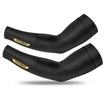


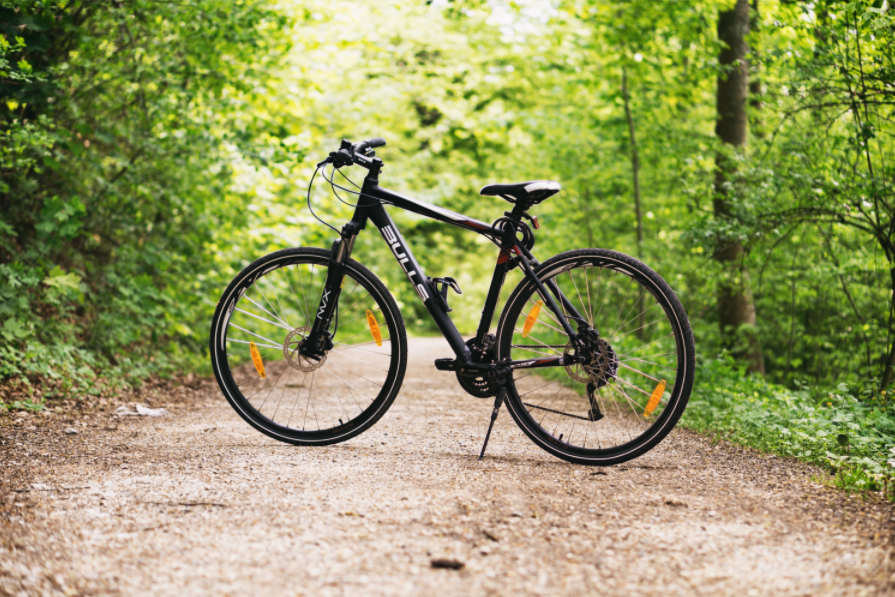
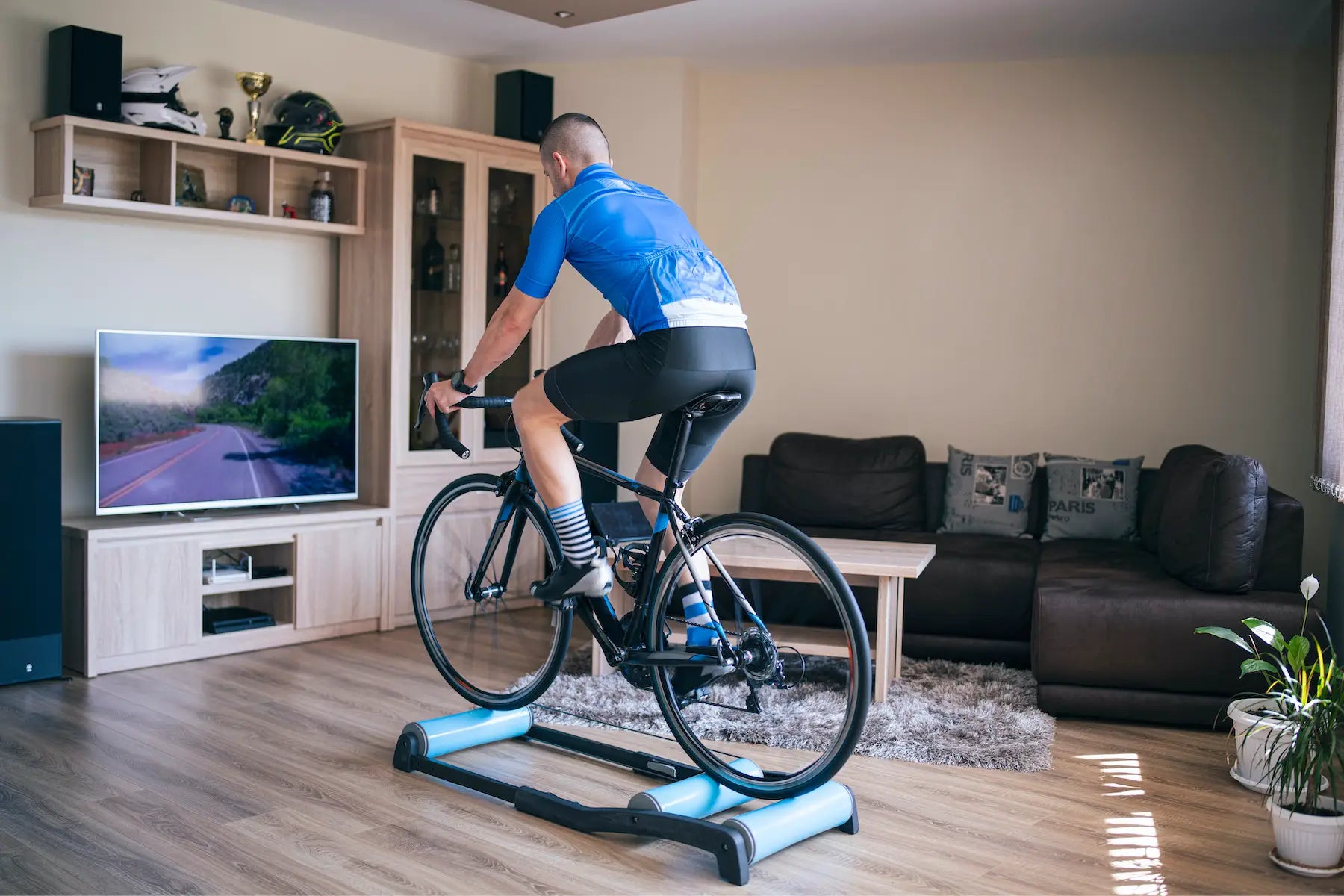
New Year’s resolutions are everywhere—but the riders who actually improve in 2026 usually do two things well: they set realistic cycling goals and they remove friction with a reliable winter setup. If you’ve ever skipped a ride because it was “too cold,” “too dark,” or “too much hassle,” this post is your reset button.
Below you’ll get a practical goal framework, a winter cycling gear checklist built for U.S. riders, and a quick maintenance tune-up plan—so your routine survives the season, not just the first week of January.
Step 1 — Set Your 2026 Cycling Goals (Keep Them Real, Keep Them Measurable)
Start small, stay consistent
The fastest way to lose momentum is aiming too big too soon. Instead, define a “minimum viable week” you can hit even when work is busy or weather turns ugly:
- 2 rides/week minimum (30–60 minutes each)
- 1 longer ride on weekends when possible
- 1 recovery or easy spin day (optional, but high ROI)
Build habits before miles
Make goals behavior-based first. Distance and speed come later. Examples:
- Ride on a set schedule (e.g., Tue/Thu + one weekend ride)
- Commute by bike 1 day/week → progress to 3 days/week
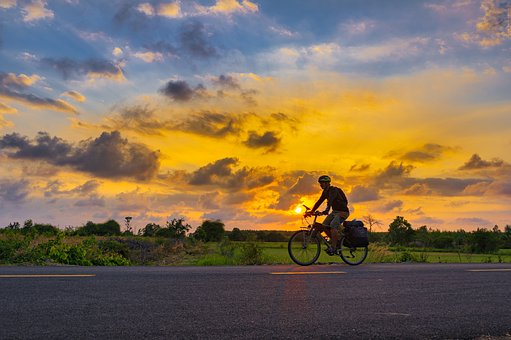
- Complete one milestone ride before spring (50 km / 100 km)
Track progress the simple way
Use your preferred app (Strava or any GPS tracker) to log rides, then review every 2–4 weeks. You’re not chasing perfection—just proof of consistency. That visibility keeps motivation rolling.
Step 2 — Refresh Your Winter Cycling Gear
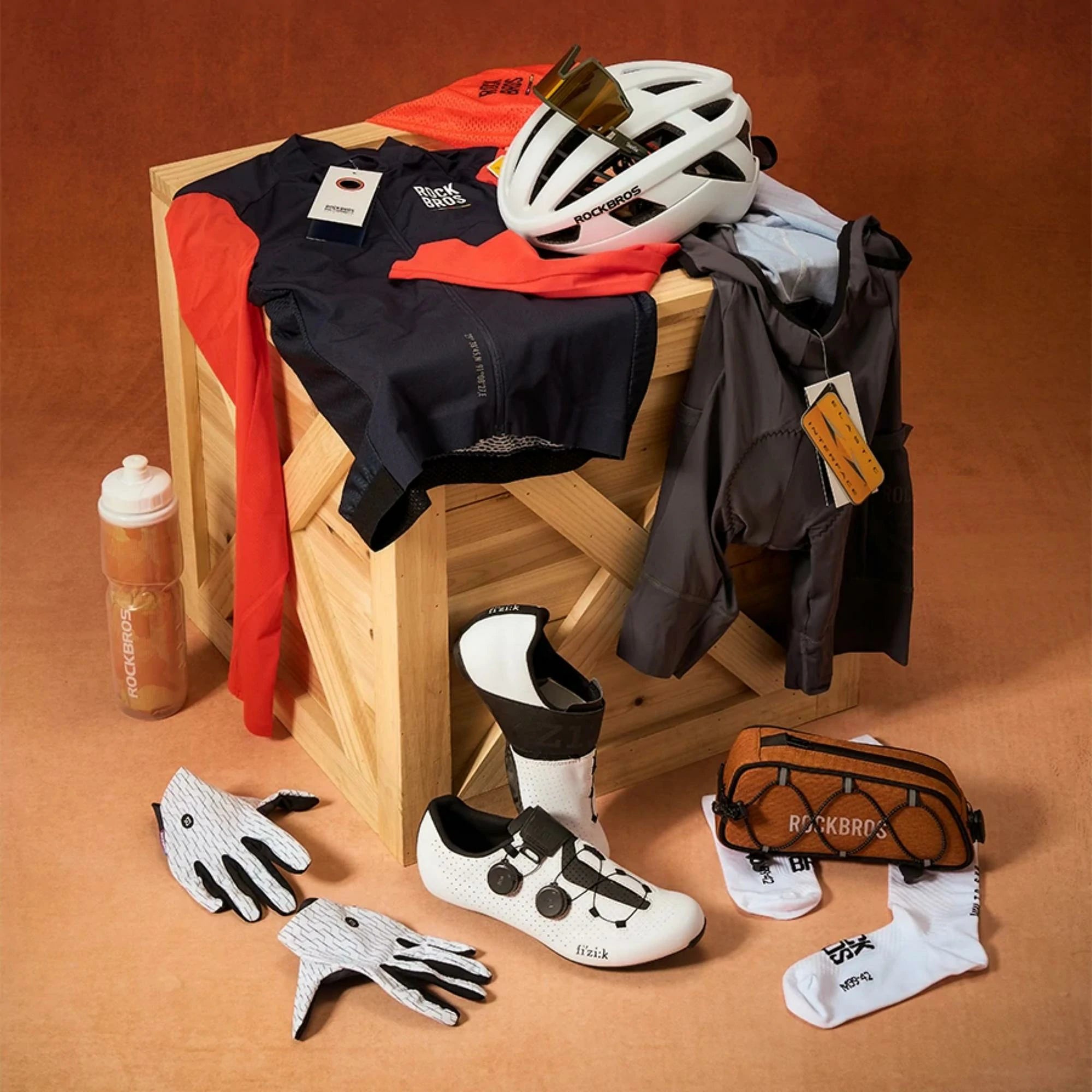
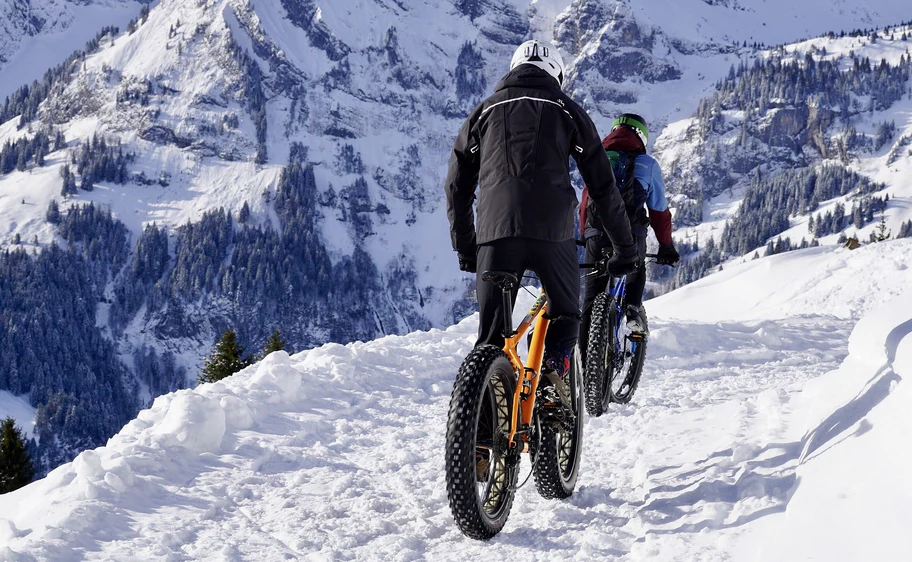
Cold-weather riding isn’t about suffering—it’s about system thinking. When your gear works together, you stay warm, comfortable, and present on the road. Here’s a clean “refresh” checklist based on the most common winter pain points: wind chill, wet roads, and low visibility.
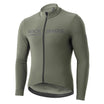
Thermal suit: one upgrade that changes everything
If you want the highest impact “reset” purchase, start with a proper winter set—less decision fatigue, better coverage, and easier layering. Two solid options:

- Winter Jacket & Pants Men’s Windproof Cycling Suit
- Cycling Jacket Pants Winter Suit (Fluorescent Green)
Why it matters: a coordinated jacket + pants setup reduces cold spots (especially around your core and thighs) and helps you stick to your weekly plan when temperatures drop.
Hands: warmth + control = safety
Cold hands don’t just feel bad—they reduce braking confidence and shifting precision. For a winter reset, prioritize gloves you’ll actually wear for the whole ride.
Pro tip: if your rides are under an hour, you can often get away with one “go-to” glove. For longer rides, keep a second pair ready as a backup when conditions change.
Neck + face: the comfort multiplier
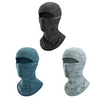
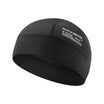
Wind across your face and neck is a fast track to cutting rides short. A thermal balaclava turns “barely tolerable” into “totally doable,” especially on early-morning starts.

Use case: commuting, long weekend rides, or any day with strong wind chill.
Feet + lower legs: where winter rides are won or lost
Wet roads and cold air hit your feet first. If you want to ride more frequently in winter, treat shoe protection as a core item—not a “nice to have.”
A simple system that works: socks for thermal baseline, shoe covers for wind/wet protection, gaiters for extra coverage when conditions get harsh.
Glasses: winter wind + glare protection (and clearer vision)
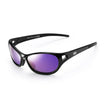
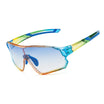
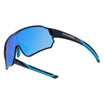
Winter is sneaky: lower sun angles can increase glare, and cold wind can make eyes water—both reduce reaction time. Cycling glasses help with comfort and clarity, whether you’re commuting or training.
Look for lens options that match your routes (clearer conditions vs. bright sun) and frames you can wear comfortably for long stretches.
Visibility is non-negotiable: upgrade your lights
In many U.S. regions, winter means riding in low light—early mornings, late afternoons, and overcast days. Your lighting strategy should cover two goals:
- See the road (enough output for your speed + terrain)
- Be seen (consistent, recognizable presence to drivers)
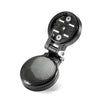
Two high-value headlight options:

- M6 Bike Light (Remote + Digital Display, 1000LM, IPX6)
- 1600LM Bike Headlight (4000mAh, IPX6, Remote + Display)
If you ride darker roads, higher speed routes, or uneven surfaces, prioritize more output and battery capacity. Both models are built for wet-weather reliability (IPX6), which matters when winter turns rainy.
Step 3 — Maintenance & Tune-Ups Before the Season (Quick Wins)
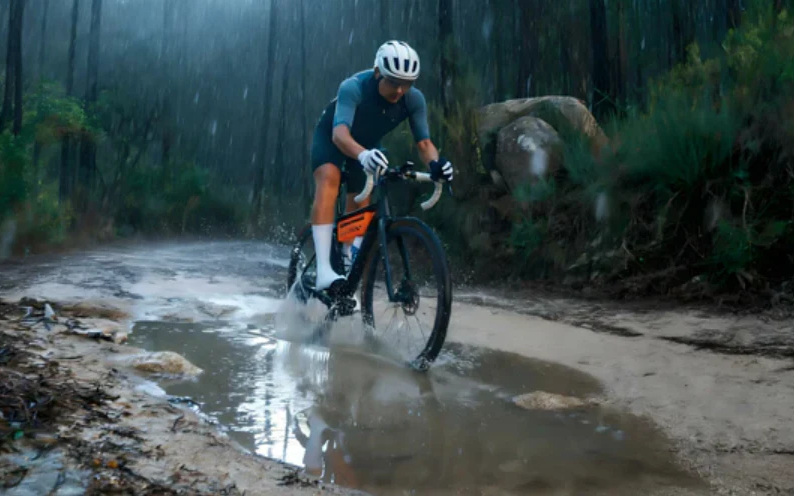
A gear reset isn’t complete without a bike reset. Winter grime, road spray, and wet conditions can accelerate wear—especially on your drivetrain. Keep it simple:
- Check brake pads + braking feel
- Inspect tires (cuts, embedded debris) + set pressure
- Clean and re-lube chain on a schedule that matches your riding frequency
If you want a step-by-step routine, reference your maintenance post: Winter Bike Maintenance Checklist: Keep Your Drivetrain Clean in Wet Months.
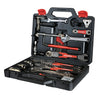
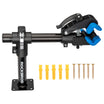
To support the routine, start with the basics:
When tools and inflation are easy to access, you’re far more likely to stay consistent—and avoid “small issues” turning into ride-stoppers.
Step 4 — Your Personal Cycling Essentials Checklist
Clothing essentials
- Thermal jacket + pants set
- Winter gloves
- Balaclava
- Warm socks
- Shoe covers + gaiters (as needed)
Visibility & safety
- Primary headlight + backup mode
- Reflective elements (where applicable)
- Glasses for wind/glare protection
Maintenance basics
- Pump (keep tires consistent)
- Essential tool kit
- Simple cleaning/lube schedule
Step 5 — Keep the Motivation Rolling (Without Burning Out)
- Use a 4-week cycle: build for 3 weeks, then take 1 easier week.
- Make it social: ride with a friend or join a local group ride for accountability.
- Never “restart from zero”: if weather is bad, do a shorter ride instead of skipping the whole week.
Your 2026 Cycling Reset Starts Here
If your goal is to ride more in 2026, the winning move is reducing friction: stay warm, stay visible, and keep your bike ready to roll.
- Shop Winter Cycling Suit
- Shop Winter Gloves
- Shop Thermal Balaclava
- Shop Cycling Shoecovers
- Shop Bike Socks
- Shop Cycling Glasses
- Shop 1600LM Headlight
- Shop Tool Accessories | Shop Bike Pumps
FAQ
What are the best New Year cycling goals if I’m busy?
Start with 2 rides per week (30–60 minutes). Consistency beats intensity in January.
What’s the most important winter gear upgrade?
For many riders: a proper thermal clothing system plus dependable gloves. Add lights early if you ride in low visibility.
Do I really need shoe covers?
If you ride in wet or windy conditions, shoe covers help prevent cold feet—often the #1 reason riders cut winter rides short.
How do I stay motivated past the first few weeks?
Use a 4-week rhythm, track progress, and keep the “minimum viable week” as your baseline.

Leave a comment
This site is protected by hCaptcha and the hCaptcha Privacy Policy and Terms of Service apply.