




















Winter riding is fun—until your drivetrain starts sounding like a coffee grinder.
In the wet months, your chain, cassette, and derailleur pulleys get hit with a perfect storm: rainwater, gritty road spray, and (in many parts of the U.S.) corrosive de-icing salt. That mix accelerates rust, increases friction, and can chew through drivetrain parts faster than most riders expect.
This guide gives you a straightforward winter maintenance routine that actually fits real life: a quick after-ride clean (2–3 minutes), a weekly deep clean, and a smarter way to lube and inspect parts so you can avoid the “why is my shifting terrible?” repair bill.

Why Winter Wrecks Your Drivetrain
Here’s what changes in winter:
- More moisture stays on the bike longer: Cold air and short daylight slow drying.
- Road grit turns into grinding paste: Water lifts fine particles into your chain and rollers.
- Salt is the silent killer: Even light salt residue can trigger corrosion on chain links, bolts, and cassette teeth.
If you do nothing, you’ll usually see (and hear) the results: brown chain links, skipping under load, noisy pedaling, and sloppy shifting. The good news: consistency beats intensity. A small routine done often is more effective than a once-a-month “detail day.”
Step 1 — Quick After-Ride Clean (Daily Routine)
Goal: Remove moisture + surface grit before it settles and starts corroding components.
Time: 2–3 minutes. No stand required.
What to do
- Wipe the chain: Hold a clean rag around the lower section of chain and backpedal 10–15 rotations. You’re removing water and surface grime.
- Quick wipe on the cassette and derailleur: A light wipe on the visible grime helps prevent buildup.
- Re-lube only if needed: If the chain sounds dry or you rode in heavy rain, add a few drops of wet lube (winter-friendly), then wipe excess.
Pro habit: If you can do only one thing all winter, do this. It’s the highest ROI “maintenance minute” you’ll ever spend.
Helpful gear to keep on hand
- Tool Accessories (maintenance essentials)
- Portable Bicycle Tool Storage Can — a clean way to keep small items organized in one place.

Note: ROCKBROS’ U.S. store groups repair and maintenance items inside the Tool Accessories category. Free U.S. shipping starts at $29+ (excluding bikes).
Step 2 — Weekly Deep Drivetrain Cleaning
Goal: Remove the gritty film that causes long-term wear (and kills shifting).
Time: 15–25 minutes once a week (or every 2–3 rides if conditions are brutal).
What to do
- Degrease the chain (lightly): Use a bike-safe degreaser and a chain cleaning tool or brush. Rinse gently or wipe thoroughly—avoid blasting bearings with high-pressure water.
- Scrub the cassette and chainrings: A small brush works great for tooth valleys where grime packs in.
- Clean derailleur pulleys: Gunk on the jockey wheels is a shifting killer. A quick brush and wipe goes a long way.
- Dry completely: Water sitting in chain rollers is where rust starts. Let it air dry or wipe carefully.
- Re-lube (wet-weather style): Apply lube to each roller, wait a few minutes, then wipe the outer plates so the chain isn’t a dirt magnet.
ROCKBROS tools that make weekly maintenance easier
- ROCKBROS Bike Foldable Repair Kit (16-in-1) — compact tool coverage for the most common adjustments.
- Bike Tool Kit with Pump (Portable Repair Bag) — a practical “grab-and-go” kit that covers common roadside problems (and makes winter rides less stressful).
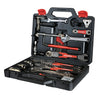
- Complete Bike Tool Kit for Maintenance — ideal if you want a home base setup for deeper work.

Step 3 — Protect & Lube the Right Way (Wet vs. Dry)
Lubrication is where a lot of winter maintenance goes wrong—not because riders don’t lube, but because they lube in a way that attracts grit.
Dry lube vs. wet lube (simple rule)
- Dry lube: Best for dry, dusty conditions. In constant rain and slush, it often washes out too fast.
- Wet lube: Better for rain, puddles, and road spray. It stays put longer—but you must wipe off excess to avoid a grime buildup.
The “winter lube method” that works
- Apply one small drop per roller.
- Wait 5–10 minutes so it can penetrate.
- Wipe the chain’s outer plates until it feels almost dry to the touch. (Lube belongs inside the chain, not coating the outside.)
Step 4 — Inspect & Replace Worn Parts Before They Cost You
Winter contamination accelerates wear. A few quick checks help you catch problems early:
- Chain stretch: A worn chain wears out the cassette faster. If you don’t have a chain checker, many local shops can measure it quickly.
- Skipping under load: If your chain slips when you push hard, you may be dealing with wear or contamination.
- Shifting drift: If shifting feels inconsistent week to week, pulley buildup and cable contamination are common winter culprits.
Tools that help you stay ready
- Shop Tool Accessories — build a small toolkit so you can handle quick adjustments without losing ride time.
- Ultra-Mini Tire Patch Kit — not drivetrain-specific, but winter flats happen, and being prepared keeps your riding schedule intact.

Bonus — Reduce Grime Before It Hits Your Drivetrain
Want a low-effort upgrade that reduces cleanup time? Control the spray.
- Use fenders in wet months: They cut down the amount of dirty water thrown onto your drivetrain.
- Store tools cleanly: A dedicated storage solution helps keep rags, tools, and small parts organized.
- Adjustable Bike Fenders Set — a practical winter add-on to reduce road spray exposure.
- Portable Bicycle Tool Storage Can — keeps essentials in one place and makes “quick clean” easier to sustain.
Recommended Winter Drivetrain Care Kit (Simple, Practical)
If you want one clean shopping path, build a small “winter maintenance kit” around these essentials:
- Portable repair coverage: Bike Tool Kit with Pump (Portable Repair Bag)
- Compact multi-tool: Bike Foldable Repair Kit
- At-home maintenance base (optional): Complete Bike Tool Kit
- Storage/organization: Tool Storage Can
CTA: Shop the Tool Accessories collection →
Conclusion: Ten Minutes a Week That Can Save You Hundreds
Winter drivetrain care doesn’t need to be complicated. A quick post-ride wipe keeps moisture and grit from settling. A weekly deep clean prevents long-term wear. And smart wet-weather lubrication protects the chain without turning it into a dirt magnet.
If you want to make this routine easier to sustain, set yourself up with a small, reliable maintenance kit and keep it where you’ll actually use it—garage shelf, entryway, or right next to your winter riding gear.
Next step: Build your winter maintenance kit here →



Leave a comment
This site is protected by hCaptcha and the hCaptcha Privacy Policy and Terms of Service apply.