







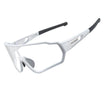


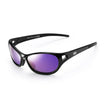
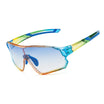
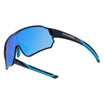


Polarized glasses are most useful for cycling in bright, glare-heavy conditions, such as sunny road rides, wet pavement after rain, exposed routes, and areas near water or other reflective surfaces. They are less suitable for low light, technical trails, frequent bike computer use, or routes with rapid transitions between sun and shade.
For cyclists, lens choice is not only about blocking sunlight. It affects contrast, road texture recognition, screen readability, depth perception, and overall riding safety. Polarized lenses can reduce glare and eye strain, but they also create optical trade offs that matter in real riding conditions.
This guide explains when to wear polarized glasses cycling, when non polarized lenses may be a better choice, and how photochromic lenses fit into different light conditions.
What Polarized Lenses Do
Polarized lenses use a vertically oriented filter to reduce horizontally reflected light—the glare often produced by wet pavement, water, snow, glass, metal, and smooth road surfaces.
On the bike, this filter can reduce road glare before it reaches the eyes. The result is often better visual comfort, less squinting, and clearer vision in bright light.
Polarization should not be confused with UV protection. Polarized lenses reduce glare. UV protection helps block harmful rays. A lens can be polarized without adequate UV protection, and non polarized lenses can still provide proper protection from UVA and UVB rays.
For cycling sunglasses, UV protection should be treated as a baseline requirement. Polarization is a condition-specific feature, not a replacement for sun protection.
When to Wear Polarized Glasses Cycling
1. Bright Sunny Days on Open Roads
Polarized glasses are a strong option for cycling on bright, exposed roads with limited shade. In these conditions, sunlight can reflect off pavement, vehicles, road signs, painted lane markings, and other surfaces at roughly the same level as the rider’s eyes.
This reflected light can reduce contrast, increase eye strain, and make surface details harder to read during long rides. Polarized sunglasses help filter this horizontal light, making the visual field feel less harsh.
For road cycling, long-distance rides, and open commuter routes, polarized lenses may support clearer vision and more relaxed focus. They are especially useful when the sun is low in the sky and glare comes from a shallow angle.
2. Routes Near Water or Highly Reflective Surfaces
Polarized sunglasses are widely used in fishing and water sports because water creates strong reflective glare. The same optical principle applies to cycling routes near lakes, rivers, coastlines, canals, reservoirs, or bridges.
When sunlight reflects off water, it can create high-intensity glare that reduces contrast and makes it harder to read the road ahead. Polarized lenses help reduce this reflected light, which may improve comfort and visibility.
Urban cyclists may also benefit from polarization. Glass buildings, vehicle windows, metal railings, bright concrete, and smooth pavement can all produce glare during sunny rides.
In these environments, polarized cycling sunglasses can help reduce visual fatigue and maintain clearer forward vision.
3. Wet Roads After Rain
Wet roads are one of the most relevant use cases for polarized glasses in cycling. After rain, pavement, puddles, painted lines, road shoulders, and metal covers can reflect bright sunlight.
The issue is not only comfort. Strong glare can reduce contrast between dry pavement, standing water, lane paint, debris, and uneven road texture. This can make hazards harder to identify quickly.
Polarized lenses can help by reducing glare from wet surfaces. For commuters and road cyclists, this can improve visual comfort when riding in bright post-rain conditions.
However, this benefit comes with an important limitation. Reflections can also help cyclists identify slick areas. If polarized lenses reduce reflections too much, some wet patches may appear less obvious. Riders should still reduce speed, avoid sharp cornering, and pay close attention to shaded areas where moisture may remain.
4. Long Rides in Stable Light Conditions
Polarized sunglasses perform best when light conditions remain stable. If a route is mostly sunny, open, and exposed, glare reduction can remain useful throughout the ride.
They are especially suitable for:
- Long road rides in bright sunlight
- Summer commuting on open streets
- Coastal or lakeside routes
- Rural roads with limited tree cover
- Bright gravel roads
- Routes with frequent glare from cars, pavement, or glass
For these riding conditions, polarized lenses can reduce eye strain and help cyclists maintain clear vision over time. This is especially valuable on longer rides, where visual fatigue can build gradually.
When Polarized Glasses Can Be a Poor Choice for Cycling
1. Low Light, Dusk, and Night Riding
Polarized sunglasses are generally not suitable for low light. Early morning rides, dusk rides, night riding, heavy cloud cover, and dark shaded roads require maximum visible light.
Many polarized lenses also use darker tints. In dim conditions, this can reduce visibility and make it harder to identify potholes, debris, lane edges, pedestrians, and trail obstacles.
For low light cycling, clear lenses, lightly tinted lenses, yellow tint lenses, or amber tint based lenses are typically more appropriate. The priority should be visibility, contrast, and eye protection—not glare reduction.
2. Fast Transitions Between Sun and Shade
Cyclists often move rapidly between sunlight and shaded areas. This is common on tree-lined roads, forest paths, gravel routes, urban streets, and mountain biking trails.
A lens that works well in full sun may become too dark in shade. This can reduce reaction time and make it harder to recognize surface detail, especially when speed is high or the route is technical.
For changing light conditions, photochromic lenses may be a better choice. Photochromic lenses adjust their tint based on sunlight exposure. They become darker in bright light and lighter in shade or cloudy weather.
They may not match the glare reduction of polarized lenses, but they often provide more consistent visibility across variable light conditions.
3. Technical Trails, Gravel, and Rough Pavement
Depth perception is critical for cycling safety. Riders need to judge distance, pothole depth, curb height, loose gravel, roots, rocks, cracks, road camber, and changes in surface angle.
Some cyclists find that polarized lenses affect depth perception because they reduce reflections that help the eyes interpret surface detail. The effect varies by rider, lens, tint, and terrain, but it is most relevant in technical riding conditions.
For smooth road cycling, the potential impact may be minor. For mountain biking, gravel riding, fast descending, or rough pavement, non polarized lenses may provide a more natural view of road texture and terrain.
In these situations, clarity and surface interpretation may be more important than maximum glare reduction.
4. Frequent Use of Bike Computers, GPS Devices, and LCD Screens
Polarized lenses can interfere with LCD screens. Many bike computers, cycling computers, GPS devices, smartphones, and some e-bike displays may appear darker, distorted, or difficult to read through polarized glasses.
This issue depends on the screen design, polarization angle, and rider’s viewing angle. A display may look readable from one position but become unclear when the rider changes head angle.
For cyclists who rely on screen data for navigation, speed, power, heart rate, route alerts, or training metrics, screen readability is a practical safety factor. If polarized glasses make the display harder to read, non polarized sunglasses are usually the better choice.
Before using polarized glasses on long rides, test them with your bike computer or GPS device from your normal riding position.
Polarized vs Non Polarized Sunglasses for Cycling
Polarized and non polarized sunglasses are designed for different visual priorities. Polarized sunglasses reduce glare from reflective surfaces. Non polarized sunglasses reduce brightness without filtering reflected horizontal light in the same way.
For cycling, the better choice depends on route exposure, changing light, terrain, and screen use.
|
Riding Condition |
Better Lens Option |
Why |
|---|---|---|
|
Bright open roads |
Polarized lenses |
Reduces glare from pavement, vehicles, and road signs |
|
Wet roads in strong sunlight |
Polarized lenses |
Helps limit reflected light from puddles and wet pavement |
|
Routes near water |
Polarized lenses |
Reduces glare from lakes, rivers, canals, and coastlines |
|
Low light or dusk |
Non polarized or clear lenses |
Preserves more usable light for visibility |
|
Heavy shade |
Non polarized or photochromic lenses |
Helps maintain surface detail in darker areas |
|
Technical MTB trails |
Non polarized or photochromic lenses |
Supports depth perception and terrain reading |
|
Frequent bike computer use |
Non polarized lenses |
Helps avoid LCD screen distortion |
|
Changing light conditions |
Photochromic lenses |
Adjusts tint as sunlight changes |
The best sunglasses for cycling are not always polarized. The right choice depends on light, terrain, screen use, and how much glare the ride creates.
Are Photochromic Lenses Better for Cycling?
Photochromic lenses are often a practical choice for cyclists who ride in changing light conditions. Unlike fixed-tint polarized sunglasses, photochromic lenses adjust their tint based on sunlight exposure.
They darken in bright sunlight and become lighter in shade or cloudy weather. This makes them useful for rides that include both exposed roads and shaded areas.
Photochromic lenses are especially suitable for:
- Morning rides that begin in low light
- Routes with frequent sun and shade transitions
- Gravel riding
- Mountain biking
- Cloudy days with changing sunlight
- Long rides where weather may shift
Photochromic lenses usually focus on tint adjustment rather than glare reduction. Some lenses may combine photochromic and polarized technology, but cyclists should still evaluate screen readability, depth perception, contrast, and riding conditions before choosing them.
For riders who want one pair of cycling sunglasses for varied conditions, photochromic lenses may be more versatile than standard polarized sunglasses.
Lens Tint Matters as Much as Polarization
Polarization is only one part of lens performance. Lens tint also affects contrast, clarity, color perception, and the amount of visible light reaching the eyes.
Common cycling lens tints include:
-
Gray or smoke tint
Suitable for bright sunlight and relatively natural color perception. -
Brown or copper tint
Can improve contrast and help riders identify road texture more clearly. -
Yellow or amber tint
Often used in cloudy weather, low light, or shaded areas to enhance contrast. -
Clear lenses
Best for night riding, indoor training, wind protection, and debris protection without reducing visible light.
A dark polarized lens may perform well in full sun but become too dark in shade. A non polarized lens with the right tint may be a better choice for mixed riding conditions. Cyclists should evaluate both tint and polarization before choosing sunglasses.
Key Safety Factors for Cycling Sunglasses
Cycling sunglasses should protect the eyes while preserving accurate vision. Glare reduction is useful, but it should not reduce the rider’s ability to read the road, monitor traffic, or react to hazards.
When choosing cycling sunglasses, evaluate:
- UV protection against harmful rays
- Lens coverage for wind, dust, insects, and debris
- Secure fit with a cycling helmet
- Stable grip during sweat and movement
- Visibility in your normal riding conditions
- Compatibility with bike computers and GPS devices
- Lens tint for your usual light conditions
- Impact resistance for road or trail hazards
- Potential impact on depth perception
- Clarity across sunlight, shade, and cloudy conditions
Lens performance should be evaluated by visibility, protection, fit, and compatibility with riding conditions—not by darkness alone.
A Practical Lens Selection Framework
A simple way to choose cycling sunglasses is to match the lens to the most demanding part of your ride.
Choose polarized lenses when your main challenge is glare. This includes sunny days, open roads, wet pavement, routes near water, snow, glass, and other reflective surfaces.
Choose non polarized lenses when your main challenge is screen readability, depth perception, low light, or accurate surface detail. This is often the better choice for technical trails, frequent bike computer use, or mixed riding environments.
Choose photochromic lenses when your main challenge is changing light conditions. This includes routes with frequent transitions between sun and shade, long rides with shifting weather, and rides that begin or end in lower light.
For cyclists, lens choice should depend on route exposure, changing light, screen use, and how much surface detail the ride requires.
Final Verdict: When Should You Wear Polarized Glasses Cycling?
Wear polarized glasses for cycling when the ride is bright, exposed, and glare-heavy. Avoid them when visibility depends on low-light detail, LCD screen readability, technical terrain, or rapid changes between sun and shade.
Polarized lenses can reduce glare, reduce eye strain, and improve visual comfort during long rides. They are especially helpful when sunlight reflects off water, glass, pavement, snow, or wet roads.
They are not the best choice for every ride. Polarized sunglasses may interfere with LCD screens, reduce visibility in low light, feel too dark in shaded areas, or affect depth perception for some cyclists. For technical trails, frequent screen use, and changing light conditions, non polarized lenses or photochromic lenses may be more suitable.
The most reliable approach is to choose lenses based on actual riding conditions rather than treating polarization as automatically better. Clear vision, accurate surface reading, and consistent visibility should remain the priority.
FAQ
Are polarized glasses good for cycling?
Yes. Polarized glasses can be good for cycling in bright light, especially around reflective surfaces such as wet roads, water, vehicle windows, snow, and light pavement. They help reduce glare and eye strain, but they are not ideal for every riding condition.
When should I wear polarized sunglasses while cycling?
Wear polarized sunglasses when riding in strong sunlight, on open roads, near water, after rain, or in areas with frequent glare. They are most effective when light conditions are bright and stable.
Are polarized or non polarized sunglasses better for cycling?
Polarized sunglasses are better for glare reduction. Non polarized sunglasses may be better for reading bike computers, maintaining natural depth perception, and riding in mixed or low light conditions.
Why don’t all cyclists wear polarized sunglasses?
Not all cyclists wear polarized sunglasses because they can interfere with LCD screens, affect depth perception for some riders, and feel too dark in low light or shaded areas. Many cyclists prefer non polarized or photochromic lenses for mixed riding conditions.
Are polarized lenses safe for road cycling?
Polarized lenses can be safe and useful for road cycling in bright, open conditions. However, riders should be cautious on wet roads, in shade, or when using bike computers, because glare reduction may affect surface recognition or screen readability.
Do polarized cycling sunglasses help with wet roads?
Yes. Polarized cycling sunglasses can reduce glare from wet roads, puddles, and reflective lane markings. However, because reflections can also help identify slick areas, cyclists should still ride cautiously after rain.
Can polarized lenses affect bike computers?
Yes. Polarized lenses can make some LCD screens harder to read, including bike computers, cycling computers, GPS devices, smartphones, and some e-bike displays. The effect depends on screen type, lens angle, and viewing position.
Are photochromic lenses good for cycling?
Yes. Photochromic lenses are useful for cycling in changing light conditions. They adjust tint based on sunlight, making them practical for routes with both bright sun and shaded areas.
Should cyclists wear polarized glasses at night?
No. Polarized sunglasses are generally not recommended for night riding or very low light conditions. Clear lenses are usually a better choice for eye protection without reducing visibility.



Leave a comment
This site is protected by hCaptcha and the hCaptcha Privacy Policy and Terms of Service apply.