










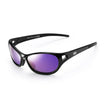
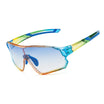
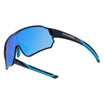


Cycling sunglasses do more than block bright light. They help protect your eyes from wind, dust, insects, sunlight, and harmful UV rays. For road cycling, commuting, mountain biking, and long rides, the right lens type can make a real difference in comfort and visibility.
So, should cyclists wear polarized glasses? The answer depends on where and how you ride.
Yes, polarized glasses are good for cycling in bright sunlight, on wet roads, and in high glare conditions because they reduce reflected glare and help reduce eye strain. However, they may make LCD screens, bike computers, cycling computer displays, and some digital screens harder to read at certain angles. For shaded trails, low light conditions, or changing light conditions, non polarized lenses or photochromic lenses may be more practical.
This comprehensive guide explains how polarized lenses work, where polarized sunglasses for cycling help most, where they may cause problems, and how they compare with non polarized and photochromic lenses.
How Polarized Lenses Work
Polarized lenses use a special filter to block much of the horizontal light reflected from flat surfaces. To understand why this matters, it helps to know how glare works.
Sunlight normally travels in many directions. When it hits reflective surfaces such as wet roads, car windows, water, smooth pavement, or metal, much of that reflected light becomes horizontal light. These horizontal light waves create glare, which can feel harsh and distracting to your eyes.
Polarized sunglasses are designed to filter out a large amount of that horizontal light. By reducing glare from reflective surfaces, polarized lenses can improve visual clarity, enhance contrast, and make bright light easier to manage during cycling adventures.
For riders, this can be helpful when looking at shiny pavement, wet roads, bright concrete, vehicle windows, or water near the road.
Benefits of Polarized Sunglasses for Cycling
1. They Reduce Glare in Bright Conditions
The main benefit of polarized lenses for cycling is glare reduction. On sunny days, glare can bounce off wet roads, car windows, glass buildings, and light-colored pavement. This can make it harder to maintain clear vision and focus on the road ahead.
Polarized cycling sunglasses help reduce glare before it reaches your eyes. In high glare environments, this can make your view feel calmer and more comfortable.
This is especially useful for:
- Road cycling in bright sunlight
- Commuting near traffic and car windows
- Riding after rain on wet roads
- Cycling near lakes, rivers, or coastal roads
- Long rides with extended sun exposure
Glare reduction can be a big deal when you are riding for hours and your eyes need to stay relaxed and focused.
2. They Can Help Reduce Eye Strain
Bright light and reflected glare can cause squinting, fatigue, and eye strain. Over time, this can affect your comfort and concentration, especially during long rides.
By significantly reducing glare, polarized sunglasses can help reduce eye strain in high glare conditions. This does not mean they make every ride safer by themselves, but they can make it easier to keep your eyes open, relaxed, and focused.
For cyclists who ride often in bright sunlight, that comfort can improve the overall cycling experience.
3. They Can Improve Visual Clarity
When glare is strong, it can wash out details on the road. Polarized lenses can support better visibility by cutting harsh reflected light. This may make road texture, surface changes, and certain obstacles easier to notice.
For example, polarized sunglasses may help when riding on:
- Wet pavement
- Sunlit roads
- Open bike paths
- Reflective urban streets
- Roads near water
- Bright concrete surfaces
In these conditions, enhancing visual clarity can make the ride feel more controlled and less visually tiring.
4. They Help Protect Your Eyes When They Include UV Protection
Polarization and UV protection are not the same thing. Polarized lenses reduce glare, while UV protection helps block harmful UV rays, including UVA and UVB rays.
For cycling glasses, UV protection should be a basic requirement. Riders spend long periods outdoors, so lenses should protect the eyes from sunlight as well as reduce brightness. When choosing cycling sunglasses, check UV protection first, then decide whether polarized, non polarized, or photochromic lenses fit your riding conditions.
Drawbacks of Polarized Glasses for Cycling
Polarized sunglasses can be useful, but they are not perfect for every rider or every route.
1. They May Distort LCD Screens
One of the most common issues is that polarized lenses can distort LCD screens. Many bike computers, cycling computer screens, smartwatches, phones, and other digital screens use LCD displays.
When viewed through polarized sunglasses, these screens may appear:
- Darker than usual
- Rainbow-colored
- Hard to read
- Nearly black at certain angles
This happens because polarized lenses filter light direction, and LCD screens also use polarization. When the angles conflict, visibility can drop.
If you rely on bike computers for speed, distance, heart rate, power, navigation, or route alerts, test your sunglasses with your own device before using them on long rides.
2. They May Affect Depth Perception for Some Riders
Some cyclists feel that polarized lenses slightly change depth perception. Not every rider notices this, but it can matter in certain riding conditions.
For mountain bikers, quick surface reading is important. Roots, rocks, loose dirt, sand, mud, and trail shadows can change quickly. In shaded trails or technical terrain, some riders prefer non polarized lenses because they feel more natural.
Road cyclists may also notice differences when judging wet patches, potholes, painted lines, or uneven pavement. For some riders, polarized lenses improve clarity. For others, non polarized options feel easier to read.
This often comes down to personal preference, but your usual riding conditions should guide the decision.
3. They Are Not Always Ideal for Low Light
Many polarized sunglasses are designed for bright sunlight. In low light conditions, early mornings, evenings, cloudy weather, or shaded areas, a dark polarized tint can reduce visibility too much.
This is especially important for mountain bikers and commuters who ride through mixed environments. If your route moves from bright roads to shaded trails, underpasses, tree cover, or evening light, photochromic lenses may be more practical.
Polarized vs Non Polarized vs Photochromic Lenses
Different lens types solve different problems. Polarized lenses reduce glare. Non polarized lenses provide general sun protection without polarization. Photochromic lenses adapt to changing light conditions.
|
Lens Type |
Best For |
Main Benefit |
Main Limitation |
|---|---|---|---|
|
Polarized lenses |
Bright sunlight, wet roads, high glare environments |
Reduce glare from reflective surfaces |
May distort LCD screens and bike computers |
|
Non polarized lenses |
General cycling, shaded trails, mixed terrain |
Natural view and easier screen reading |
Do not offer the same level of glare reduction |
|
Photochromic lenses |
Changing light conditions, sun-to-shade rides |
Automatically adjust tint based on light conditions |
May not reduce glare like polarized lenses |
|
Polarized and photochromic lenses |
Bright rides with changing light |
Glare reduction plus adaptive tint |
May still affect LCD displays and usually cost more |
No single lens type is best for every cyclist. The right choice depends on where you ride, how much glare you face, and whether you need to read digital screens while riding.
Polarized Lenses vs Non Polarized Lenses
When Polarized Lenses Make Sense
Polarized lenses are best when glare is your main problem. They are useful for sunny days, wet roads, open roads, and high glare environments.
Choose polarized sunglasses for cycling if you often ride:
- In bright sunlight
- On wet roads
- On open road cycling routes
- Near water
- Around car windows and reflective surfaces
- In areas with strong sun exposure
- On long rides where glare causes eye strain
For these conditions, polarized sunglasses can improve comfort and help maintain clear vision.
When Non Polarized Lenses May Be Better
Non polarized lenses may be better when you need consistent visibility across mixed light conditions. They are also often easier to use with LCD screens, cycling computer displays, phones, and smartwatches.
Choose non polarized sunglasses if you often ride:
- In shaded areas
- On shaded trails
- In low light conditions
- On technical mountain biking routes
- While checking bike computers often
- In changing light conditions
- During early morning or evening rides
Non polarized options can still provide UV protection and bright light comfort. They simply do not block horizontal light waves the same way polarized lenses do.
Polarized Lenses vs Photochromic Lenses
Photochromic lenses are sometimes called light-adjusting lenses because they darken in bright sunlight and become clearer in lower light.
For cycling, this can be useful because light conditions often change during a ride. You may start in bright sunlight, ride through shaded areas, pass under tree cover, and finish in cloudy or low light conditions. Photochromic lenses adapt automatically, which can reduce the need to switch glasses or lenses during the ride.
Which Is Better for Cycling?
It depends on the problem you want to solve.
Polarized lenses are better for:
- Glare reduction
- Reflective surfaces
- Wet roads
- Bright sunlight
- High glare conditions
Photochromic lenses are better for:
- Changing light conditions
- Shaded trails
- Mixed sun and shade
- Long rides that start or end in low light
- Riders who want one lens for different conditions
Polarized and photochromic lenses can combine both benefits, but they are not necessary for every rider. They may also still distort LCD screens at certain angles.
Are Polarized Sunglasses Good for Road Cycling?
Yes, polarized sunglasses can be good for road cycling, especially in bright sunlight and high glare conditions. Road cyclists often deal with reflective pavement, car windows, wet roads, and long exposure to sunlight.
Polarized cycling sunglasses may help road riders by:
- Reducing glare from wet or shiny roads
- Improving comfort in bright light
- Helping reduce eye strain on long rides
- Supporting better visibility in open areas
- Making reflective surfaces less distracting
The main caution is screen readability. Many road cyclists rely on a cycling computer. If polarized lenses make your bike computer hard to read, non polarized lenses may be more convenient.
A simple test is to wear the glasses and look at your bike computer from your normal riding angle. If the screen becomes too dark or distorted, that lens type may not be ideal for your setup.
Are Polarized Sunglasses Good for Mountain Biking?
For mountain bikers, the answer is more mixed.
Polarized lenses can be useful on open trails, sunny fire roads, dry exposed terrain, and bright gravel routes. They can reduce glare and improve comfort when sunlight is strong.
However, mountain biking often includes shaded trails, quick transitions between sun and shade, roots, rocks, uneven surfaces, and low light areas. In these conditions, some riders prefer non polarized lenses or photochromic lenses.
Mountain bikers may want to prioritize:
- Depth perception
- Fast surface reading
- Visibility in shaded trails
- Adaptation to changing light conditions
- Clear vision in low light conditions
For technical mountain biking, photochromic lenses or lighter non polarized lenses may feel more natural than dark polarized sunglasses.
How to Choose the Right Cycling Glasses
Before choosing your next pair of cycling sunglasses, think about your typical rides.
Ask yourself:
- Do I ride mostly in bright sunlight?
- Do I often ride on wet roads or near reflective surfaces?
- Do I check bike computers or LCD screens often?
- Do I ride in shaded trails or shaded areas?
- Do my rides include changing light conditions?
- Do I need glasses for road cycling, commuting, mountain biking, or long rides?
- Do I care more about glare reduction or screen readability?
If glare is your main concern, polarized lenses may be the right choice. If you ride in mixed light and need to read digital screens clearly, non polarized lenses may be better. If your rides move between bright sunlight and low light, photochromic lenses may be the most versatile.
Good cycling glasses should stay secure while you ride, provide enough coverage, allow airflow, and work comfortably with your helmet. Fit matters as much as lens type.
Final Verdict: Are Polarized Glasses Good for Cycling?
So, are polarized glasses good for cycling? For many riders, yes — especially for road cycling, commuting, and long rides in bright sunlight. Polarized lenses can reduce glare, improve visual clarity, and help reduce eye strain on reflective roads.
But they are not the best lens type for every situation. Polarized sunglasses may distort LCD screens, make bike computers harder to read, and feel less ideal in shaded trails or low light conditions. Riders who often face changing light conditions may prefer photochromic lenses, while those who prioritize screen readability and natural depth perception may prefer non polarized lenses.
The right choice depends on your route, weather, screen use, and personal preference. If you ride mostly in bright, reflective conditions, polarized cycling sunglasses can be a smart choice. If your rides include shade, technical terrain, or frequent screen checks, compare polarized, non polarized, and photochromic sunglasses before deciding.
FAQ
Are polarized lenses good for cycling?
Yes, polarized lenses are good for cycling in bright sunlight and high glare conditions. They help reduce glare from reflective surfaces such as wet roads, car windows, and water.
Are polarized sunglasses good for road cycling?
Yes, polarized sunglasses can be useful for road cycling, especially on sunny days, wet roads, and open routes. However, they may make some bike computers or LCD displays harder to read.
Are polarized glasses good for mountain biking?
Sometimes. They can help on bright open trails, but many mountain bikers prefer non polarized lenses or photochromic lenses for shaded trails, low light conditions, and technical terrain.
Are polarized or non polarized sunglasses better for cycling?
Polarized sunglasses are better for reducing glare in bright sunlight and on reflective surfaces. Non polarized sunglasses may be better for shaded trails, low light conditions, and reading bike computers or LCD screens. The better choice depends on your riding conditions.
Do polarized sunglasses protect against UV rays?
Not automatically. Polarized lenses reduce glare, while UV protection blocks harmful UV rays. Always choose cycling sunglasses with UVA and UVB protection.
What is better for cycling, polarized or photochromic lenses?
Polarized lenses are better for glare reduction. Photochromic lenses adapt to changing light conditions. The better choice depends on your riding conditions.
Can polarized sunglasses distort bike computer screens?
Yes. Polarized sunglasses can distort LCD screens, bike computers, cycling computer displays, and other digital screens at certain angles.
Are non polarized sunglasses good for cycling?
Yes. Non polarized sunglasses can be good for cycling when they provide UV protection, a comfortable fit, and the right lens tint for your riding conditions.
Should I wear polarized sunglasses in low light conditions?
Usually no. Dark polarized sunglasses are not ideal for low light conditions. Clear, light-tint, or photochromic lenses are usually better for early morning, evening, cloudy, or shaded rides.



Leave a comment
This site is protected by hCaptcha and the hCaptcha Privacy Policy and Terms of Service apply.