








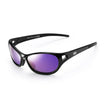
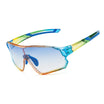
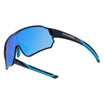


If you are new to cycling, sunglasses may seem like optional gear. But wind, dust, insects, glare, bright sunlight, and UV rays can quickly affect your comfort and vision on the bike. That is why many new riders ask: are photochromic glasses good for beginner cyclists?
For most beginners, yes. Photochromic cycling glasses are a practical choice because the lenses automatically adjust to changing light conditions. You can ride through sun, shade, cloudy days, and low light conditions with one pair instead of carrying multiple lenses.
They are especially useful for commuting, road cycling, weekend rides, mountain biking, and cycling adventures where light conditions change throughout the route. However, they are not perfect for every situation. This guide explains how photochromic lenses work, when they help, where they have limits, and how beginner cyclists can decide whether they are the right pair.
What Are Photochromic Lenses?
Photochromic lenses are adaptive lenses that change tint depending on light conditions. In bright sunlight or bright conditions, the lenses become darker. In low light, shade, cloudy days, or overcast conditions, they become lighter so more light can pass through.
You may also see them described as photochromic sunglasses, photochromic cycling glasses, photochromatic lenses, transition lenses, or adaptive lenses.
The goal is simple: photochromic lenses help your glasses adjust to varying light conditions.
This matters for cycling because a ride rarely stays in one type of light. You may start in low light, move into bright sunshine, pass under tree cover, ride through shade, and finish in full sun. Photochromic lenses make those changes easier to manage without stopping to change glasses or lens options.
For beginner cyclists, that simplicity can make a big difference.
How Do Photochromic Cycling Glasses Work?
Photochromic lenses respond to UV light and overall light conditions. When the lenses are exposed to UV rays and bright light, they darken. When the light is reduced, they gradually become clearer.
This adjustment helps control how much light reaches your eyes. In bright sunlight, the lenses reduce light transmission to improve comfort. In low light conditions, they allow more light through so you can see more clearly.
For example, if your ride starts early in the morning, the lenses may stay lighter because the sun is not strong yet. Later, when the ride takes you into bright conditions, the lenses darken. If clouds roll in or your route enters a shaded bike path, the lenses become lighter again.
This is why photochromic cycling glasses are useful for changing light conditions. They do not stay at the same level of tint all the time. Instead, they adapt based on the environment.
Why Beginner Cyclists Need Eye Protection
Many new cyclists think sunglasses are only needed on sunny days. In reality, cycling glasses do more than block the sun.
A good pair of cycling glasses or cycling sunglasses can help protect your eyes from harmful UV rays, bright sunlight, wind, dry eyes, dust, sand, road debris, insects, pollen, glare from cars or wet pavement, and sudden changes between shade and bright light. For mountain biking, glasses can also help shield your eyes from small branches or trail debris.
For beginner riders, clear vision is especially important. You are still learning how to handle the bike, watch traffic, read the road surface, and react to obstacles. Eye strain, glare, or poor visibility can make a ride feel more stressful than it needs to be.
That is why eye protection should be part of a beginner cycling gear setup. The right pair of glasses can improve comfort, visibility, and confidence.
Are Photochromic Glasses Good for Beginner Cyclists?
Yes, photochromic glasses are good for beginner cyclists in many common riding situations.
The biggest advantage is convenience. Beginner cyclists usually do not want to carry multiple lenses or decide between several lens options before every ride. Photochromic lenses make that decision easier because they automatically adjust to the light around you.
Photochromic cycling glasses are especially helpful if you ride at different times of day, commute in the morning or evening, ride through both shade and bright sunlight, often deal with cloudy days or overcast conditions, want one pair of glasses for most rides, or are buying your first pair of cycling sunglasses.
They also help protect your eyes from UV rays, wind, and road debris while keeping your vision more comfortable during changing light conditions.
For many beginner cyclists, photochromic sunglasses provide just the right amount of flexibility. They are not always the darkest option for extreme sun, and they are not always ideal for full night riding. But for everyday cycling, they are a versatile choice.
Photochromic Glasses vs Normal Sunglasses
Normal sunglasses have a fixed tint. This means the lenses stay the same whether you are riding in bright sunshine, shade, or low light.
That can be a problem for cycling.
A dark tint may feel comfortable in bright sunlight, but it can make it harder to see when your route moves into shade, tree cover, tunnels, or cloudy weather. A lighter tint may work well in low light conditions, but it may not provide enough comfort in full sun.
Photochromic sunglasses are different because they change based on light conditions. They become darker in bright light and lighter when there is less light.
For beginner cyclists, this makes them more practical than normal sunglasses for mixed routes. You do not need to stop and change glasses when the light changes. One pair can handle more conditions.
Photochromic Lenses vs Polarized Lenses
Beginner cyclists may also compare photochromic lenses with polarized lenses.
Polarized lenses are designed to reduce glare from reflective surfaces such as water, car windows, wet roads, or bright pavement. They can be useful in bright conditions where glare is strong.
Photochromic lenses, on the other hand, adjust their tint based on UV light and overall light conditions. Their main benefit is adapting to varying light conditions.
Both lens types can be useful, but they solve different problems.
If your main issue is glare, polarized lenses may help. If your main issue is changing light conditions, photochromic lenses are usually more versatile. Some riders prefer polarized sunglasses, while others prefer photochromic cycling glasses because they work across more everyday situations.
For beginner cyclists, photochromic lenses are often easier to use because they reduce the need to think about lens changes.
Understanding Visible Light Transmission
When comparing cycling glasses, you may see the term visible light transmission, often shortened to VLT. This refers to how much visible light passes through the lenses.
A higher visible light transmission means the lenses allow more light in. This is useful for low light conditions, cloudy days, shaded roads, and early morning rides.
A lower visible light transmission means the lenses block more light. This is better for bright sunlight, bright conditions, and full sun.
The light transmission range tells you how much the lenses can change. A wider light transmission range usually means the glasses can handle more riding conditions.
For beginner cyclists, this is useful to understand. If you ride in both low light and bright sunlight, look for photochromic lenses with a practical light transmission range. This helps ensure the glasses are not too dark in shade or too light in strong sun.
When Photochromic Cycling Glasses Work Best
Photochromic cycling glasses work best when your ride includes mixed or changing light conditions.
Commuting
Commuters often ride at different times of day. You may leave home in low light and return in bright sunshine. You may also ride through shaded streets, open roads, traffic, and reflective surfaces.
For this type of routine, one pair of photochromic sunglasses can be very practical.
Road Cycling
Road cycling often includes long rides through different environments. You may ride on open roads, tree-lined routes, hills, and changing weather. Photochromic lenses can help reduce eye strain and make it easier to see the road surface.
This can be helpful for spotting cracks, gravel, potholes, and other hazards.
Mountain Biking
Mountain biking often involves quick changes between shade and sun. Trails may move from forest cover to open bright light within seconds.
Photochromic cycling glasses can help in these conditions, but beginners should know that lenses do not change instantly. For technical mountain biking, secure fit, lens clarity, and coverage are still very important.
Weekend Rides and Long Rides
Many beginner cyclists ride casually on weekends. One ride may be sunny, another may be cloudy, and another may begin in low light.
On long rides, light conditions can change many times. The sun may get stronger, clouds may move in, or the route may shift between open roads and shaded areas.
Photochromic lenses help keep your vision comfortable for longer. Less glare, less squinting, and less eye strain can make long rides more enjoyable.
When Photochromic Glasses May Not Be Ideal
Photochromic glasses are useful, but they are not perfect for every rider or every ride.
Very Bright Sunlight
Some photochromic lenses may not become as dark as dedicated dark tint cycling sunglasses. If you often ride in very bright sunshine, desert areas, high-altitude routes, or full sun for hours, darker cycling sunglasses may feel more comfortable.
Full Night Riding
If you ride mostly at night, clear lenses are usually better. Photochromic lenses may become lighter in low light, but they may not provide the same brightness as fully clear night lenses.
Fast Light Changes
Photochromic lenses constantly adjust, but they do not change instantly. If you move very quickly between deep shade and bright light, especially during mountain biking, the lenses may need time to catch up.
Specific Glare Problems
If your main concern is glare from water, wet roads, or reflective pavement, polarized lenses may be worth considering. Photochromic lenses can reduce brightness, but they are not always designed specifically to reduce glare in the same way polarized lenses do.
What About Cyclists Who Wear Prescription Glasses?
If you wear prescription glasses, you still have options.
Some cyclists choose prescription cycling sunglasses. Others choose prescription lenses with photochromic technology. Some riders wear contact lenses with regular photochromic cycling glasses. Others use larger glasses designed to fit over prescription glasses.
For beginner cyclists, clear vision is critical. You need to see traffic, signs, turns, road texture, potholes, and other riders. If you need prescription glasses in daily life, do not ignore that need when cycling.
Before choosing prescription lenses or transition lenses for cycling, consider whether the glasses fit securely, whether the lens size gives enough coverage, whether the frame works with your helmet, whether the lenses provide UV protection, and whether they are comfortable for long rides.
A large lens or large frame can provide better coverage, but fit still matters. Glasses that slide, pinch, or interfere with your helmet can become distracting.
What Features Should Beginners Look For?
Secure Fit
Cycling glasses should fit securely and stay in place when you sweat, look down, or ride over rough pavement. They should not slide down your nose or bounce during the ride.
Lens Size and Coverage
A large lens can help protect your eyes from wind, sunlight, dust, and harmful UV rays. Many cycling glasses are specifically designed with wraparound coverage for better protection.
UV Protection
Look for protection from UV rays and harmful rays. UV protection matters on sunny days and cloudy days because UV rays can still reach your eyes when the sky is overcast.
Light Transmission Range
A useful light transmission range helps the lenses work across more conditions. This is especially important if your rides include both low light and bright sunlight.
Helmet and Cycling Cap Compatibility
The frame option should work with your helmet straps. If you wear a cycling cap, make sure the glasses fit comfortably with the cap and helmet.
Comfort on Long Rides
Comfort matters. Glasses that pinch, fog, or press behind your ears can become annoying during long rides. The right pair should feel stable but not tight.
Lens Clarity
Clear vision is more important than style. Lenses should help you see the road surface, traffic, and obstacles without distortion.
Common Mistakes Beginner Cyclists Make
Many beginner cyclists make the mistake of using normal sunglasses for every ride. Normal sunglasses may work for casual use, but they may not fit securely, provide enough coverage, or handle changing light conditions well.
Another mistake is choosing lenses that are too dark. A dark tint can feel good in bright sunlight, but it may reduce visibility in shade or low light conditions.
Some riders also assume photochromic lenses change instantly. They do not. They gradually become darker or lighter depending on UV light and overall light conditions.
A better approach is to think about your actual riding conditions. If your rides include changing light conditions, photochromic cycling glasses are often more practical than fixed-tint sunglasses.
Are Photochromic Glasses a Must-Have?
Photochromic glasses are not a must-have for every beginner cyclist, but they are a smart upgrade for many riders.
If you only ride at night, clear lenses may be better. If you only ride in intense bright sunlight, dedicated dark cycling sunglasses may be more comfortable. If you mainly need glare control, polarized lenses may be worth considering.
But if your rides include sun, shade, clouds, and different times of day, photochromic lenses are a versatile choice. They make cycling simpler by giving you one pair of glasses for many common conditions.
For new riders building their first cycling gear setup, that simplicity is valuable.
Final Answer: Should Beginner Cyclists Use Photochromic Glasses?
So, are photochromic glasses good for beginner cyclists?
Yes. For most beginner cyclists, photochromic glasses are a practical, comfortable, and versatile choice. They automatically adjust to changing light conditions, help protect against harmful UV rays, reduce eye strain, and make it easier to ride through bright sunlight, cloudy days, shade, and low light conditions.
They are not perfect for every ride. They may not get as dark as dedicated sunglasses in very bright sunshine, and they are usually not the best option for full night riding. But for commuting, road cycling, weekend rides, mountain biking, and mixed light conditions, photochromic cycling glasses can be one of the easiest ways for new riders to improve comfort and vision.
For beginners, the right pair of cycling glasses can make a big difference. Better eye protection helps you see the road more clearly, ride with more confidence, and enjoy more comfortable cycling adventures.
FAQ
Are photochromic glasses good for beginner cyclists?
Yes. Photochromic glasses are good for beginner cyclists because they automatically adjust to changing light conditions. They are useful for commuting, road cycling, weekend rides, and mixed weather.
Are photochromic sunglasses better than normal sunglasses for cycling?
Photochromic sunglasses are more versatile than normal sunglasses because they adjust based on light conditions. Normal sunglasses have a fixed tint, which may be too dark in shade or too light in full sun.
Are polarized lenses or photochromic lenses better for beginner cyclists?
They serve different purposes. Polarized lenses reduce glare, while photochromic lenses adjust to changing light conditions. For beginner cyclists, photochromic lenses are often more versatile for everyday rides.
Can I use photochromic glasses if I wear prescription glasses?
Yes. Riders who wear prescription glasses can choose prescription lenses with photochromic technology, prescription cycling sunglasses, or contact lenses with standard photochromic cycling glasses. Fit, coverage, and helmet compatibility are important.



Leave a comment
This site is protected by hCaptcha and the hCaptcha Privacy Policy and Terms of Service apply.