
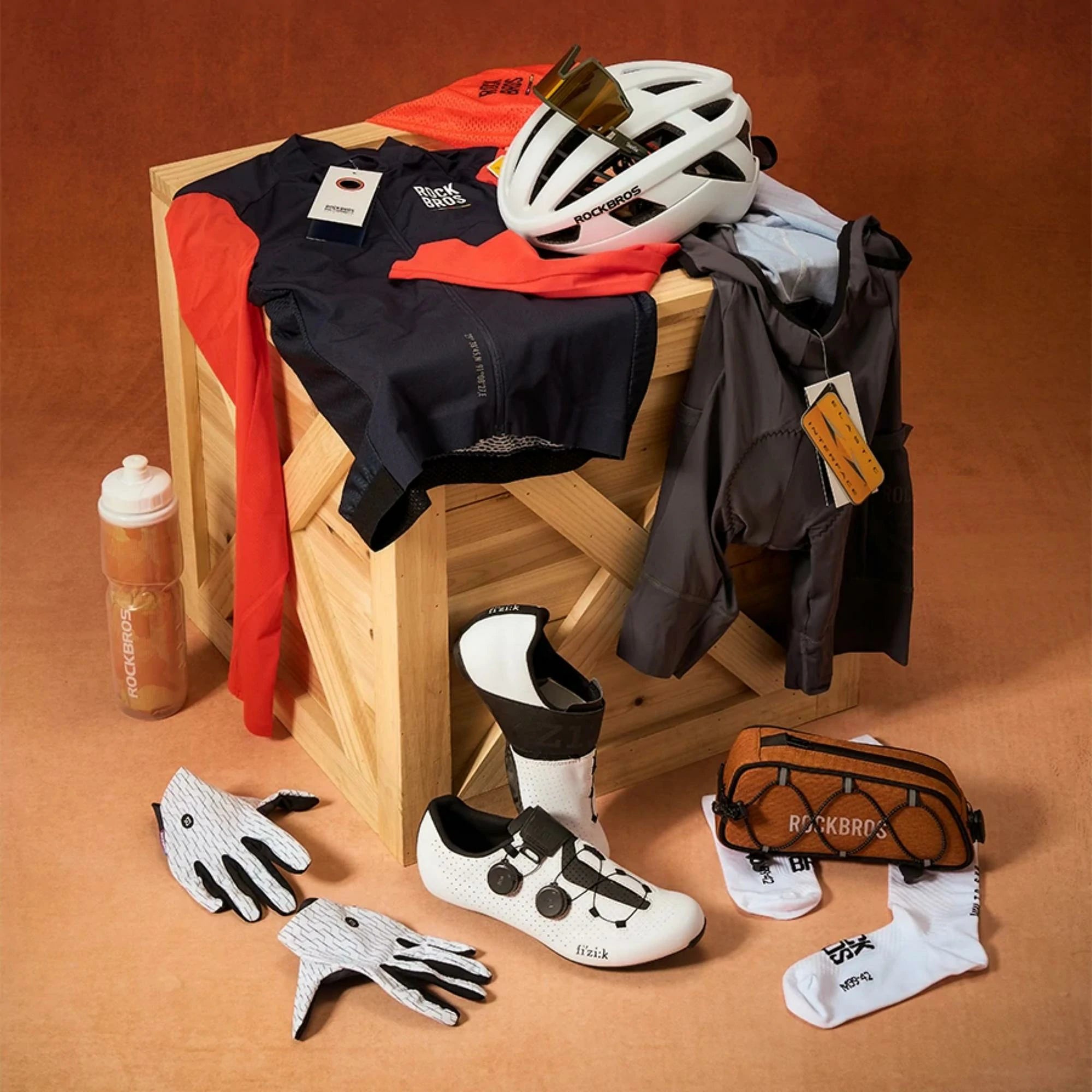
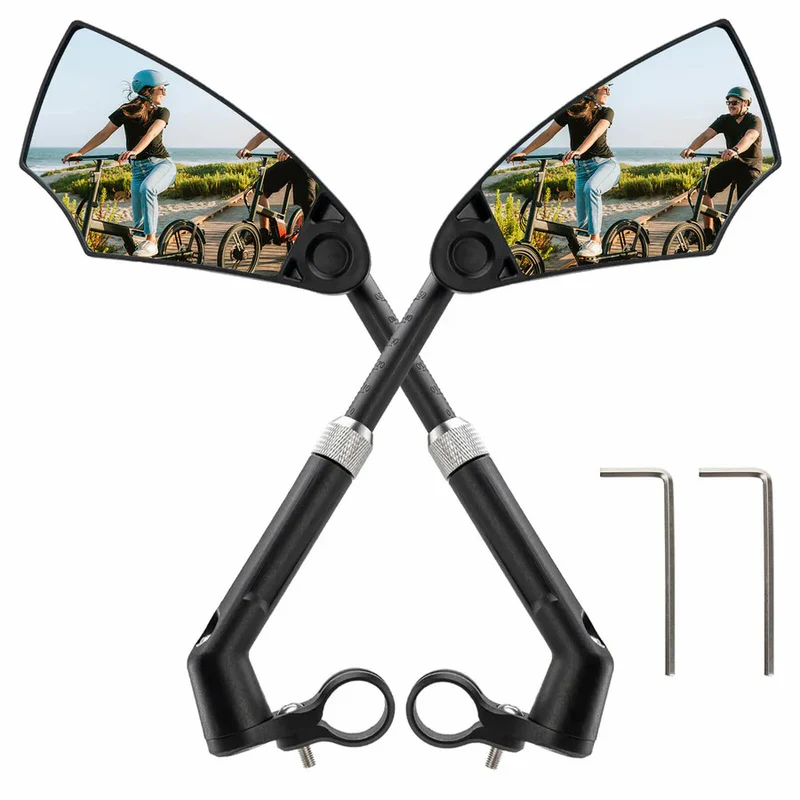
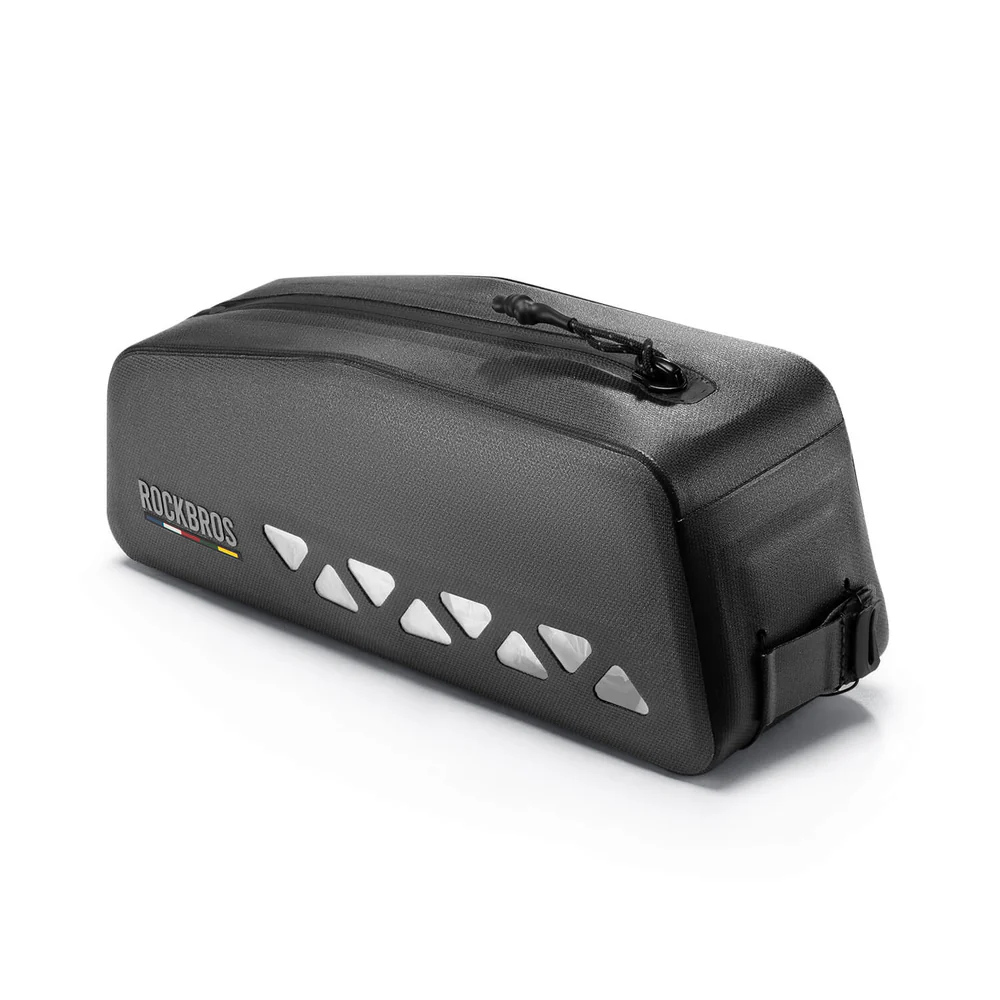
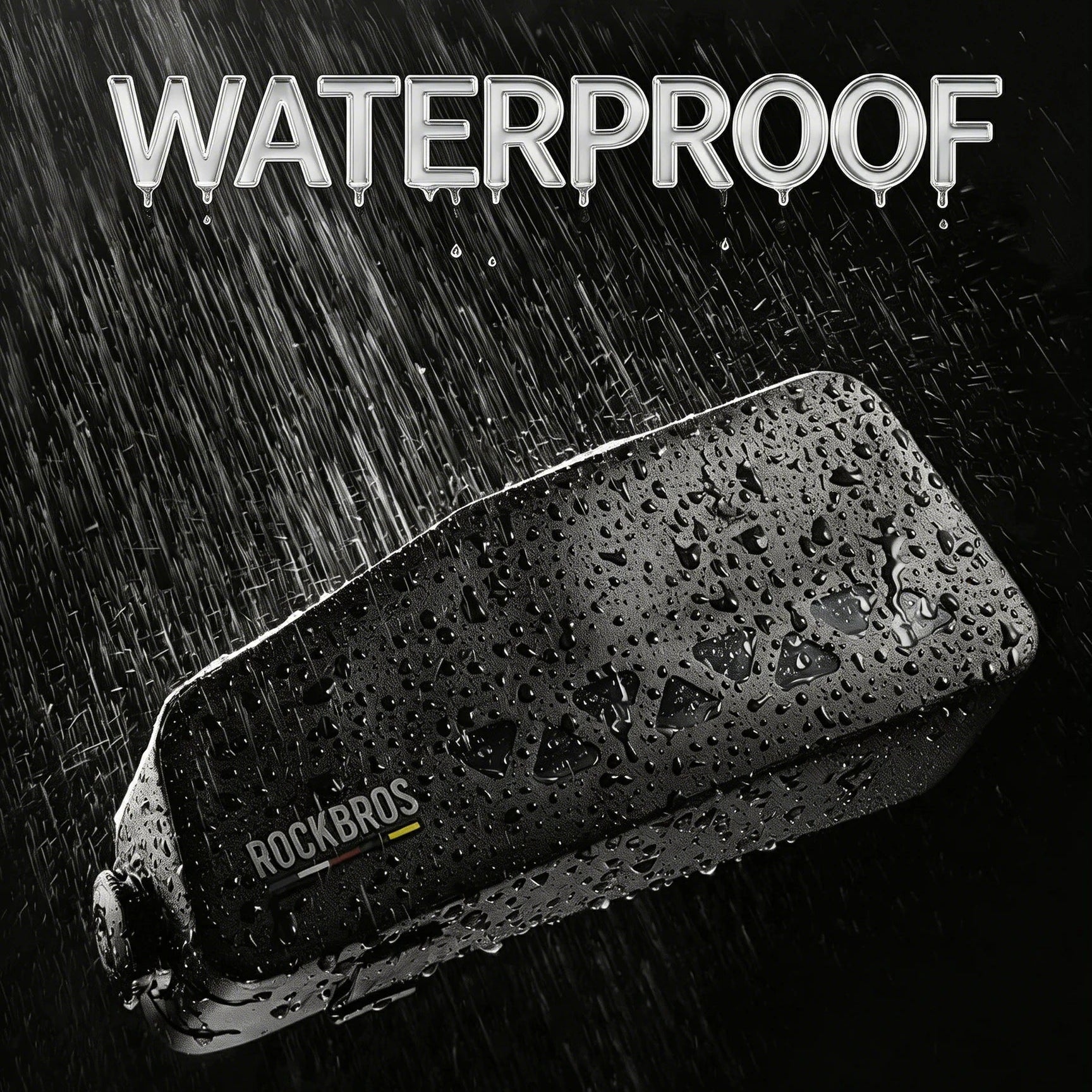


Compact Handlebar and Saddle Bags
If you only need to carry a few basic items—such as a multi-tool, a spare inner tube, or your keys—a compact handlebar bag is a great choice. They stay out of the way, ensuring your bike folds perfectly without having to remove your gear.
What to Look For Before You Order
Not all bags are created equal. Before you check the stock and place an order, consider these critical features to ensure you get the best price and performance:
-
Correct Dimensions: Always check the dimensions! A bag designed for a 14-inch wheel might not fit a 20-inch model. Ensure the bag provides a snug fit so the bike doesn't shift around.
-
Durability and Materials: A reliable bike travel bag should be made from abrasion-resistant fabrics. When handling the bag, it should feel tough enough to handle the daily grind of city road commuting.
-
Comfortable Straps: Since you will carry the weight of the bike, look for bags with wide, padded shoulder straps that distribute the load evenly.
Gravel Bike Fork Bag: Complete 2026 Guide to Front Fork Packs for Wet, Rough Riding
A gravel bike fork bag may be the most underrated piece of bikepacking luggage available to modern riders. These compact packs mount directly to your fork legs, positioning weight low and forward where it benefits handling rather than fighting against it. For riders tackling the wet, muddy conditions common to Seattle and the broader Pacific Northwest, a properly waterproofed fork pack isn’t optional—it’s essential gear.
Key Takeaways
-
A gravel bike fork bag adds 3–6 L of low-center storage per side, ideal for dense items like tools, food, and repair kits on bikepacking trips and mixed commuting rides.
-
Waterproof construction with IPX6+ ratings and roll-top closures is nearly mandatory for PNW spring riding, where March–April rainfall averages 140–170 mm with frequent muddy roads.
-
ROCKBROS fork bags deliver stability, waterproofing, and practical capacity at roughly 1/3–1/2 the price of premium brands like Ortlieb, Tailfin, or Revelate Designs—trading minimal weight savings for substantial value.
-
Front fork packs improve handling by moving heavier, compact items low and forward, reducing sway compared with overstuffed handlebar or saddle bags.
-
This guide covers step-by-step installation, packing strategies, and product selection criteria to help you choose the best gravel bike fork bag for 2026.
What Is a Gravel Bike Fork Bag?
A gravel bike fork bag—also called a front fork pack—is a compact, typically 3–6 L waterproof bag designed to mount on your front fork legs. These bags attach via 3-pack bosses (three M5 threaded mounting points spaced approximately 64mm apart) or universal straps, carrying dense gear on gravel and mixed-surface rides.
Three main types exist in the 2026 market:
|
Type |
Description |
Best For |
|---|---|---|
|
Soft bags with cargo cage |
Separate dry bag paired with bolt-on cage |
Modular setups, budget flexibility |
|
Integrated QR systems |
Quick-release clamp with proprietary adapter |
Fast on/off, daily commuters |
|
Roll-top strap-on bags |
Cinched directly to fork with wide straps |
Older forks, carbon without bosses |
Typical use cases include overnight gravel bikepacking, weekend touring around the PNW, and daily commuting where riders want tools, locks, or spare clothes off their back. Modern gravel bikes from brands like Giant, Cannondale, and ENVE now include triple fork mounts as standard, while older or carbon forks require strap-on solutions with rubber protection patches.
Unlike frame bags that occupy your main triangle or handlebar rolls that sit high and forward, fork bags position weight low near the wheel axle, minimizing steering interference while keeping items within relatively easy access.
Why Use a Front Fork Pack on a Gravel Bike?
The primary reasons center on improved weight distribution, extra capacity without racks, and better comfort for long gravel or wet-weather rides. Here’s why experienced riders increasingly rely on fork packs:
-
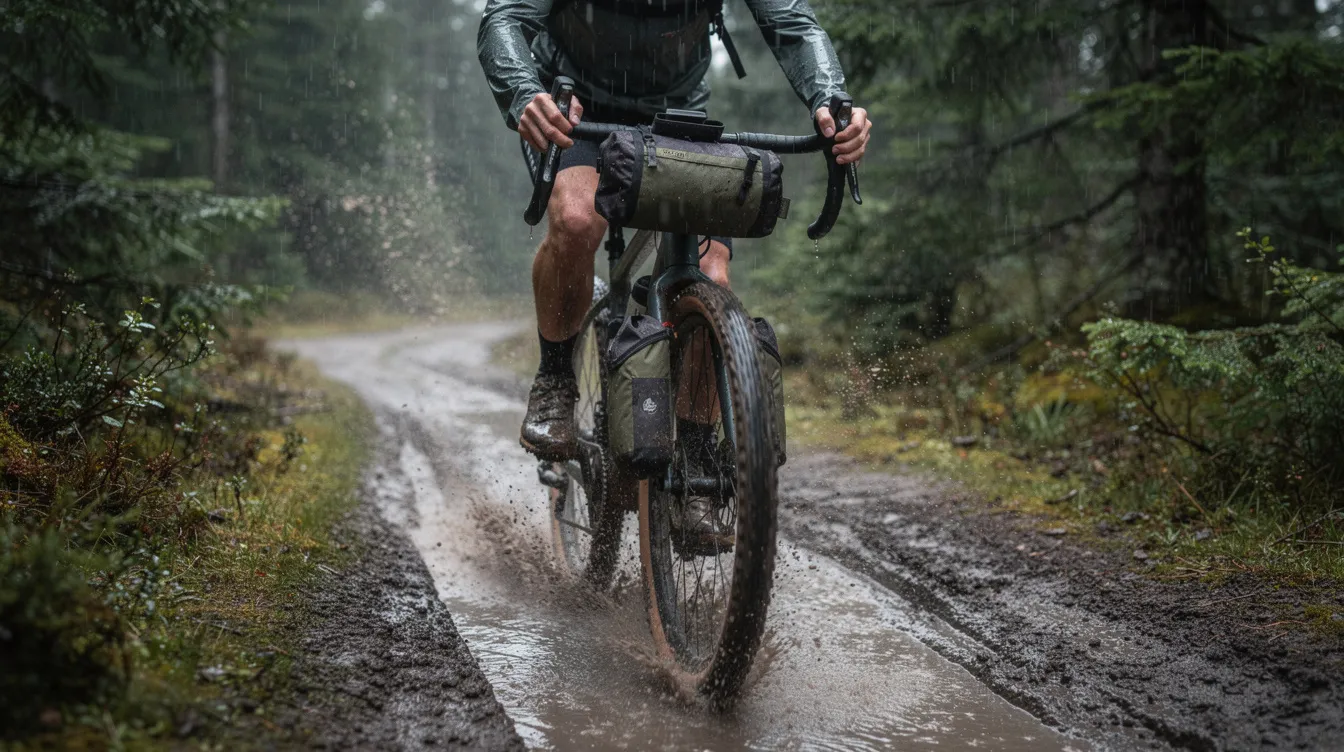
Low center of gravity: Placing 1.5–3 kg low on the fork keeps bikes more stable on washboard gravel, potholes, and Seattle’s wet, broken pavement. This load position creates less sway than piling weight high at the bars or saddle.
-
Range extension: Fork bags add 6–12 L total capacity (both sides) for food, stove, clothes, or repair kit—often eliminating the need for bulky racks on modern gravel bikes designed for lighter, faster touring.
-
Weather protection for commuters: During typical March–April PNW conditions with near-daily drizzle, road spray, and fine grit, a sealed fork pack keeps work clothes, gloves, or spare layers dry and clean while segregating dirty gear from your main bag.
-
Handling benefits: Heavy bar load can cause wheel flop on technical gravel descents. Well-packed fork bags allow more neutral steering by shifting bulk away from the cockpit.
-
Frame space recovery: Fork bags prove especially helpful on bikes with limited frame triangle space—small sizes, sloping top tubes, or full-suspension gravel setups where bottle cages and frame bags compete for room.
Key Features of a High-Quality Gravel Bike Fork Bag (2026)
When evaluating the best gravel bike fork bag 2026 options, prioritize waterproofing, stability, and value over extreme ultralight weight. Use this checklist:
Waterproofing: Look for TPU-coated fabrics, welded seams, and roll-top closures achieving IPX6+ ratings. This level handles hours of side spray on long, rainy PNW rides and occasional puddle submersion without letting moisture through.
Capacity: The 3–6 L per side range suits most gravel riders. A 4L bag typically fits a compact stove, gas canister, and a day’s food—or a full repair kit plus warm mid-layer.
Mounting interface: Bolt-on 3-pack mounts offer maximum stability for compatible forks. Universal strap systems work on smooth carbon forks but require wide, non-slip straps and protective backing to prevent damage and shifting.
Stability on rough terrain: Rigid back panels, compression straps, and anti-sway geometry prevent bag movement on washboard or forest-road descents at typical gravel speeds of 25–40 km/h.
Durability: Abrasion-resistant outer materials (600D–840D nylon with TPU coating), reinforced bases for rock strikes, and quality buckles that close securely with wet gloves extend service life through years of normal wear.
Weight vs. price: High-end systems save 50–150 g but cost 2–3× more. For real-world riders rather than elite racers, accepting slightly heavier but highly durable construction makes financial sense.
Accessibility: Easy opening with cold or gloved hands, quick removal from mounts for security, and reflective details for visibility on dim PNW days all improve daily usability.
Gravel Bike Fork Bag vs Other Luggage Options
Fork packs complement rather than replace frame bags, saddle bags, and handlebar rolls on a fully packed gravel bikepacking setup. Understanding the difference helps optimize your configuration:
|
Luggage Type |
Advantages |
Limitations |
|---|---|---|
|
Fork bags |
Low weight position, stable handling |
Limited to dense items |
|
Frame bags |
Central load, easy access |
Reduces bottle space |
|
Saddle bags |
High capacity (10–16 L) |
Can sway if overpacked |
|
Handlebar bags |
Quick access to snacks/layers |
May affect steering, bar clearance |
|
Panniers + racks |
Massive capacity |
Adds 500g+ weight, complexity |
Frame bags keep weight central but crowd bottle cages. Fork bags restore that space, particularly valuable on smaller gravel frames. Large seat packs can sway on steep, loose climbs; fork bags carry part of that weight lower and closer to the steering axis.
Sample configuration for a 3-day Oregon/Washington April trip: 2 × 4L fork bags (tools, food) + 6–8L frame bag + 10L saddle bag. This leaves the handlebar relatively uncluttered for confident control on technical terrain.
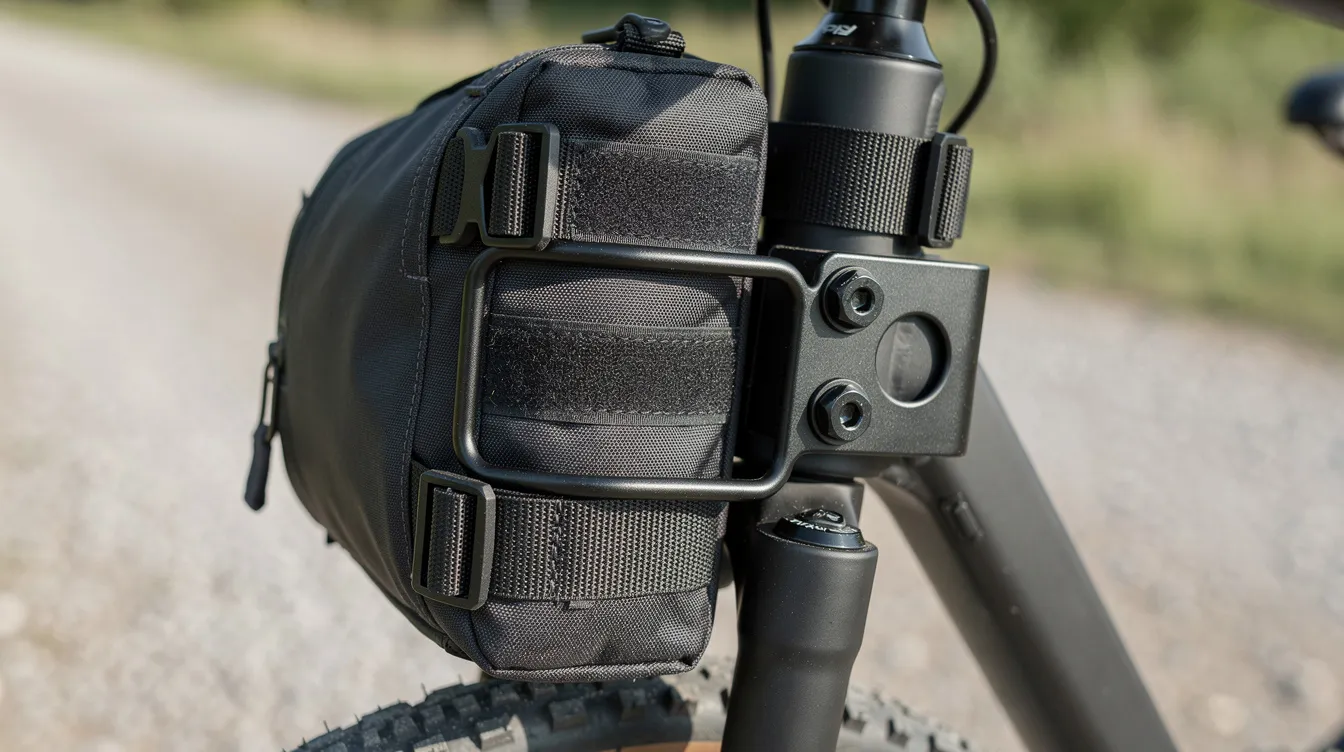
Choosing the Best Gravel Bike Fork Bag 2026
Match your fork pack choice to your fork type, riding style, and typical weather. Focus on realistic options rather than exclusively high-end boutique gear.
Fork compatibility: Check for 3-pack boss spacing (standard ~64mm), fork materials (aluminum vs carbon), and manufacturer weight limits. Many 2024–2026 gravel bikes include these mounts by default.
Capacity by scenario:
-
Daily commuting with tools and rain shell: 3–4 L
-
Weekend bikepacking: 4–5 L
-
Cooking gear or cold-weather clothing: 5–6 L
Weather and region: Seattle and broader PNW riders face frequent light rain, wet gravel, and temperature swings between 5–15°C in March–April. Higher waterproof ratings and easy-to-wipe fabrics matter here.
Budget considerations: Premium fork pack systems often exceed $200 per pair. ROCKBROS offers similar waterproofing and stability in the 1/3–1/2 price range, making quality fork packs accessible to more riders.
Weight versus robustness: An extra 80–150 g is an acceptable trade-off for thicker fabrics and reliable buckles that survive years of rough travel without tear or workmanship issues.
Daily use practicality: Designs that mount once and allow quick bag removal work best for riders who lock bikes in public racks in cities like Seattle, Portland, or Vancouver.
Decision example: A PNW commuter with a carbon gravel fork lacking bosses should prioritize sturdy strap-on mounts, full-coverage protection patches, and lighter packing to stay within safe weight limits.
ROCKBROS Gravel Bike Fork Packs: Value-Focused Alternatives to Premium Brands
ROCKBROS designs fork bags to deliver high waterproof performance, secure mounting, and practical 3–6 L volumes at budget-friendly prices. These target real-world gravel riders rather than ultra-light racing specialists seeking minimal weight at any cost.
Waterproof construction: TPU-laminated fabrics, welded seams, and roll-top closures aim for IPX6+ performance—ideal for long, wet days on PNW forest roads where bags face hours of side spray and grit.
Mounting options: Compatible with standard 3-pack fork mounts using M5 screws as well as strap-based kits for forks without bosses. Non-slip backing and wide, grippy straps protect carbon without marring surfaces.
Capacity and use cases: ROCKBROS gravel fork bags typically fall in the 3–6 L range—ideal for tool kits, spare tubes, mini pump, compact stove, food for a full day, or a compressible jacket for chilly April evenings.
Stability and ride feel: Reinforced backs and compression straps keep bags tight to the fork, minimizing sway on rocky singletrack or washboard gravel at typical riding speeds.
Price-to-performance: Similar waterproof protection and day-to-day function as Ortlieb, Tailfin, and Revelate Designs at about 1/3–1/2 of retail price. Not the absolute lightest, but an excellent balance of durability and cost.
Service and logistics: ROCKBROS offers global e-commerce with 2–3 working day shipping in Germany via Rockbros Sport GmbH, free shipping and returns where eligible, and 24-hour email reply on working days. Contact customer service for any request regarding specifications, warranty, or replacement parts.
Visit the ROCKBROS shop to explore fork bags, frame bags, and new products in the gravel bikepacking category.
How to Install a Front Fork Bag on a Gravel Bike
Proper installation prevents frame damage and ensures long-term stability. Follow these instructions based on your mounting system:
Preparation
-
Clean fork legs thoroughly
-
Verify 3-pack bosses if present
-
Check torque recommendations from fork manufacturer (typically 4–6 Nm for carbon forks)
-
Gather tools: 4/5mm hex keys, torque wrench, assembly paste, protective tape
Bolt-On Installation (3-Pack Bosses)
-
Align cage or mounting plate with bosses
-
Apply small amount of assembly paste if recommended
-
Tighten M5 bolts incrementally to specified torque
-
Check clearance to tire and brake caliper
Strap-On Installation (No Bosses)
-
Apply protective rubber or clear frame-protection tape under strap contact points
-
Route two or three wide straps to create a grip that prevents slipping
-
Cinch straps firmly, keeping the bag tight to the fork leg
Bag Attachment and Safety Checks
-
Slide or clip the fork bag onto its cage or adapter
-
Engage buckles or quick-release mechanisms
-
Compress load with side straps to reduce movement
-
Verify adjustments with fork fully turned left and right
-
Confirm front wheels rotate freely and disk brake hose isn’t pinched
First ride test: Complete a 10–20 km shakedown on mixed terrain. Listen for rattles, check for interference, then retorque bolts after this initial ride and again after your first long adventure.
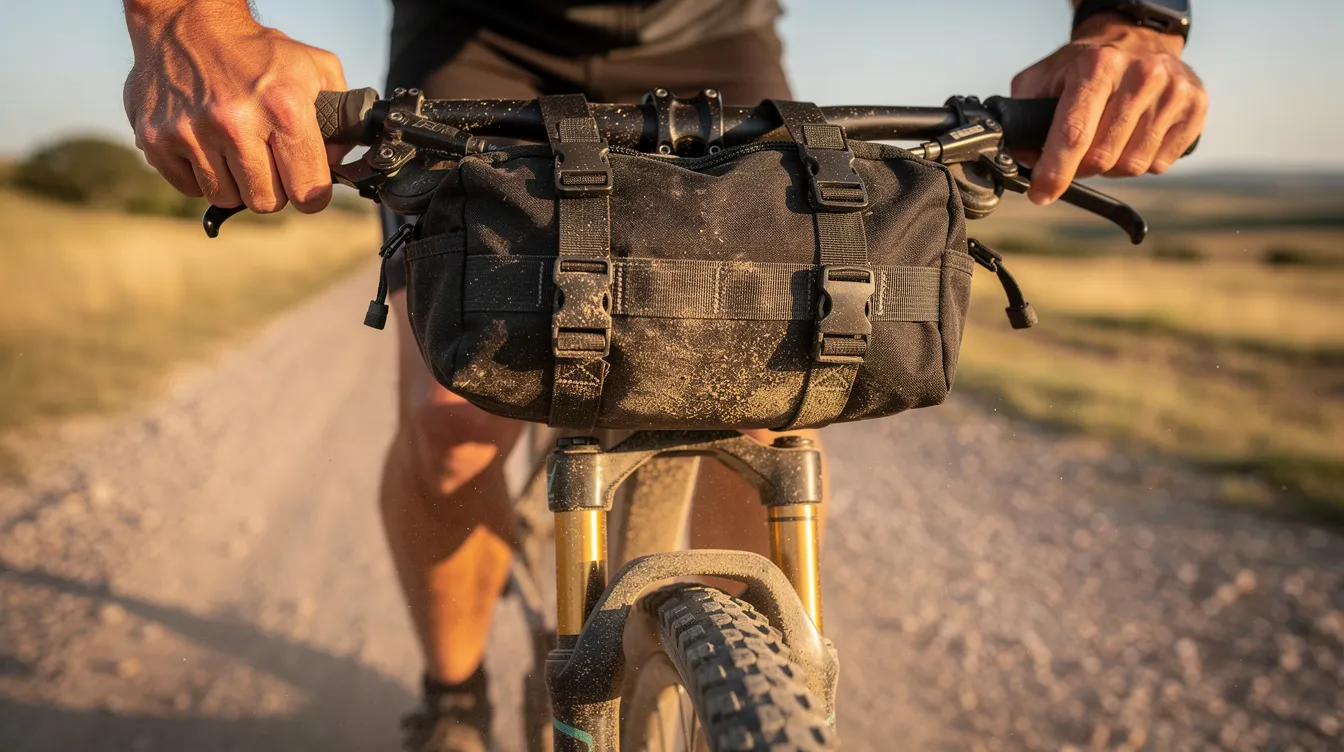
Packing Strategy: What to Carry in a Gravel Bike Fork Bag
Optimal packing improves both ride feel and convenience. Fork bags work best for dense, non-fragile items rather than electronics or stuff needed every few minutes.
Ideal items: Multi-tool, spare tubes, tire levers, compact mini pump, tubeless repair kit, small first-aid kit, cooking gear, or heavy food like dense dehydrated meals.
Wet-weather considerations: For PNW spring rides, place items requiring perfect dryness (extra gloves, socks, thermal base layer) inside inner dry sacks for quick identification.
Balance between sides: Split similar weights between both fork legs to maintain balance and avoid steering bias. Stay within 2–3 kg per side depending on fork specifications.
Access priority: Rarely needed emergency tools can go deeper; daily-use items may ride better in top-tube bags for faster access.
Protecting fragile items: Avoid placing delicate electronics directly against outer walls. Wrap in clothing or use padded pouches if such items must travel in the fork pack.
Example setup for Seattle-Snoqualmie overnight in April: 4L per side containing multi-tool, tubeless kit, levers, mini pump, dehydrated meals, rain shell, and extra warm layer.
Front Fork Packs for Seattle & PNW Conditions
Seattle and broader PNW riding presents specific challenges: March–April brings 140–170 mm monthly rainfall, frequent drizzle days, and muddy gravel roads throughout the Cascades and coastal ranges.
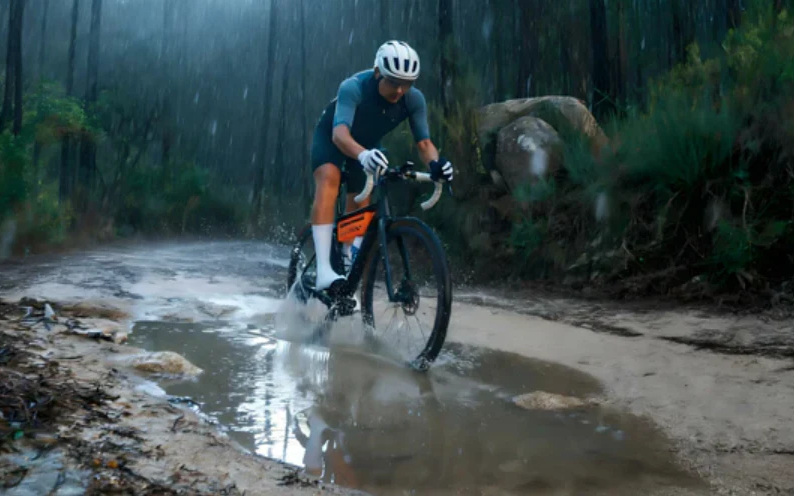
Waterproofing needs: Extended exposure to fine drizzle, road spray, and mud overwhelms lightly water-resistant bags. Fully welded, roll-top fork bags with IPX6 or better performance handle this region’s demands.
Mud management: Choose fork bags with smooth, easy-to-rinse exteriors and minimal external pockets that trap grit. Dark colors with reflective accents improve visibility on dim, rainy commuting days.
Temperature and layering: Fork bags help carry extra gloves, mid-layers, and waterproof shells that riders add and remove as temperatures swing between morning and afternoon.
Mixed commuting: A typical gravel towpath plus wet city streets route benefits from fork bag organization—keeping lock, repair kit, and spare socks separate from work bag ensures wet and dirty gear stays isolated.
Corrosion prevention: Constant moisture and road salt can corrode bolts and buckles. Periodic rinsing, thorough drying, and light lubrication on metal parts extend system life.
ROCKBROS focuses on high-waterproof materials and robust construction aimed at these demanding conditions while keeping regular price points accessible for everyday riders.
Maintenance and Longevity of Gravel Fork Bags
Proper care significantly extends fork bag service life, especially when frequently exposed to mud, grit, and UV common to PNW riding.
-
Cleaning after wet rides: Rinse mud and road salt with lukewarm water; use soft brushes around seams and buckles. Avoid harsh solvents that damage TPU coating.
-
Drying and storage: Fully dry bags with roll-top open in ventilated space. Never store while damp—this causes mildew and odors.
-
Inspecting wear points: Periodically check strap attachment points, bolt holes, and corners for abrasion. Patch cuts with compatible repair kits.
-
Hardware checks: Retighten cage bolts, inspect buckle and strap stitching, request replacement for worn components before long trips.
-
Seasonal routine: Complete an end-of-spring check after wet months and another after summer bikepacking season to keep bags ready for autumn adventure.
Frequently Asked Questions
Can I mount a gravel bike fork bag on a carbon fork?
Many modern carbon gravel forks include 3-pack mounts rated for specific weight limits—these are safe when you respect torque specifications (typically 4–6 Nm) and load ratings. On carbon forks without bosses, use only wide, purpose-built straps with protective rubber underneath. Always check manufacturer documentation for maximum accessory weight per side and any warnings against direct clamping.
How much weight can I safely carry in each fork bag?
Most gravel forks with 3-pack bosses are rated for approximately 3–5 kg per side including cage and bag, though exact limits vary by model. For rough gravel riding, stay conservatively under published limits—around 2–3 kg per side reduces stress on fork and mounting hardware. Distribute weight symmetrically to maintain stand and handling balance.
Are fork bags stable enough for rough singletrack and descents?
A properly installed fork pack with rigid back panel, tightly cinched compression straps, and correctly torqued bolts can be very stable, even on rocky trails at gravel width clearance speeds. Perform a short test ride over rough ground after packing, checking for rattles and tire or brake clearance. Note that extremely aggressive enduro-style terrain may still favor traditional frame plus backpack setups.
How do ROCKBROS fork packs compare to premium brands in real use?
Premium brands prioritize minimal weight and refined hardware, while ROCKBROS focuses on robust waterproofing, reliable mounting, and practical capacity at much lower cost. For most gravel riders, commuters, and weekend bikepackers, ROCKBROS delivers similar day-to-day functionality at about 1/3–1/2 the price. Riders chasing absolute lightest setups may choose ultra-high-end systems, but many find ROCKBROS the more sensible, value-oriented choice at checkout.
Do I really need a fork bag if I already have a frame and saddle bag?
Short day rides may need only a frame bag and small saddle bag. Fork packs become valuable when adding overnight gear, cooking equipment, extra water, or extensive wet-weather layers. They reduce overstuffing of saddle or bar bags—improving handling and making packing less frustrating. PNW riders particularly appreciate the ability to carry extra dry layers during the long rainy season without overloading other luggage. The quantity of gear for multi-day touring almost always justifies adding fork bags to your system.

Leave a comment
This site is protected by hCaptcha and the hCaptcha Privacy Policy and Terms of Service apply.