



Imagine gearing up for your morning bike ride to the office or preparing for an off-road weekend adventure. You need to carry a laptop, your lunch, extra clothes, and maybe a water bottle. The age-old question immediately arises: should you strap a rucksack to your body, or mount pannier bags to a bike rack?
This debate—backpack vs panniers—is a rite of passage for anyone involved in cycle commuting. For the urban professional on a sleek road bike or a compact folding bike, agility and off-bike convenience are key. However, for the rider embarking on longer trips or doing grocery shopping, maximizing carrying capacity and achieving more comfort are paramount. In this comprehensive guide, we will break down how to carry your stuff efficiently, enhancing your overall riding experience.
The Great Debate: Why Your Choice Matters
How you choose to pack your belongings fundamentally alters your ride. It is not just about having more space; it is about weight distribution, balance, and how you interact with your bicycle.
When you wear a back pack, all the weight is placed entirely on your shoulders and spine. This raises your overall center of gravity but keeps your bicycle feeling light and nimble beneath you. Conversely, when you use a rear rack and most panniers, the total weight is shifted to the bike, specifically over the rear wheels. This frees your body from the physical load, preventing you from feeling weighed down, but it naturally changes the way your bicycle handles. Understanding these dynamics is crucial before deciding how to carry your stuff.
Cycling Backpacks: The Quick and Agile Option
A good backpack or a classic messenger bag is the default choice for many beginners taking shorter trips. It requires absolutely zero installation. But how does a pack hold up to rigorous daily cycling?
Pros of a Backpack
-
Off-Bike Convenience: The single biggest advantage of a small backpack or even a large backpack is off-bike portability. Whether you are running errands or walking into a café, your belongings stay conveniently with you.
-
Superior Speed and Handling: Because the bike itself carries no extra bulk, your steering remains highly responsive. You can easily navigate city traffic and maintain speed.
-
Natural Shock Absorption: If you carry fragile tech like a laptop, your legs and core act as natural suspension, protecting your gear much better than rigid bags attached to a frame.
Cons of a Backpack
-
The Sweaty Back: This is the most universal complaint. No matter how breathable the mesh is, having a bag pressed against you traps heat, leaving you sweaty and drenched in sweat by the time you arrive.
-
Physical Discomfort: The shoulder straps of a heavily loaded bag can dig into your shoulders, causing discomfort and lower back pain. For heavier loads, a backpack simply isn't ergonomic.
-
Higher Center of Gravity: Standing up to pedal can feel top-heavy and awkward.
Pannier Bags: The Heavy-Duty Hauler
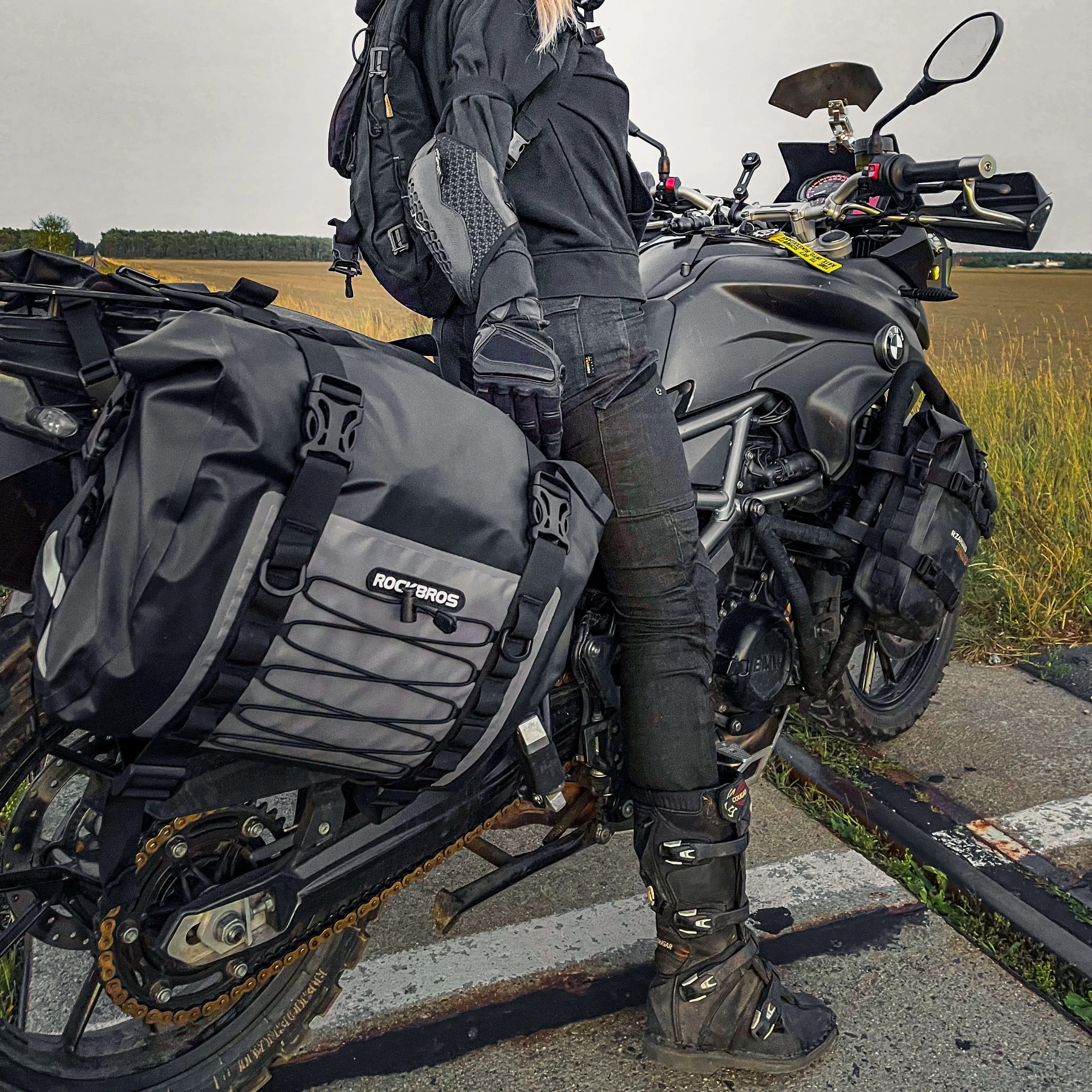
Panniers are specialized cycling bags that attach securely to a pannier rack. They are the gold standard for long-distance bike touring and are highly favored by seasoned commuters.
Pros of Panniers
-
Zero Body Strain: Letting your bike do the heavy lifting provides significantly more comfort. Without straps digging into your body, your posture improves, and your back stays sweat-free.
-
Massive Carrying Capacity: If you need to haul groceries, a bulky sleeping bag, or just more stuff in general, pannier bags are unmatched. You can run dual bags for maximum capacity.
-
Lower Center of Gravity: Hanging low beside the rear wheels, they anchor the bike, making cruising on an e bike or a sturdy gravel bike feel incredibly stable.
Cons of Panniers
-
Altered Handling: A loaded bike rack makes the tail of your bike heavy, which can make acceleration slightly more sluggish.
-
Less Convenient Off-Bike: While modern bags have quick-release clips, carrying two bulky bags into an office is rarely as convenient as wearing a backpack.
-
Requires Hardware: You must install a rear rack to use them.
Backpack vs. Panniers: Making the Choice
For Shorter Trips and Commuting
If your commute is short, you ride a lightweight road bike, and you only carry a laptop and a few essentials, a backpack is likely your best bet. It is convenient and requires no bike modifications.
For Longer Trips and Heavier Loads
If you carry heavy gear, do grocery shopping by bike, or embark on a long ride, panniers are the superior choice. Arriving at your destination fresh and without shoulder pain makes the investment worthwhile.
The Hybrid Approach: Best of Both Worlds
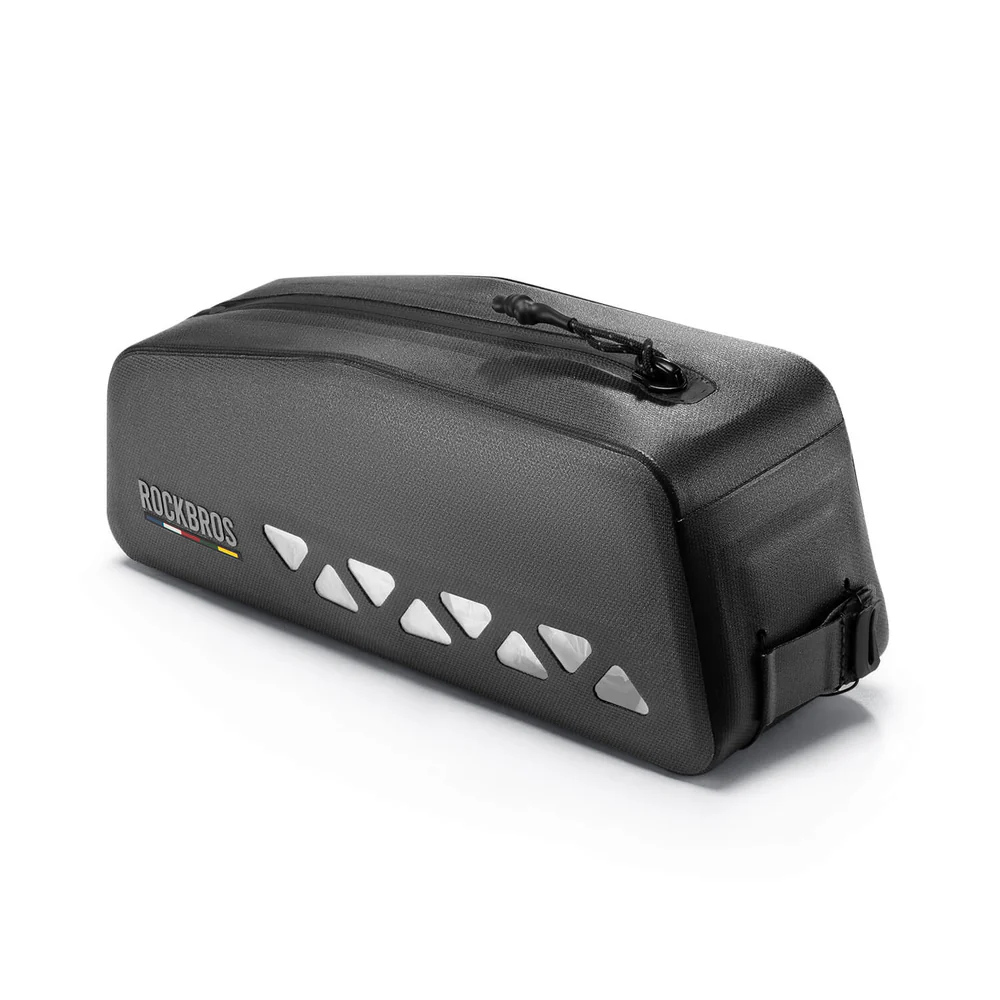
Ultimately, deciding how to carry things comes down to personal preference. Some riders prefer a hybrid approach that exclusively utilizes the rear rack area. You can use a single side pannier for your clothes and a top-mounted trunk bag for your lunch and tools.
The market also offers innovative convertible options—pannier backpacks (similar to the famous Arkel Bug design)—which seamlessly transition from pannier mode while riding to a wearable backpack when you step off the bike.
Top Gear Recommendations from ROCKBROS
At ROCKBROS, we engineer premium gear to handle everything from urban commuting to off-road expeditions. Every bike bag we create is designed with extreme durability, generous capacity, and rider comfort in mind.
If you are tired of the sweat and physical strain, and want to transition to a heavy-duty carrying system, exploring our dedicated Pannier Rack Bags Collection is your perfect next step.
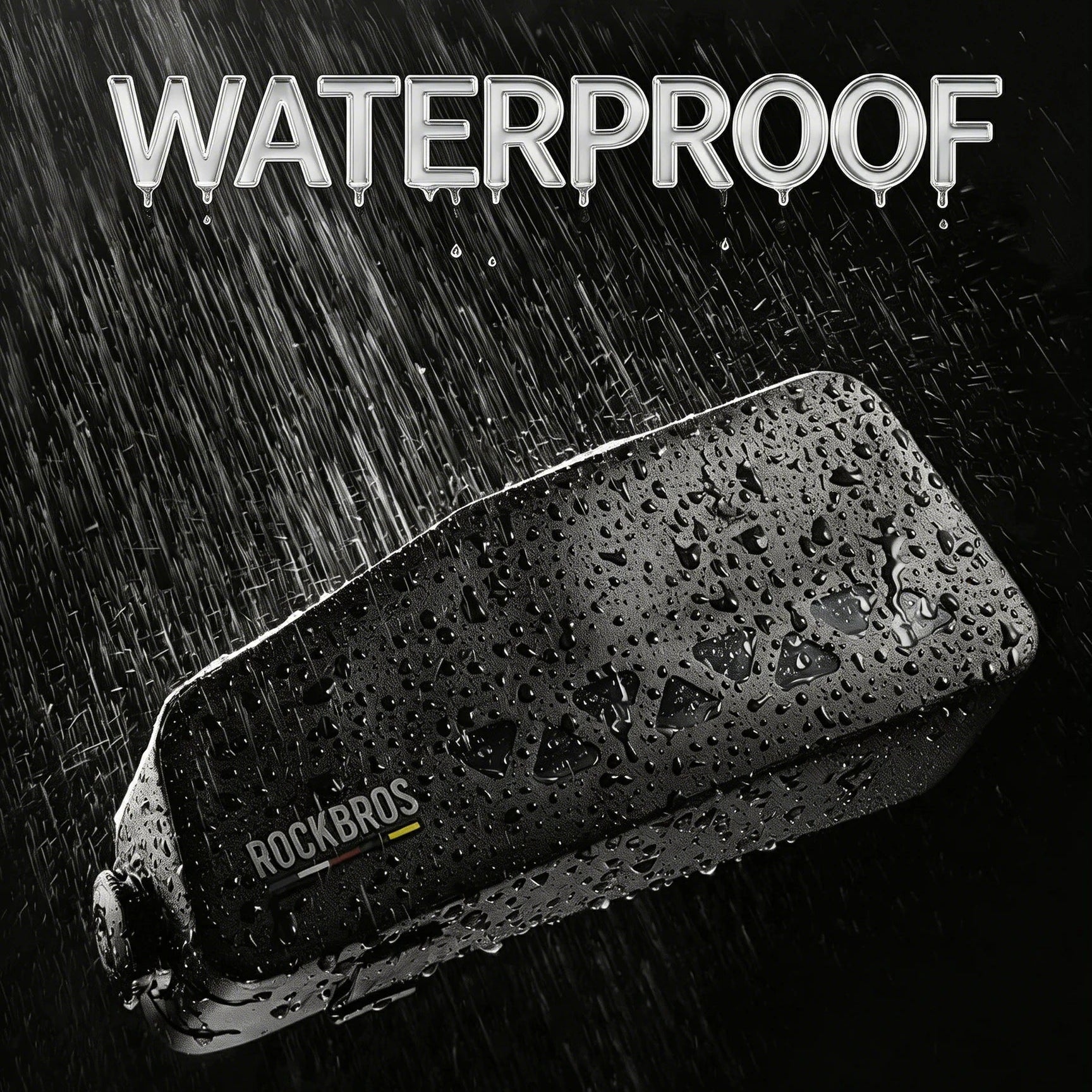
Our high-capacity panniers and durable trunk bags are designed to handle the elements. With 100% waterproof materials, secure mounting systems, and multiple pockets for organization, they ensure your laptop, extra clothes, and groceries stay completely dry and balanced over your rear wheels. Let your bike carry the load so you can focus purely on the joy of riding!
Frequently Asked Questions (FAQs)
1. Is a backpack or panniers better for an e-bike? Because an e bike handles heavier loads effortlessly and often comes with a built-in rear rack, panniers are usually the better choice. You can maximize your carrying capacity without worrying about the extra weight slowing your speed.
2. Can I use panniers on a folding bike? Yes, but you must be careful about heel clearance. Because a folding bike has smaller wheels and a shorter frame, you need specifically designed smaller panniers so your heels don't strike the bag while pedaling.
3. Are convertible pannier backpacks a good idea? Yes! Convertible pannier backpacks are incredibly convenient for cycle commuting. They allow you to attach the bag to your rack in pannier mode to avoid a sweaty back, then quickly pull out the shoulder straps to wear it like a normal rucksack when you reach your destination.
4. How do I keep my stuff safe from the rain? Whether you prefer a backpack or pannier bags, always look for gear explicitly labeled as waterproof. High-quality waterproof bags with roll-top closures will ensure your tech and clothes stay completely dry during unexpected downpours.
5. Does carrying all the weight in a trunk bag throw off your balance? A trunk bag sits directly on top of the pannier rack. While it does raise the center of gravity slightly more than side-hanging panniers, it keeps the weight perfectly centered along the bike's frame, making it a very stable option for moderate loads.


Leave a comment
This site is protected by hCaptcha and the hCaptcha Privacy Policy and Terms of Service apply.