








Why Many Riders Move Beyond Basic Folding Bikes
A lot of modern folding bikes are built with convenience first. That is not a bad thing. If your only priority is a compact bike for occasional use, many folding bikes will do the job.
But daily riding exposes the weak points fast:
- rough pavement feels harsh
- smaller wheels can feel nervous at speed
- simple setups with rim brakes may feel limiting in traffic or wet conditions
- short urban trips are fine, but longer rides start to feel less comfortable
That is why many riders eventually compare basic folders with a full size bike and ask whether the convenience is worth the trade-off.
Instead of feeling like a compromise-first machine, it is designed to deliver a more stable, more comfortable, and more confident daily ride than many basic folding-bike setups. ROCKBROS positions it around comfort-oriented ride feel and a reinforced folding structure designed for durability and stability, even on rough, unpaved roads.
What Makes This Steel Folding Bike Different?

The biggest difference is not just that it folds. Plenty of bikes fold. The real difference is how this bike is built, and what that means for everyday riders.
A Steel Frame With More Character
The Gravis uses a 4130 Cr-Mo steel frame with LUG construction, paired with a 4130 high-strength steel fork. On the page, ROCKBROS links that design language to classic road-bike craftsmanship rather than a stripped-down utility product.
For the buyer, that matters in three ways:
- it gives the bike a clearer identity than many generic bike brands in the folding category
- it supports a more refined ride feel than the “just get from A to B” experience many riders expect from folding bikes
- it helps explain the price better than a basic aluminum frame does
This is a bike for someone who wants more than a folding bicycle that disappears under a desk. It is for riders who care about the feel of the frame, the look of the bike, and the sense that they are buying something built for longer-term use.
Ride Quality That Feels Closer to Regular Bikes
One of the main reasons people look at a steel folding bike is ride quality.
In practical terms, a chromoly steel frame is often associated with a more forgiving, more planted ride on cracked pavement and uneven bike paths. The Gravis builds on that with 20×1.95 CST tires, which offer more volume than many narrow, speed-focused urban folding-bike tires.
That combination is part of why the bike is easier to imagine as a true daily rider rather than a backup option. It will not ride exactly like a full-size bike, but it is clearly designed to deliver a smoother and more composed ride.

Why the Component Spec Matters
Some product pages rely too much on vague performance language. The Gravis stands out because it provides a clear, practical component setup for real-world riding.
It includes:
- MicroSHIFT Advent 1x9
- 11–34T cassette
- 44T chainring
- hydraulic disc brakes
- 160mm front / 140mm rear rotors
- 20×1.95 CST tires
- 11.8 kg weight

That matters because the spec directly answers common U.S. buyer concerns.
1x9 Drivetrain for Everyday Simplicity
The rear derailleur setup here is part of a 1x9 drivetrain, which keeps things simpler than more complicated front-and-rear shifting systems. The bike uses a MicroSHIFT Advent rear derailleur and shifter, which is a practical choice for everyday commuting and casual mixed-surface use.
For many riders, that means:
- easier day-to-day use
- fewer shifting distractions
- enough range for city riding and some hilly terrain
For riders who want familiar maintenance, straightforward shifting, and enough range for daily commuting, the MicroShift Advent 1×9 setup makes practical sense.
Hydraulic Disc Brakes Instead of Basic Rim Brakes
This is one of the clearest advantages.
The Gravis uses hydraulic disc brakes, not rim brakes. The product page specifies a dual-piston, fully CNC-machined forged aluminum integrated hydraulic system with 160mm front and 140mm rear rotors.
For U.S. consumers, that helps answer a real buying question: is this just another compact folder, or is it actually upgraded where it counts?
Compared with many lower-cost folding bikes using rim brakes, hydraulic disc brakes offer a stronger premium signal and are easier to appreciate in stop-and-go traffic, variable weather, and mixed urban surfaces. That does not make the Gravis a race machine, but it does make it feel more serious.

Tires, Wheels, and Daily Comfort
The Gravis uses 20×1.95 inch CST mountain bike tires. That tire choice is important because wheel size is one of the biggest decision points in folding bikes.
Some riders are used to the idea that smaller wheels always mean less comfort and less confidence. That can be true, but tire volume changes the experience. On this bike, the tires help the wheels feel more capable on broken pavement, bike paths, and light gravel connectors. It is not trying to mimic larger wheels exactly, but it is trying to make a small-wheel platform feel more usable and more comfortable.
Can It Handle More Than a Basic Commute?
Yes, within realistic limits.
The Gravis is not presented as a mountain bike or a race-oriented gravel bike. But ROCKBROS does emphasize a reinforced single-beam lateral folding mechanism designed for durability and stability on rough, unpaved roads. Combined with the 20×1.95 tires and hydraulic disc brakes, that makes the bike more relevant for:
- urban commuting
- park paths
- suburban connectors
- light gravel
- casual weekend riding beyond the daily commute
That is a stronger real-world value proposition than a bike that only shines on a perfectly smooth train platform approach or a short office run.
Folding Mechanism, Folded Size, and Living With the Bike
For many American buyers, the decision is not just about how a bike rides. It is also about whether it makes life easier.
The Gravis is designed around a lateral folding mechanism, and the page highlights a compact folded size that makes it easier to fit into a trunk or travel bag.
That helps address common lifestyle needs:
- getting a bike into tight spaces
- easier carrying into apartments or offices
- simpler storage in smaller homes
- bringing the bike along for travel without needing a full rack system
Some bikes fold smaller than others, and some compact folders still beat this layout if minimum folded dimensions are your only goal. But the Gravis makes a more balanced pitch: a practical folded size without giving up too much in ride quality.
What About Rear Rack, Fenders, and Accessories?
This is one area where buyers should be realistic.
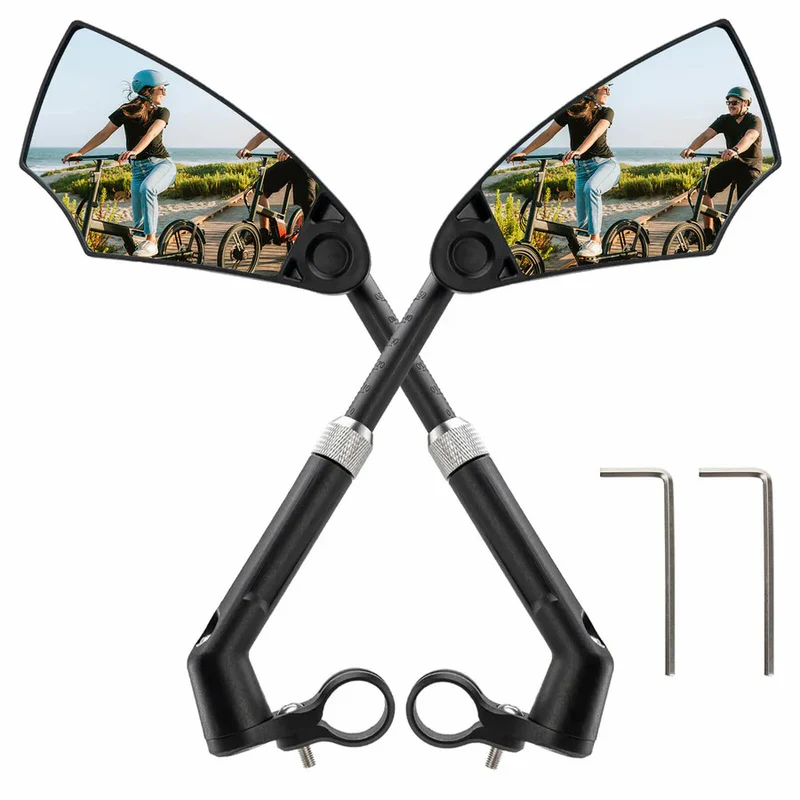
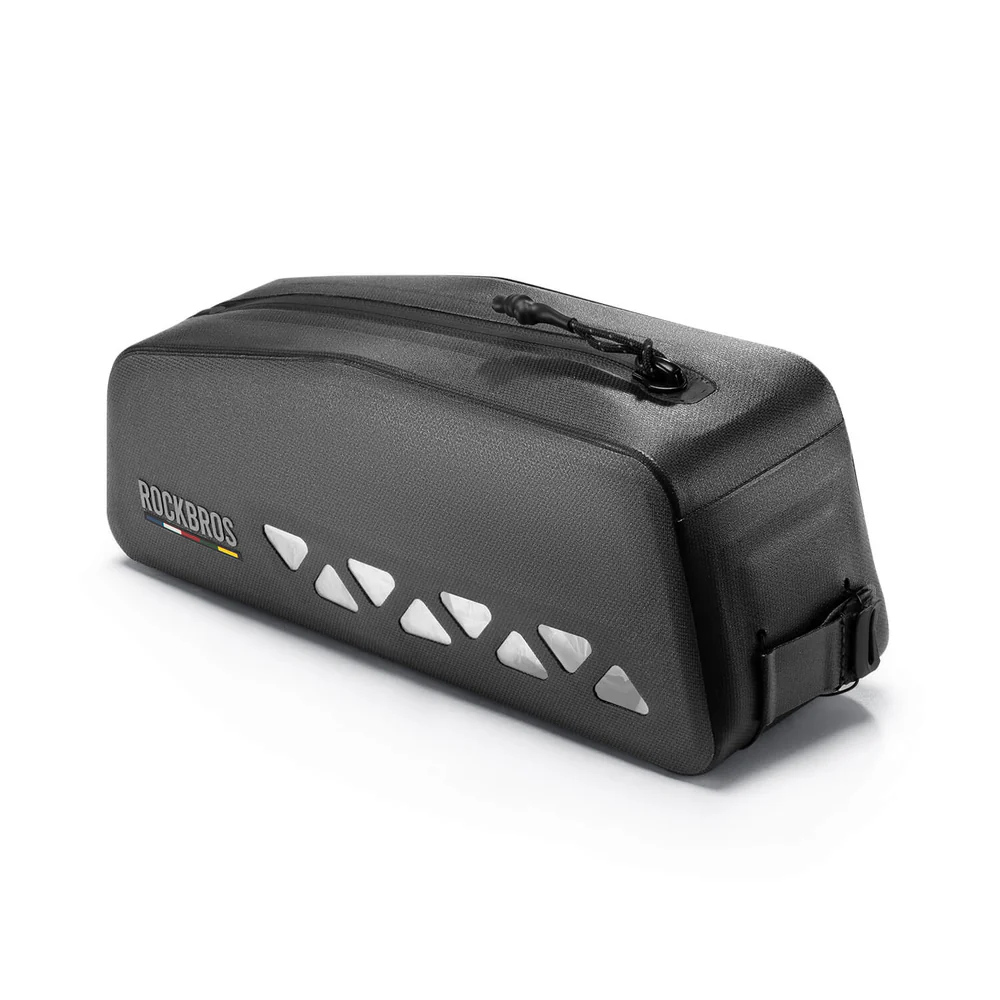
The build focuses on the bike itself and its core components. It does not include a rear rack or fenders in the standard configuration and is not designed as a built-in cargo or luggage system bike.
For some riders, that is not a problem. They want the bike first and will add accessories later based on how they ride. For others—especially people comparing commuting-focused folding bikes—questions about a rear rack, bag compatibility, or carrying gear matter.
That means this blog angle should be honest: the Gravis’ strongest story is ride feel, steel-frame character, and all-around usability. It is not primarily a cargo-oriented folding bike.
How It Compares With the Folding Bike Conversation in the U.S.
In the U.S. market, many shoppers naturally evaluate premium folding bikes through a Brompton-shaped lens.
That comparison makes sense because Brompton has shaped how people think about premium folding bikes. But the Gravis makes its case in a different way. Instead of focusing first on the tightest fold or the most instantly recognizable city-bike silhouette, it leans into:
- steel-frame identity
- more rugged all-around use
- hydraulic disc brakes
- wider tires
- a more planted daily-riding feel
It is also worth separating this bike from the growing market of folding e models and other e bikes. Riders who want motor assistance will be shopping a different category. The Gravis is for the rider who still wants the simplicity and lower maintenance feel of a non-electric bike.

Is It the Best Folding Bike for Everyone?
No. There is no single best folding bike for every rider.
But the Gravis does make a strong case for riders who care about the following:
- better ride quality
- more confidence from hydraulic disc brakes
- a more distinctive steel frame
- practical folded size for apartments, offices, and trunks
- enough gearing for commuting and moderate hills
- more character than many other bikes in the basic folding category
- This is especially true if your current bike feels like a compromise you tolerate instead of a bicycle you enjoy.
For the right rider, that makes it one of the more interesting best folding options in its niche.
Who This Bike Is Best For
The Gravis makes the most sense for:
- commuters who want more than a basic folder
- riders in apartments who need practical storage
- people who carry bikes into offices, homes, or up stairs
- buyers who value comfort and stability more than chasing the absolute most lightweight option
- cyclists who want a practical upgrade from lower-spec compact folders
It is also appealing for buyers who care about details like:
- how the handlebars fit their riding posture
- whether the saddle is part of a comfort-first setup
- whether the bike feels stable and practical in daily life
- whether the overall build signals better long-term durability
Ownership Experience: Setup, Weight, and Practical Value
This part matters more than many brands admit.
The Gravis arrives 95% built, which lowers the setup barrier for first-time direct-to-consumer buyers. The bike includes 5-year frame coverage, including free frame replacement for natural cracking under normal riding conditions, non-impact related, and is listed at 11.8 kg.
That matters for people who think about:
- moving a bike into an apartment
- storing it near a desk
- lifting it into a trunk
- carrying it through a hallway or onto public transportation
- deciding whether the weight is reasonable for everyday life
It is not the lightest folder on the market, and the brand does not pretend otherwise. But that is part of the point. The Gravis appears to trade a little outright lightness for better ride feel, more capable brakes, wider tires, and a stronger overall feature set.

Final Verdict
If your only goal is the smallest folded package at the lowest possible price, there are other folding bikes to consider.
But if you want a steel folding bike that feels more substantial, more stable, and more enjoyable for everyday use, the ROCKBROS Gravis has a much stronger story than a generic commuter folder. Its key strengths are not just that it folds, but that it combines a 4130 Cr-Mo steel frame, LUG construction, MicroSHIFT Advent 1x9, hydraulic disc brakes, 20×1.95 tires, a practical folding mechanism, manageable weight, and a rider-friendly setup process.
For U.S. consumers comparing folding bikes, that makes the Gravis easier to understand:
It is not trying to be the tiniest, cheapest, or trendiest option.
It is trying to be a more satisfying bike to live with, ride often, and keep longer.
FAQ
Is the ROCKBROS Gravis comfortable enough for daily commuting?
Yes. Its 4130 Cr-Mo steel frame, wider 20×1.95 CST tires, and comfort-focused ride character make it better suited to regular commuting than many basic folding bikes.
What drivetrain and brakes does it use?
It comes with a MicroShift Advent 1×9 drivetrain, a 44T chainring, an 11–34T cassette, and hydraulic disc brakes with a 160mm front rotor and 140mm rear rotor.
Can it handle rough pavement and light mixed surfaces?
Yes. Its reinforced folding structure, hydraulic disc brakes, and 20×1.95 CST tires make it well suited to rough pavement, bike paths, and light mixed surfaces.



Leave a comment
This site is protected by hCaptcha and the hCaptcha Privacy Policy and Terms of Service apply.