Whether you are a minimalist road cyclist looking to shave off every gram, a hardcore mountain biker tackling rugged backcountry trails, or a dedicated bikepacker gearing up for longer trips, figuring out how to carry your gear is a universal challenge. One of the most common questions cyclists ask is, "What size bag do I actually need for my bike?" As detailed in this bike saddle bag size guide, the exact capacity you need depends entirely on your riding style, the distance of your ride, and the absolute essentials you refuse to leave home without. While stuffing everything into your jersey pockets might work for a quick neighborhood spin, most riders quickly realize they need a dedicated storage solution. A properly sized saddle bag provides enough room to safely store a spare tube, multi tool, and tire levers without swaying wildly under your bike seat or weighing you down. In this comprehensive guide, we will break down exactly how to choose the right size and style so you can hit the road—or trail—with total confidence.
Why Dialing in the Right Saddle Bag Size is Crucial
Every time you straddle your bicycle and head out for a ride, you need a dependable way to carry a repair kit and other small items. Most saddle bags attach cleanly underneath the saddle, securing directly to the saddle rails and the seatpost.
Why does size matter so much? If you opt for a small bag when you actually need a larger one, you might be forced to forget crucial items, finding yourself stranded with a flat tire and no space for an inner tube or mini pump. On the flip side, strapping a massive saddle pack onto your bike for a short, one-hour ride adds unnecessary weight and bulk. Furthermore, if you ride a smaller frame, an oversized bag can interfere with your rear tire, especially if you have limited tire clearance. Finding the sweet spot means you can pack all your stuff securely while maintaining the sleek aesthetics and aerodynamic performance of your bike.
Breaking Down the Bike Saddle Bag Size Guide
To help you make the best choice, we can categorize most saddle bags into three main tiers. Each tier serves a specific purpose and caters to different types of cyclists.
Micro and Small Bags (0.3L - 0.6L)
If you are a road cyclist prioritizing speed or a rider who likes to keep their setup incredibly clean, a micro or small bag is your best friend. These compact bags are designed to hold just the bare minimum to get you home safely.
-
What it fits: One spare tube, a pair of tire levers, a compact multi tool, and a glueless patch kit.
-
Best for: Fast, short rides where cutting weight is the top priority.
These bags tuck tightly under the saddle, meaning they will never rub against your thighs as you pedal. Because of their minimal footprint, they offer easy access to your essentials without disrupting the look of your bike.
Medium Saddle Bags (0.7L - 1.2L)
For many riders, the medium-sized saddle bag is the ultimate workhorse. If your ride extends a bit longer, or if you ride a mountain bike or gravel bike that requires bulkier tubes, a medium bag offers that much-needed extra room.
-
What it fits: One or two tubes, tire levers, a multi tool, a patch kit, a CO2 inflator, and perhaps your house keys or a slim wallet.
-
Best for: Everyday commuters, weekend warriors, and those who want to be extra careful by carrying a bit more gear.
Medium bags generally feature robust velcro straps or buckle straps to secure them firmly to the saddle rails, ensuring they stay locked in place over potholes and gravel paths.
Large Saddle Packs and Bikepacking Bags (1.5L to 10L+)
When you are heading out for multi-day adventures, standard sizes won’t cut it. You need a large saddle pack. These oversized bags extend horizontally behind the rider and are built for serious volume.
-
What it fits: Multiple spare tubes, extensive repair kits, a mini pump, extra clothes, a rain jacket, food, snacks, and heavy items.
-
Best for: Bikepacking, ultra-endurance rides, and touring.
When loading up these massive bags, riders must pay close attention to weight distribution and rear tire clearance. High-quality versions use heavy-duty compression straps to keep the load tight and prevent the bag from swaying side-to-side when you stand up to pedal.
Pro-Level Features to Consider Beyond Capacity
While volume is the main focus of this bike saddle bag size guide, several other expert features dictate how well a bag will perform in the real world.
Mounting Systems: Velcro Straps vs. Buckle Straps
How you attach the bag is just as important as what you put inside it. Velcro straps are incredibly lightweight and allow for quick installation, making them perfect for small items and compact bags. However, if you are carrying heavier loads, buckle straps provide a more rigid, secure connection to the rails, preventing the bag from bouncing.
Defending Against the Elements: Water Resistance
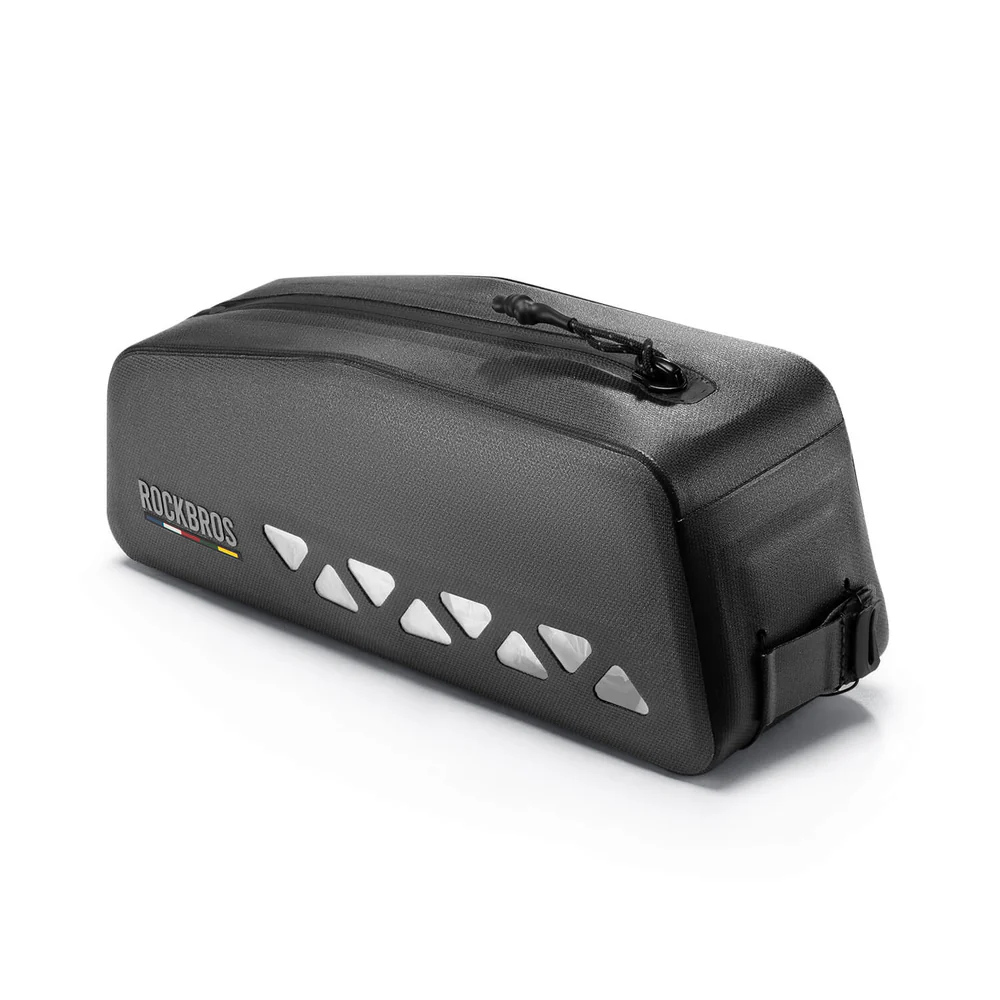
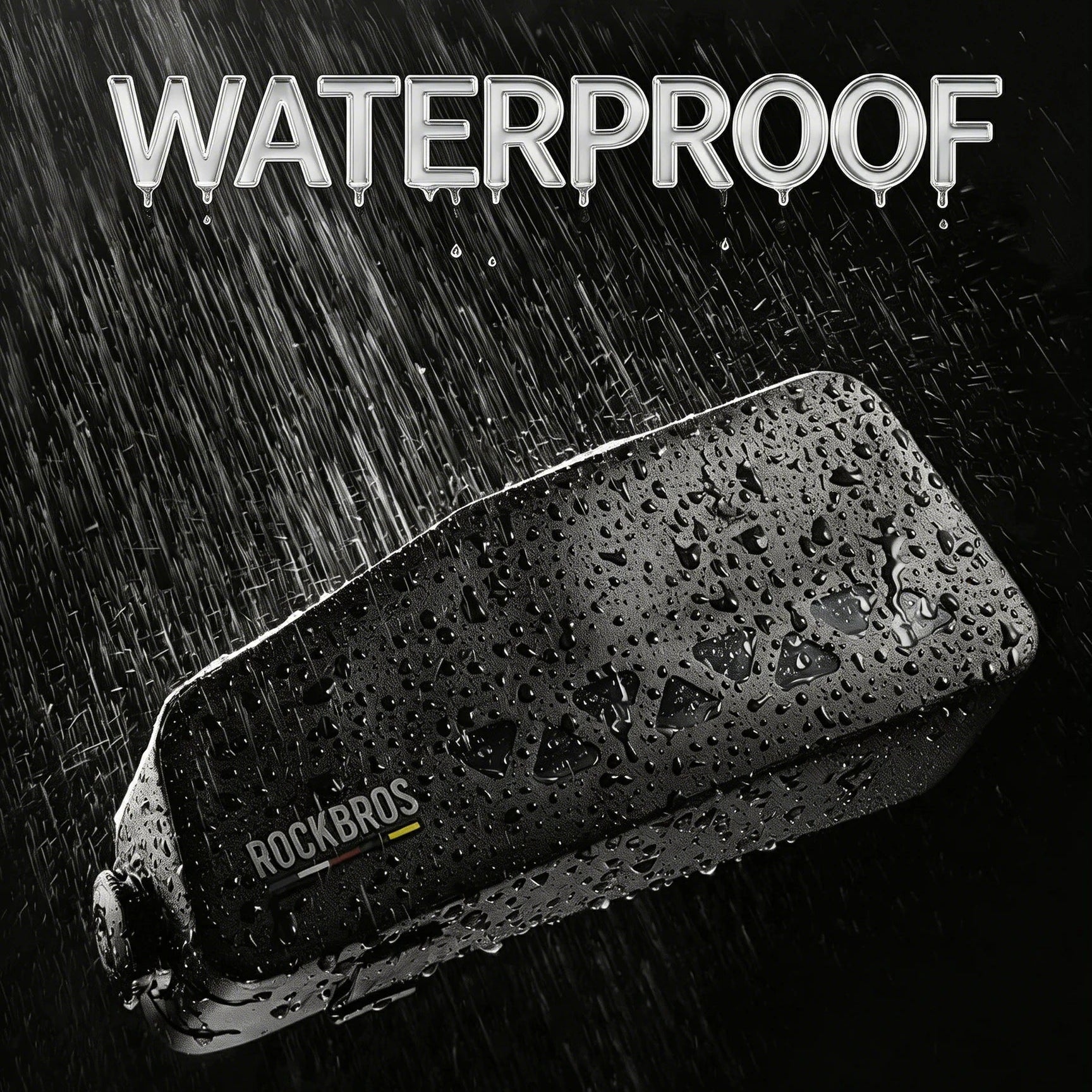
Weather can change in the blink of an eye. If you ride year-round, investing in waterproof bags is a game-changer. Even on a clear day after a rainstorm, your rear wheel will kick up road spray directly onto your bag. High-level water resistance, taped seams, and waterproof zippers ensure your multi tool won't rust and your spare clothes remain completely dry.
Seatpost Compatibility: Carbon and Dropper Seatposts
Before you buy, take a look at the seatpost you wear on your bike. If you have an expensive carbon seatpost, you need to ensure the bag's straps won't cause abrasive damage over time; look for bags with rubberized straps to save your components from scratches. Alternatively, if you ride mountain bikes equipped with a dropper seatpost, you must be extremely careful. Standard straps wrapped around the stanchion will ruin the dropper's seals. You will need a bag specifically designed to attach only to the saddle rails.
How to Pack Your Saddle Bag Like a Pro
Packing efficiently is a skill. Always start by placing heavy items (like your multi tool or CO2 cartridges) at the very bottom, closest to the seatpost, to maintain a low center of gravity. Wrap your rubber inner tube in a small plastic bag or a rag; this prevents it from being chafed or punctured by your sharp tire levers while you ride. Finally, fill any leftover empty space with a patch kit or soft items to stop your gear from rattling.
Expanding Your Storage: Alternatives to Saddle Bags
Sometimes, a saddle bag just isn’t the right fit for the job. If you need to carry more volume or want to distribute weight differently, consider these excellent alternatives:
-
Frame Bags: Frame bags utilize the empty triangle of your bicycle frame. They are ideal for keeping heavy items centered and low, making them perfect for carrying a mini pump, hydration bladders, or dense food.
-
Handlebar Bags: A bar bag or handlebar bag sits right up front, offering incredibly easy access to things you want to grab on the go, like your phone, camera, or snacks.
-
Rear Racks and Panniers: For heavy-duty commuting or touring, pairing a rear rack with panniers is unbeatable. They take the weight completely off your body and allow you to comfortably store laptops, changes of clothes, and groceries.
-
Front Fork Bags: Highly popular on gravel bikes, fork-mounted bags help balance out a heavy rear load, making the bike handle better on loose terrain.
Final Thoughts: Gear Up and Go
Selecting the right storage doesn't have to be a guessing game. By utilizing this bike saddle bag size guide, you can confidently choose the perfect setup for your exact needs. Whether you just need a sleek, compact pocket for a road ride or a rugged, waterproof saddle pack for a week-long bikepacking trip, ROCKBROS has the premium gear to get you there. Equip your ride correctly, secure your essentials, and get ready to hit the road with total peace of mind!
Frequently Asked Questions (FAQs)
1. Can I fit a standard mini pump inside a small bike saddle bag? Generally, no. Most micro or small saddle bags (under 0.6L) are simply not long enough to house a standard mini pump. If carrying a pump is a priority, you should opt for a medium to large saddle bag, or use a mounting bracket to attach the pump directly to your bike frame alongside your water bottle cage.
2. Will a saddle bag scratch my carbon seatpost? It can, especially if grit and dirt get trapped between the velcro straps and the carbon surface. To protect your bike, look for bags with silicone or rubber-coated straps, or wrap a small piece of clear frame protection tape around the seatpost where the strap attaches.
3. What should I pack in my saddle bag for a 50-mile road ride? For a mid-to-long distance ride, you should carry at least one spare inner tube, a pair of high-quality tire levers, a compact multi tool, a glueless patch kit, and a CO2 inflator (or frame-mounted mini pump). A medium-sized bag (around 0.8L) is the perfect size for these essentials.
4. Is it safe to use a saddle bag with a dropper seatpost? You should never wrap a standard saddle bag strap around the sliding stanchion of a dropper seatpost, as it can scratch the metal and damage the internal seals. However, there are specific dropper-compatible saddle bags on the market that mount exclusively to the saddle rails, leaving the seatpost completely free to move.
5. Are waterproof saddle bags really necessary if I don't ride in the rain? Yes! Even if it isn't currently raining, your rear tire acts like a shovel, launching dirt, mud, and residual puddle water straight at the underside of your saddle. A bag with good water resistance keeps your tools from rusting and ensures your spare gear stays clean and ready to use.


Leave a comment
This site is protected by hCaptcha and the hCaptcha Privacy Policy and Terms of Service apply.