

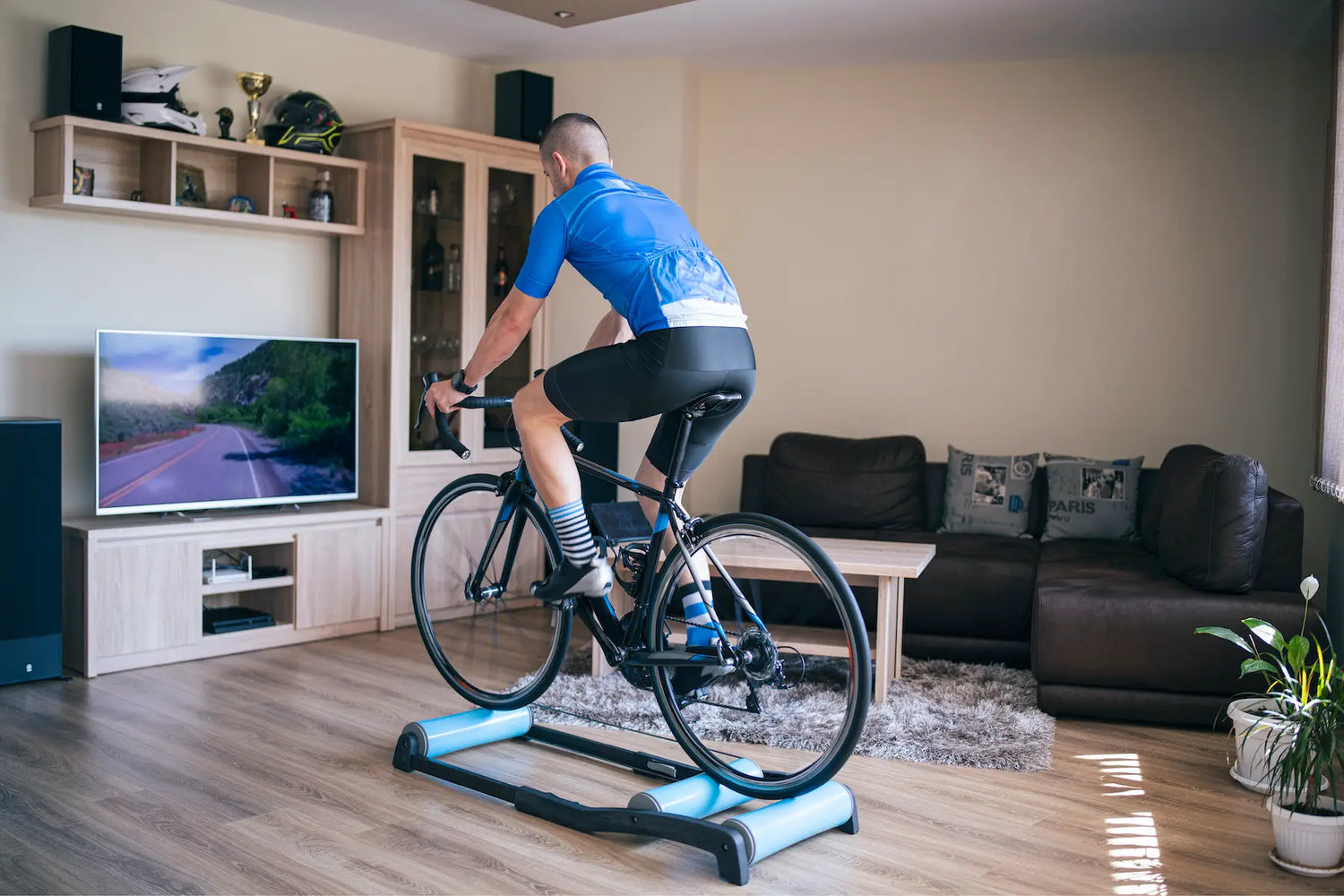
If you’re shopping for an indoor bike trainer in 2026, you’re not alone. More riders are training indoors because it solves the two biggest barriers to consistency: weather and time. The right trainer turns “I can’t ride today” into “I’ll get a session done.”
This guide helps you choose a trainer with confidence—based on your goals, your living situation (noise and space matter), your bike’s compatibility, and your budget.
Shop by Trainer Type
- Foldable trainers (easy storage)
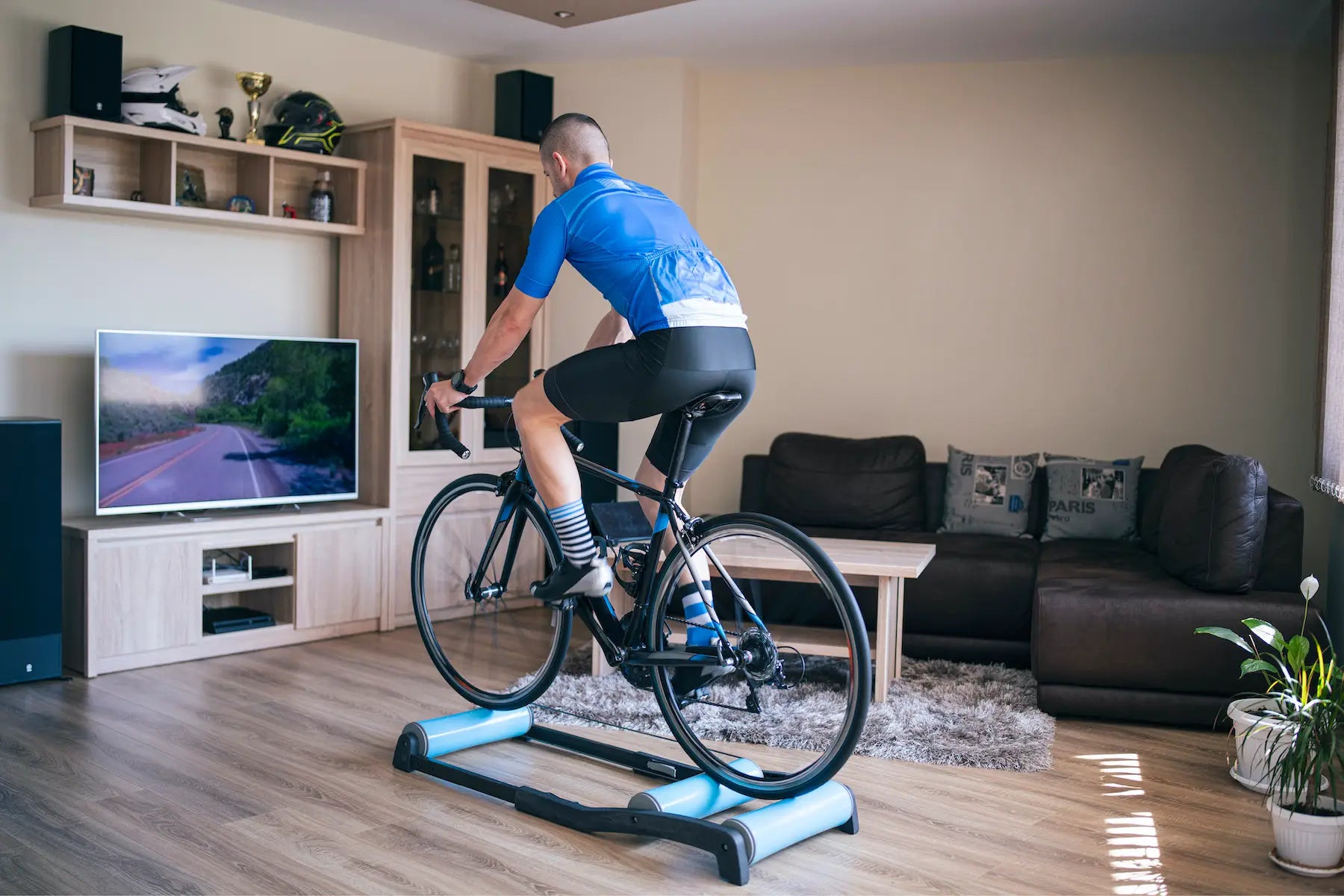
- Roller trainers (balance & smooth pedaling)
- Smart trainers (app-connected training)
1) Choose Your Goal First: Your Training Style Determines Your Trainer
Before you compare models, decide what kind of rider you are right now (not what you aspire to be in six months). Your trainer should match your real use case.
A) “Keep Fit” Riders (winter maintenance, general fitness)
- You want consistent rides indoors when it’s cold, wet, or dark.
- You care about convenience and noise more than perfect data.
Best fit: wheel-on trainers or entry-level setups that are quick to deploy and easy to store.
B) Structured Training Riders (Zwift/Rouvy workouts, ERG sessions)
- You want steady power targets, repeatable workouts, and progress tracking.
- You care about connectivity, stability, and a smooth ride feel.
Best fit: smart trainers that can control resistance automatically.
C) Performance/Data Riders (FTP-focused, race prep)
- You want accuracy, strong resistance, and stable ERG performance.
- You want to trust the numbers and the feel.
Best fit: a smart trainer built for structured intervals and consistent power.

2) A 30-Second Decision Shortcut
-
Do you live in an apartment or share walls?
If yes, prioritize low noise and a stable setup. -
Do you want app-controlled resistance?
If yes, choose a smart trainer (look for reliable Bluetooth/ANT+ and smooth ERG behavior). -
Will you store it after every ride?
If yes, foldability and manageable weight matter more than “max specs.” -
Do you need highly consistent power data?
If yes, prioritize stability and repeatability over “flashy extras.”
Tip: If you already know what you want, jump to Shop by Trainer Type.
3) Trainer Types, Explained: Wheel-On vs Rollers vs Smart Trainers
These are the three core categories. Everything else is basically a variation of these.
| Type | Best For | Pros | Cons |
|---|---|---|---|
| Wheel-On | Beginners, budget setups, occasional indoor rides | Lower upfront cost, compact, simple setup | More noise, tire wear possible, consistency depends on setup |
| Rollers | Skills, smooth pedaling, warmups, technique | Improves balance and form, portable, “road-like” feel | Harder for beginners, less ideal for high-resistance intervals |
| Smart Trainer (App-Connected) | Structured workouts, virtual riding, progressive training | Auto resistance changes, ERG workouts, better training consistency | Higher cost than basic setups, requires app/device pairing |
4) What “Smart” Really Means (and Why It Changes Your Training)
A “smart trainer” typically means it can communicate with training apps and automatically adjust resistance. That matters because it changes how training feels: less guesswork, more repeatability.
Smart features worth caring about
- ERG mode: the trainer holds a power target so workouts feel cleaner and more repeatable.
- Simulation mode: resistance changes with virtual climbs/terrain.
- Reliable connectivity: stable pairing matters more than you think.
- Consistent power behavior: so your progress tracking isn’t guesswork.
Nice-to-have features
Extra displays and cosmetic add-ons can be helpful, but they don’t matter if the fundamentals (stability, noise, repeatability) aren’t solid.
5) Noise & Apartment-Friendly Picks: The Most Underestimated Buying Factor
Indoor trainer noise usually comes from three sources:
- Contact noise (wheel-on tire-to-roller friction)
- Resistance unit noise (mechanism or motor)
- Bike drivetrain noise (a dry/dirty chain gets loud fast)
Simple guidance
- Apartment / shared walls: prioritize a smoother, quieter setup and use a mat to reduce vibration.
- Garage / dedicated room: you can prioritize value and convenience more aggressively.
Quick noise reduction checklist
- Use a trainer mat to reduce vibration.
- Clean and lubricate your drivetrain regularly.
- If you ride wheel-on indoors often, consider a dedicated tire/wheel setup.

6) Space, Storage, and Foldability: Choosing Without a “Pain Cave”
If you’ll store your setup after every ride, convenience becomes a performance feature—because the easier it is to set up, the more often you’ll actually train.
- Permanent setup: prioritize stability and ride feel.
- Frequent storage: prioritize foldability and manageable weight.
Pro tip: measure your space like a mini project: trainer footprint + bike length + 1–2 feet for movement and airflow.
7) Power, Resistance, and Accuracy: When Specs Matter (and When They Don’t)
You’ll see terms like ±1%, ±2%, ±3%. Here’s what matters in real life:
- For general fitness, you may not feel small accuracy differences.
- For structured training, consistent power behavior improves workout quality.
- For race prep, accuracy reduces guesswork and improves repeatability.
Also pay attention to:
- Maximum resistance/power: important for hard efforts and sprint intervals.
- Responsiveness: how quickly resistance adjusts (affects ERG feel).
8) Compatibility Checklist: Don’t Buy Until You Confirm These
This is where many returns happen. Check before you buy.
Bike fit basics
- Axle type: quick release vs thru-axle
- Rear spacing: common standards vary
- Drivetrain/cassette compatibility
- Frame clearance: confirm fit and stability
Device + connection basics
- Does your setup support Bluetooth and/or ANT+?
- Will you train with a phone, tablet, laptop, or Apple TV?
Pre-purchase self-check: Write down your bike model, axle type, drivetrain, and the device you’ll use for training apps.

9) Budget Guide: A Practical Way to Avoid Overspending
Instead of chasing specs, buy based on your training stage and what removes friction for you.
Entry budget (casual indoor riding)
- Goal: stay consistent through bad weather
- Priority: price + convenience + basic noise management
Mid budget (structured training and apps)
- Goal: measurable improvement
- Priority: connectivity + stability + repeatable workouts
Higher budget (performance-focused training)
- Goal: race prep and higher confidence in your data
- Priority: comfort + durability + strong training consistency
Bottom line: the fastest “upgrade” is consistency—so prioritize what makes you train more often.
10) Indoor Essentials Checklist: Small Add-Ons, Big Difference
- Trainer mat: reduces vibration and protects floors
- Fan: indoor cooling is performance-critical
- Sweat protection: towel or sweat guard to protect your bike
- Front wheel support: improves comfort and fit
- Hydration within reach: reduces breaks and keeps workouts steady
11) Recommended Setups by Rider Type (Simple Bundles)
The “Commuter Fitness” setup
- Easy-to-store trainer setup
- Mat + fan + towel
- 30–45 minutes, 2–3x/week
The “Virtual Ride Starter” setup
- Smart trainer + training app
- Mat + fan + front wheel support
- One structured workout + one easy ride + one longer session weekly
The “Training Plan” setup
- Smart trainer focused on repeatable intervals
- Mat + strong fan + sweat protection
- Progress tracking and consistent weekly volume
FAQ (Quick Answers)
-
What’s the easiest trainer for beginners?
Wheel-on trainers are often simple and budget-friendly. If you want app-controlled workouts, start with a smart trainer. -
Are rollers good for beginners?
Rollers are excellent for technique and smooth pedaling, but they can take practice—especially for high-intensity intervals. -
Do I need an app to train indoors?
No. Apps are optional, but they can improve motivation, structure, and consistency. -
What’s the #1 mistake people make?
Buying before checking compatibility (axle type, drivetrain) and underestimating noise and cooling.
Ready to Train Indoors?
Choosing a trainer is less about “best specs” and more about the best fit for your real life: where you live, how often you’ll train, and how you want workouts to feel.


Leave a comment
This site is protected by hCaptcha and the hCaptcha Privacy Policy and Terms of Service apply.