

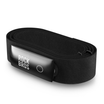
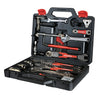
Choosing between a handlebar bag vs saddle bag comes down to one simple question: what do you need to carry, and how often do you need to reach it?
Both bags add useful storage to a bike without requiring a rack, panniers, or bulky luggage. But they solve different problems. A handlebar bag sits at the front of the bicycle and is better for quick access to snacks, phone, gloves, food, lip balm, money, and other small essentials. A saddle bag attaches under the saddle and behind the seat, making it a better place to store spare tubes, tire levers, tools, and repair accessories you do not need until something goes wrong.
For many riders, the best setup is not choosing one bag over the other. It is understanding where each bag works best, how much space you need, and how bag placement affects fit, steering, weight, and ride comfort.
Quick Comparison: Handlebar Bag vs Saddle Bag
|
Factor |
Handlebar Bag |
Saddle Bag |
|---|---|---|
|
Best for |
Snacks, phone, gloves, wallet, food, light clothes |
Spare tubes, tire levers, multi-tool, patch kit, repair gear |
|
Access |
Easy access while stopped or during slow riding |
Usually requires stopping |
|
Position |
Front of the bike, near the handlebars |
Under the saddle, behind the seat |
|
Weight effect |
Can affect steering if overloaded |
Minimal with a small bag; larger seat packs may sway |
|
Common size |
Small to medium front bag |
Small repair bag to larger seat pack |
|
Best use |
Commuting, gravel, casual rides, long rides |
Road rides, commuting, emergency repair storage |
|
Fit concerns |
Cables, brake lines, mounts, front tire clearance |
Rear tire clearance, saddle height, seat post, straps |
|
Better for quick-access items? |
Yes |
No |
|
Better for repair tools? |
Sometimes |
Yes |
As a rule, place heavier items closer to the center of the bike when possible, and use front or rear bags for lighter gear and specific-use items.
What Is a Handlebar Bag?
A handlebar bag is a front bag that attaches to the handlebars, usually with straps, buckles, or a mount system. Some bags sit directly on the bars, while others also use the head tube or fork area for support.
A small handlebar bag is often used for items riders want during the ride. This can include snacks, phone, wallet, money, gloves, lip balm, food, sunglasses, small accessories, or a light waterproof layer. Larger handlebar bags can carry more gear, but they also require more attention to weight and fit.
The biggest advantage of a handlebar bag is quick access. Instead of stopping to open a saddle bag or digging through pockets, you can keep small essentials in front of you. This makes a handlebar bag especially convenient for commuting, long road rides, gravel rides, casual weekend rides, and routes with frequent stops.
A handlebar bag is also useful when you want one bag for everyday ride items without loading your jersey pockets or carrying a backpack.
What Is a Saddle Bag?
A saddle bag attaches beneath the saddle and sits behind the seat. It may also be called a seat bag, under-seat bike bag, or seat pack, depending on its size and shape.
Most compact saddle bags are designed for repair storage. Riders commonly use them to carry spare tubes, tire levers, a multi-tool, patch kit, CO₂ inflator, small pump, emergency money, and other tools. These are things you need on the bike but do not need to pull out often.
The biggest advantage of a saddle bag is that it uses space that is usually empty. It keeps repair gear secure, organized, and out of the way. For riders who want to make sure their bike is always ready for a flat tire or minor adjustment, a saddle bag is one of the simplest storage options.
Larger seat packs can carry clothes, food, or more gear for longer rides, but they are different from small saddle bags. A compact saddle bag is mainly for tools. A larger seat pack is closer to bikepacking luggage and needs more careful packing to prevent sway.
Main Difference: Access vs Tool Storage
The key difference in the handlebar bag vs saddle bag decision is access.
A handlebar bag is better for items you want to reach during the ride. A saddle bag is better for items you want to store securely and forget about until needed.
Use a handlebar bag for things like snacks, phone, gloves, food, lip balm, wallet, or a light layer. Use a saddle bag for spare tubes, tire repair tools, and compact accessories that can stay on the bike.
A simple way to think about it:
Handlebar bag = easy access storage.
Saddle bag = repair gear storage.
This distinction helps prevent one common mistake: using one bag for everything. If you put tools, snacks, phone, and clothes all in one small bag, it becomes harder to find what you need quickly. Separating ride essentials from repair gear keeps your setup cleaner and more convenient.
Quick Access: Why a Handlebar Bag Works Better
A handlebar bag is the better choice when you want quick access to small items. Since the bag sits near the bars, it is easier to open at a stoplight, during a break, or while standing over the bike.
This matters more than many riders expect. On a short ride, you may not care. On a longer ride, easy access to food, gloves, phone, or lip balm can make the ride smoother. You are more likely to eat on time, adjust layers, or stash small items without stopping for too long.
A handlebar bag is also useful for commuting. You can store keys, wallet, money, phone, badge, snacks, or small accessories in one place. When you get to work, a café, or a trailhead, everything is easier to find.
The tradeoff is that the bag sits near the front wheel and handlebars. If the front bag is overloaded, it can affect steering. A small handlebar bag packed with light gear is usually fine. A heavy bag full of dense tools, water, or bulky clothes may make the front of the bike feel slower or less stable.
Repair Gear: Why a Saddle Bag Works Better
A saddle bag is usually the better place for repair gear. Spare tubes, tire levers, a patch kit, and tools do not need easy access unless there is a problem. They just need to stay secure and protected while you ride.
Keeping repair items in a saddle bag also saves space in your handlebar bag, frame bag, top tube bag, or pockets. It gives every item a clear place: tools under the saddle, snacks and personal items up front or in another accessible bag.
For riders who use the same bike often, a saddle bag can stay attached between rides. That reduces the chance of forgetting spare tubes or tire tools. It also keeps the bike ready for commuting, road rides, gravel rides, or weekend routes.
The main thing to watch is fit. A saddle bag should not rub the rear wheel or tire. It should attach securely to the saddle rails and seat post, and the straps should not loosen while riding.
Weight, Steering, and Ride Feel
Bag placement can change how a bike feels.
A handlebar bag places weight near the front of the bike. With a small bag and light gear, the effect is usually minor. But too much weight in front of the handlebars can make steering feel heavier. This is especially noticeable on technical roads, gravel, climbs, or when riding out of the saddle.
A saddle bag places weight behind and below the seat. A small saddle bag usually has little effect on handling because the load is compact. Larger seat packs can carry more gear, but they may move side to side if not packed tightly. That movement can be annoying, especially when climbing, sprinting, or riding rough surfaces.
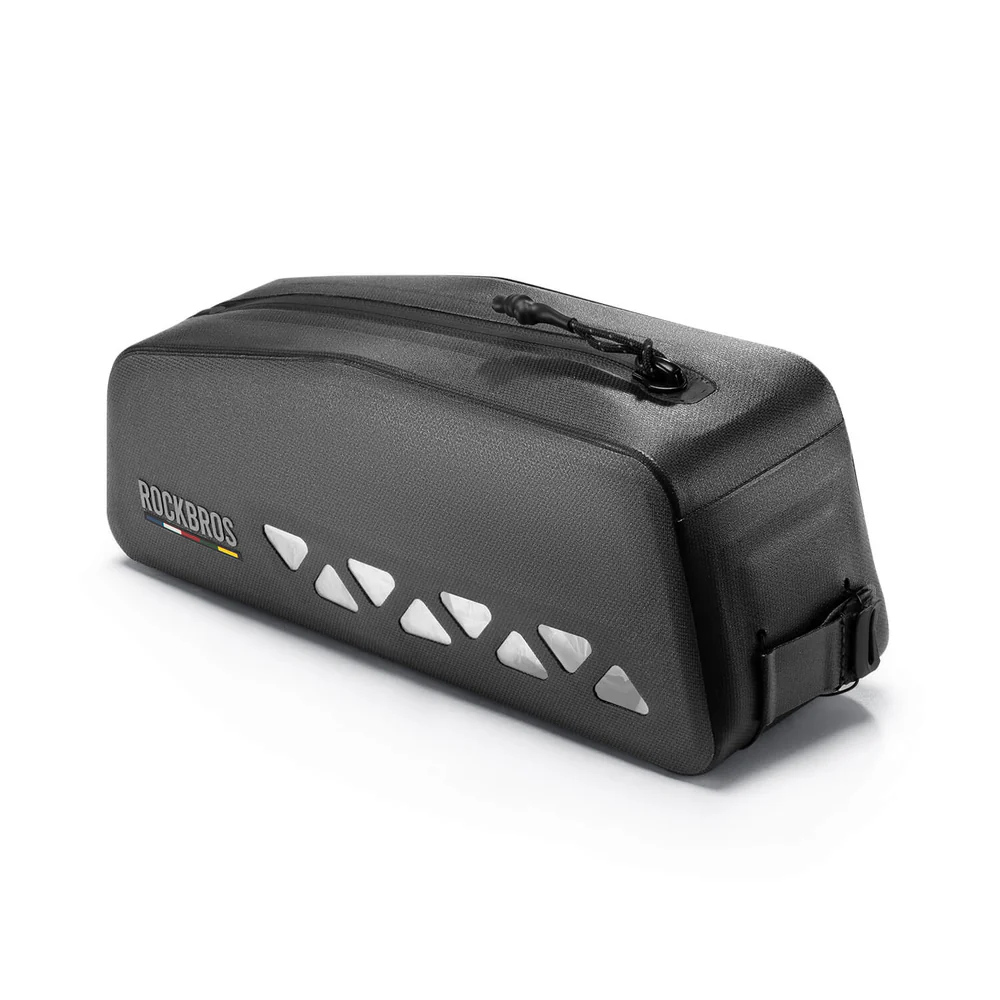
Frame bags and top tube bags are another option when weight balance matters. A frame bag keeps weight more centered in the bicycle frame, which can feel more stable than putting everything in a front bag or rear seat pack. Top tube bags are useful for small items that need easy access, such as snacks or a phone, while keeping the handlebars clear.
The best setup depends on how much gear you carry. For a short road ride, one small saddle bag may be enough. For a longer ride, a combination of saddle bag, small handlebar bag, and frame bag may spread the load better.
Capacity: How Much Space Do You Need?
Capacity is another major difference between a handlebar bag and saddle bag.
A compact saddle bag usually has enough room for repair basics: spare tubes, tire levers, a multi-tool, and maybe a CO₂ inflator or small pump. It is efficient, but not ideal for bulky items.
A handlebar bag usually offers more flexible storage space. Even a small handlebar bag can carry snacks, gloves, phone, wallet, food, and a light layer. Some bags include pockets or a separate compartment to keep gear organized.
Larger seat packs can hold more gear than small saddle bags, but they are better for bikepacking or long-distance riding than daily repair storage. Once a seat pack gets large, packing method matters. Soft items like clothes can help fill the shape, while heavy tools should be placed carefully to reduce sway.
If you need to carry heavy or bulky items, panniers and rack-mounted luggage may be better than either option. A rack and panniers are more practical for groceries, work clothes, commuting equipment, or larger loads.
Fit and Clearance: What to Check Before Choosing
Fit matters because bags can interfere with the bike if they are too large or poorly positioned.
For a handlebar bag, check the space around the handlebars, cables, brake lines, shift lines, and mounts. The bag should not pull on cables or block the steering. It should also leave enough clearance above the front tire and front wheel. This is especially important on smaller bike frames or bikes with limited space between the bars and the tire.
If you use lights, a bike computer, phone mount, bell, or other handlebar accessories, make sure the bag does not block them. A front bag can be convenient, but it needs room to sit securely.
For a saddle bag, check the saddle rails, seat post, strap position, and rear tire clearance. Riders with a low saddle height, small frame, or full-suspension bike should pay extra attention to the distance between the bag and the wheel. The bag should not touch the tire when you sit on the bike, hit bumps, or ride over rough ground.
Also check whether the bag blocks a rear light. Some saddle bags include a light loop, but the light still needs to be visible from behind.
Waterproof Protection and Weather Use
Weather protection is important for both bag types.
A handlebar bag sits at the front of the bike, so it can catch rain, road spray, and wind directly. A saddle bag sits behind the seat, where it can get hit by spray from the rear wheel, especially if the bike does not have fenders.
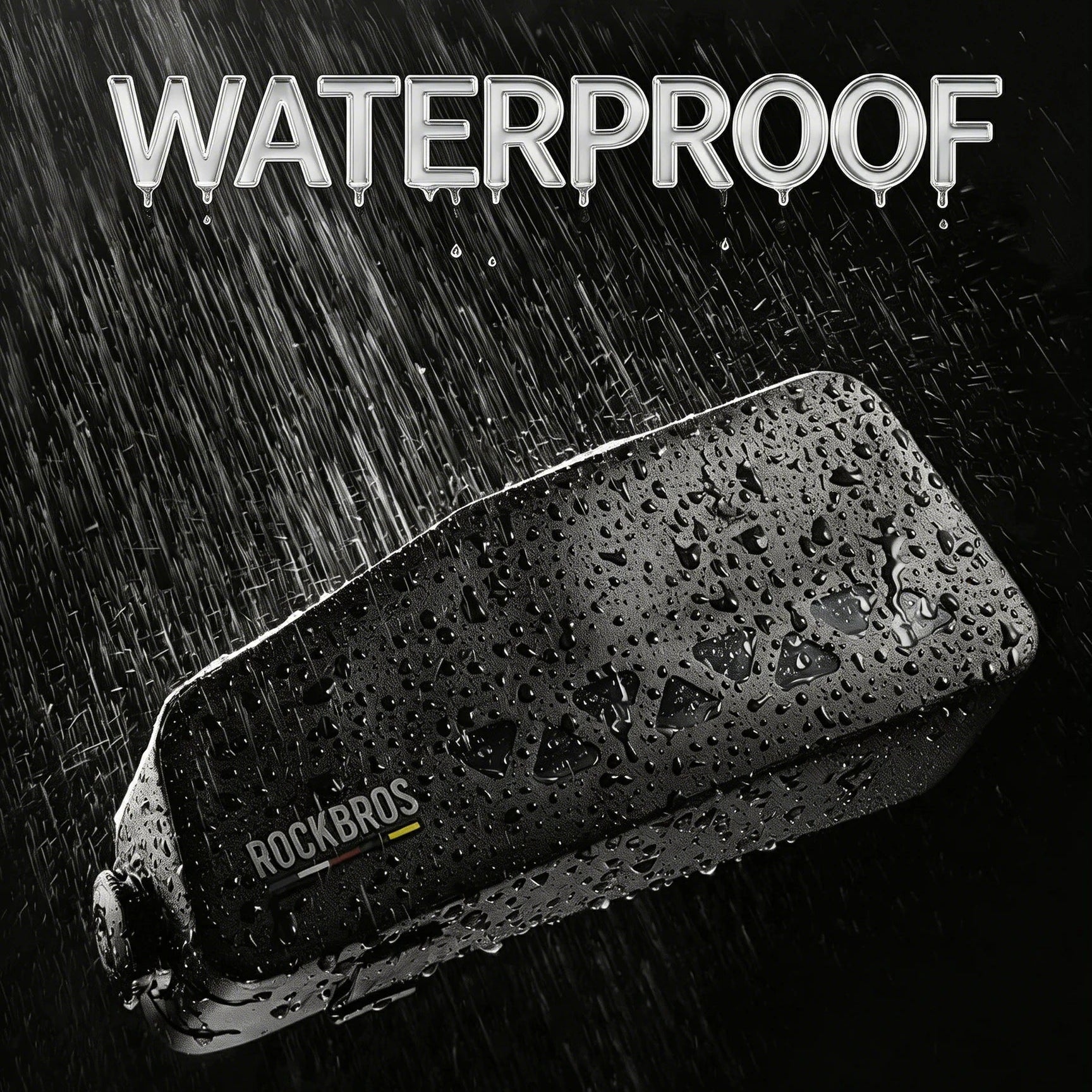
Many bike bags are water-resistant, but that is not the same as fully waterproof. Water-resistant bags can protect gear from light rain or spray. Waterproof bags usually use stronger materials, sealed seams, coated zippers, or roll-top closures to protect contents in wetter conditions.
If you carry a phone, money, clothes, electronics, or food, use extra protection in heavy rain. A small dry bag or waterproof pouch inside the main compartment can help protect sensitive items.
For tools, waterproof protection is still useful. Moisture can cause corrosion over time, especially on multi-tools, tire tools, or metal accessories stored inside the bag for weeks.
Handlebar Bag vs Saddle Bag for Different Types of Rides
For Commuting
For commuting, a handlebar bag is useful for small everyday items like phone, wallet, keys, gloves, snacks, money, and access cards. It gives you enough room for daily essentials and keeps them easy to reach when you stop.
A saddle bag works better as a permanent repair kit. You can leave spare tubes and tools on the bike so you do not need to pack them every morning.
If you carry clothes, shoes, a laptop, or larger work items, a rack and panniers may be more practical than a small bag on the bars or saddle.
For Road Cycling
For road cycling, a saddle bag is often the cleaner setup. It stores tools and spare tubes under the seat without taking up handlebar space. Many road riders keep food in jersey pockets and repair gear in a saddle bag.
A small handlebar bag can still make sense for endurance rides, casual road rides, or riders who do not want full pockets. Just keep the front bag light so it does not affect steering.
For Gravel Riding
Gravel riders often benefit from both. A saddle bag can carry repair tools and spare tubes, while a handlebar bag can hold food, gloves, phone, and a light layer.
Because gravel rides may involve rough roads and longer distances, make sure every bag is secure. Straps should be tight, the load should not bounce, and the bag should not rub cables, frame, tire, or wheel.
For Mountain Biking
Mountain biking requires extra attention to security and clearance. A saddle bag can work if it is compact, stable, and compatible with the seat post. If the bike uses a dropper post, check compatibility carefully.
A handlebar bag may work for light trail rides, but it should not interfere with brake lines, cables, steering, or suspension movement. For rougher trails, many riders prefer very compact on-bike storage or a hydration pack.
For Long Rides and Bikepacking
For long rides, the best answer may be neither one bag alone. A larger setup may combine a saddle bag, handlebar bag, frame bag, or top tube bag.
Frame bags help use the central space in the bike frame. Top tube bags keep snacks or a phone close to the rider. Handlebar bags add front storage. Seat packs provide rear storage for clothes or larger soft items.
The goal is to spread the load so the bike stays stable and the rider can still access the right gear at the right time.
Common Packing Mistakes
One common mistake is putting too much weight in a handlebar bag. Heavy gear near the front wheel can make steering feel slow or unstable. Keep the front bag light when possible.
Another mistake is overstuffing a saddle bag. If the bag cannot close properly, swings while riding, or rubs the tire, it is carrying too much or does not fit the bike well.
A third mistake is mixing dirty tools with clean personal items. Spare tubes, tire levers, and tools can be dirty or sharp. Use pockets, wraps, or a separate compartment to protect snacks, clothes, phone, and accessories.
Another issue is ignoring lights and mounts. A bag should not block a front light, rear light, bike computer, bell, or phone mount. Before riding, stand back and check visibility, clearance, and access.
Finally, do not assume every bag is waterproof. Check the material and closure design, especially if you ride in wet weather.
Can One Bag Do Everything?
One bag can be enough for short rides. A small saddle bag may carry all the repair gear you need, while a small handlebar bag may hold basic tools, snacks, phone, and money for a casual ride.
But as rides get longer, separating repair gear from quick-access items becomes more useful. It keeps tools away from food and clothes, makes small items easier to find, and reduces the need to unpack everything just to reach one item.
A practical setup looks like this:
- Saddle bag: repair tools, spare tubes, tire levers, patch kit, CO₂, small pump
- Handlebar bag: snacks, phone, gloves, lip balm, money, food, light clothes
- Top tube bag: quick snacks, phone, small ride items
- Frame bag: extra gear, layers, water storage, heavier items
- Panniers: commuting loads, groceries, work gear, larger luggage
This approach keeps the bike organized and makes each bag easier to use.
Final Verdict: Handlebar Bag or Saddle Bag?
In the handlebar bag vs saddle bag comparison, the better choice depends on your ride style and what you need to carry.
Choose a handlebar bag if you want easy access to snacks, phone, food, gloves, lip balm, money, lightweight clothes, or small essentials. It is the better option when convenience matters and when you need more flexible front storage.
Choose a saddle bag if you mainly need a secure place for spare tubes, tire levers, tools, and repair accessories. It is the better option for compact storage that stays out of the way.
For most riders, the most practical setup is a saddle bag for repair gear and a handlebar bag for items you reach often. That gives you enough space, better organization, and a cleaner ride experience without needing full rack luggage or panniers.
FAQ
Is a handlebar bag better than a saddle bag?
A handlebar bag is better for quick access to snacks, phone, gloves, food, money, and small essentials. A saddle bag is better for spare tubes, tire levers, tools, and repair accessories. The better choice depends on what you carry and how often you need to reach it.
Does a handlebar bag affect steering?
A handlebar bag can affect steering if it is too heavy or poorly attached. A small handlebar bag with lightweight gear usually has little impact, but a heavy front bag can make the handlebars feel slower, especially on climbs, gravel, or technical roads.
What should I keep in a saddle bag?
A saddle bag is best for repair gear such as spare tubes, tire levers, multi-tool, patch kit, CO₂ inflator, small pump, and emergency money. These items stay secure under the saddle and are ready when needed.
Can I use a handlebar bag and saddle bag together?
Yes. Many riders use both. A saddle bag can carry repair tools and spare tubes, while a handlebar bag can carry snacks, phone, gloves, lip balm, food, and other essentials that need easy access.


Leave a comment
This site is protected by hCaptcha and the hCaptcha Privacy Policy and Terms of Service apply.