
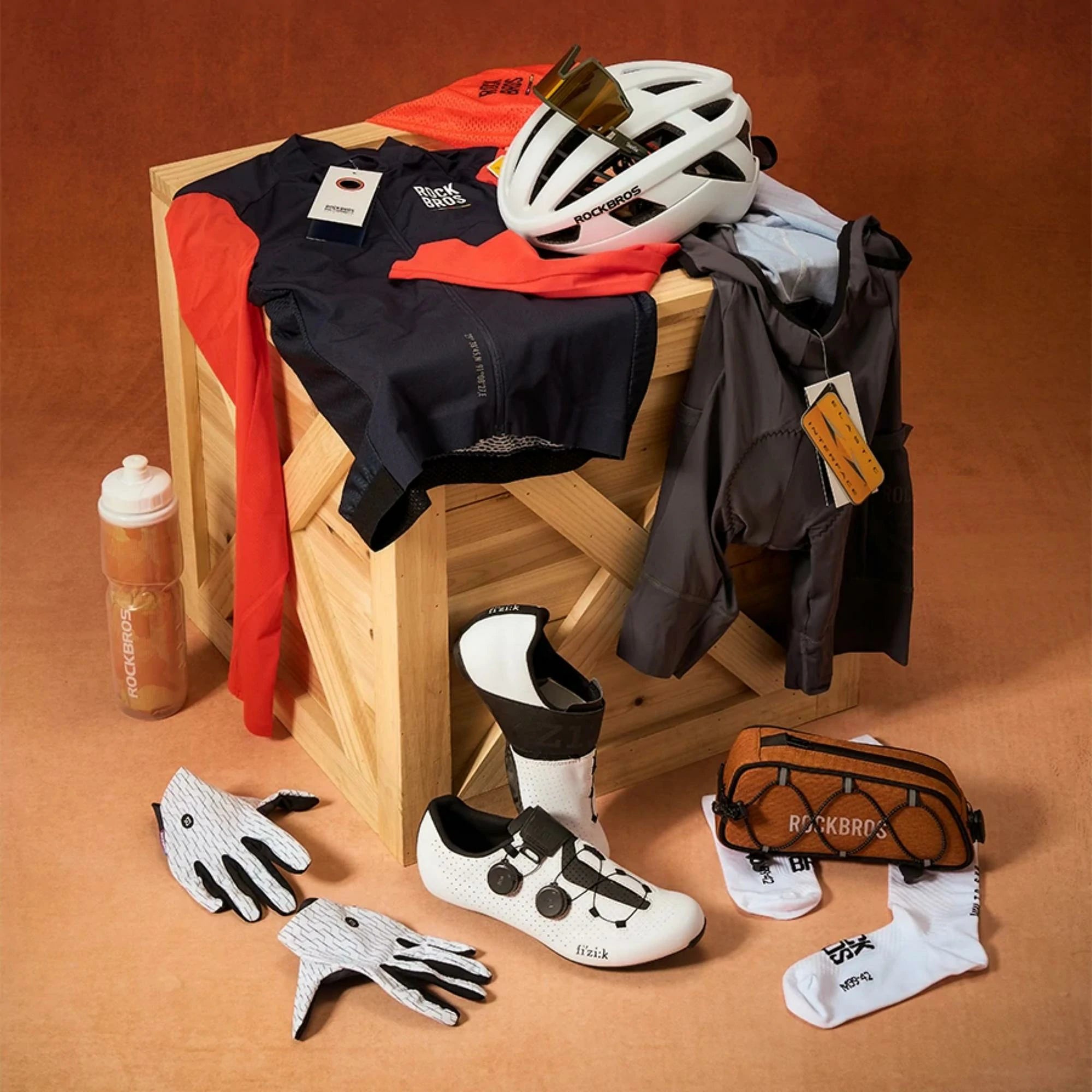
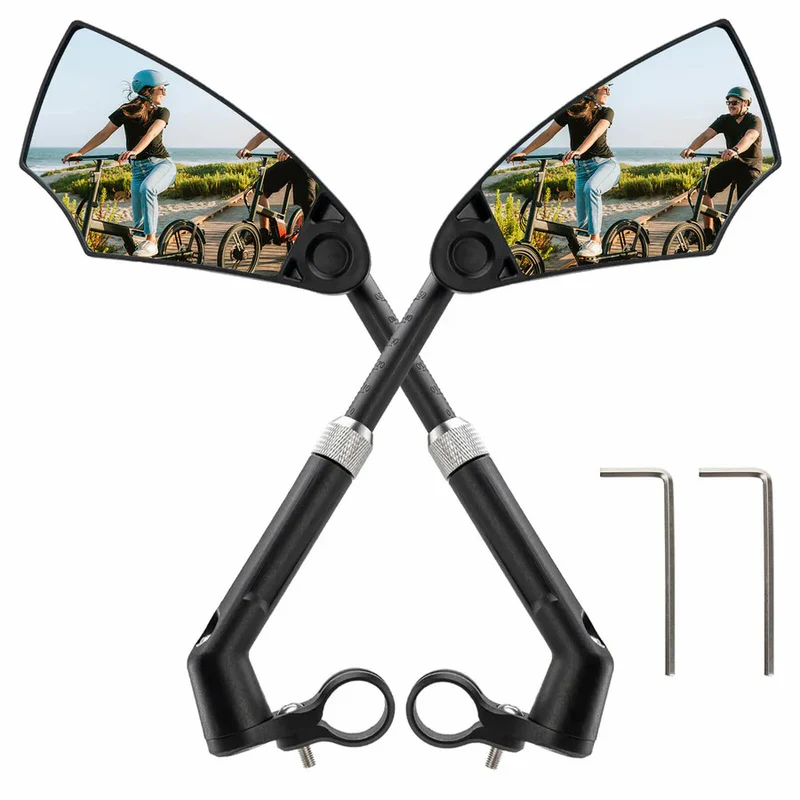
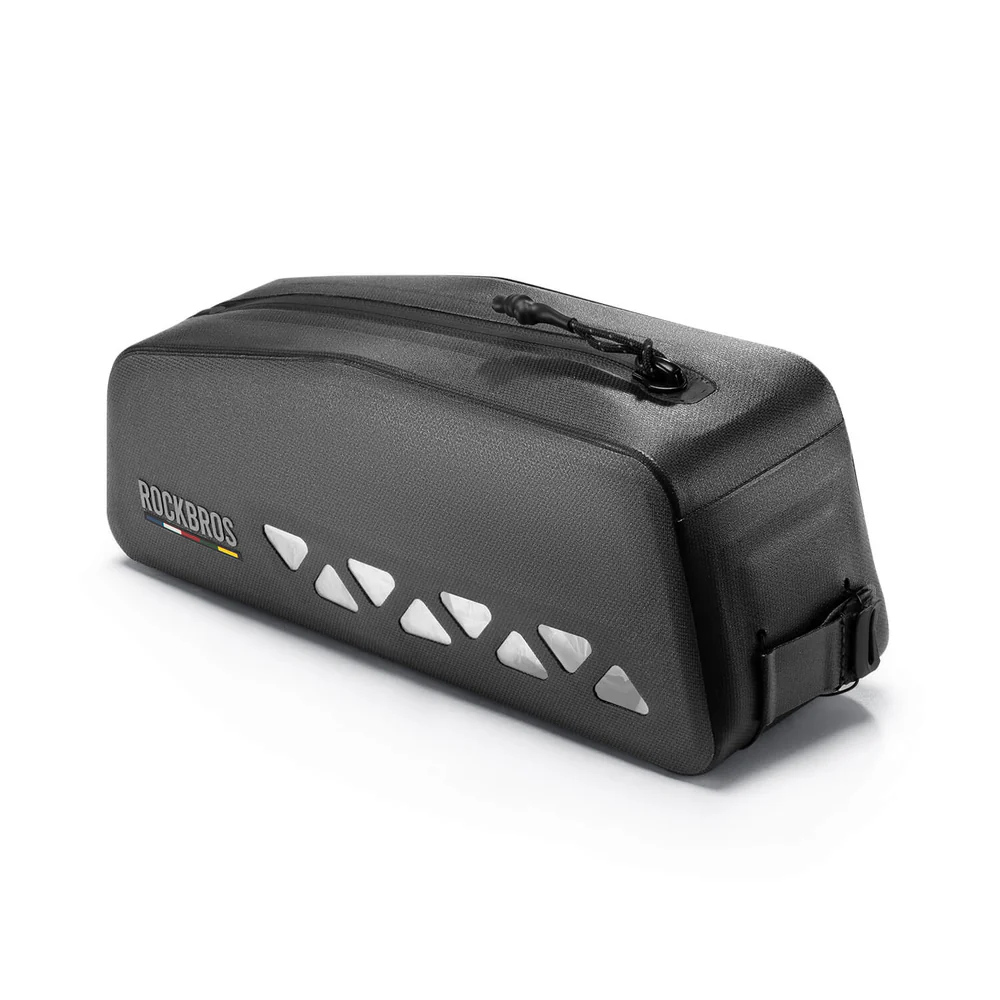

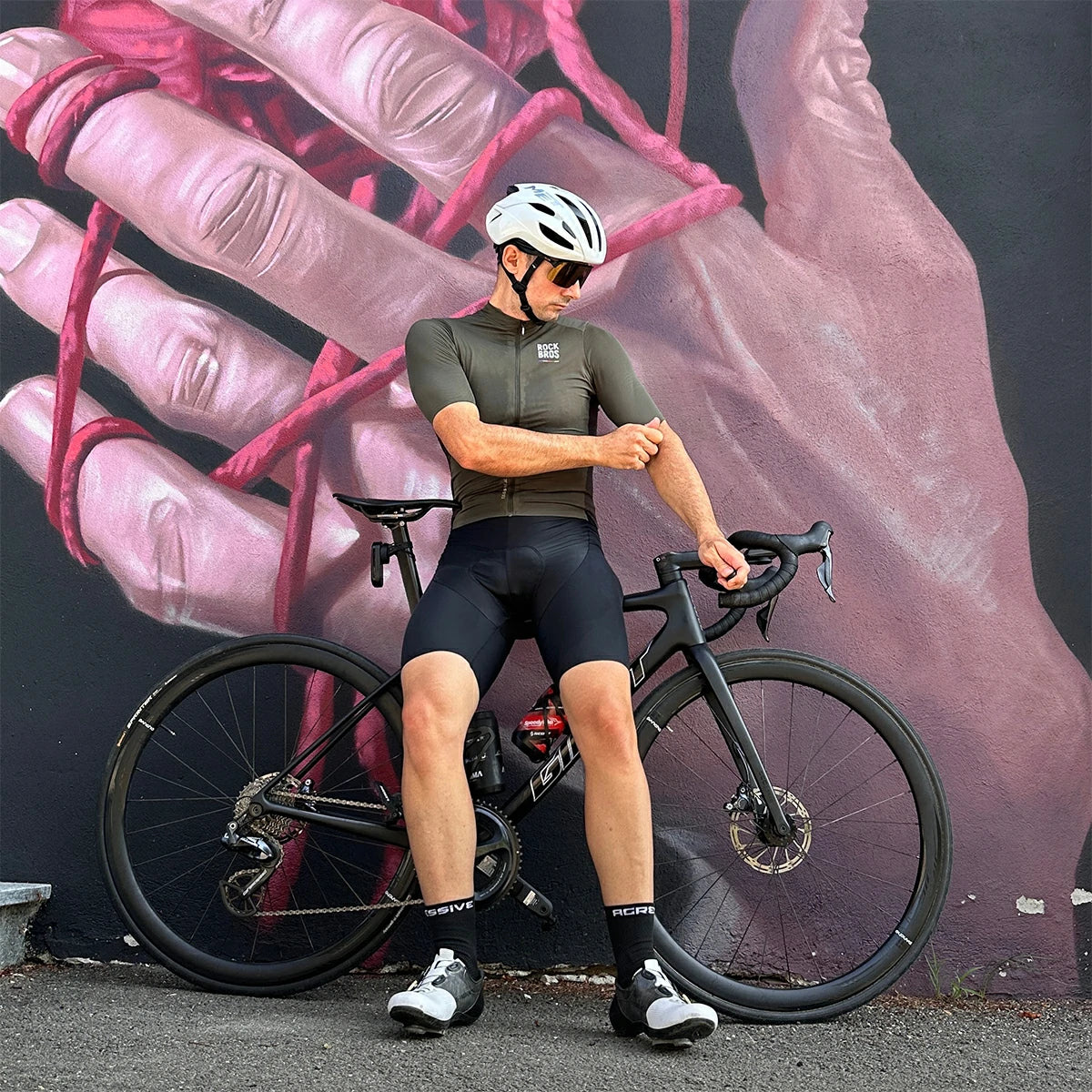


A handlebar bag for commuting is one of the easiest ways to carry small daily essentials on a bike. It keeps items like your phone, wallet, keys, snacks, gloves, sunglasses, lip balm, and compact tools close to your hands instead of buried in a backpack or messenger bag.
For riders who commute to work, school, errands, or the gym, a handlebar bag can make the ride cleaner and more comfortable. It reduces the need to carry weight on your back, gives you quick access at traffic lights or rest stops, and adds useful storage without requiring a rear rack.
But not every bar bag works well for commuting. Some bags are made for short daily rides, while others are closer to bike packing bags designed for a bikepacking trip or multi day adventure. The right choice depends on your bike, your route, your weather, and how much gear you actually need to carry.
This guide explains how to choose a commuting handlebar bag based on storage capacity, mounting system, attachment points, weather protection, pocket layout, and bike fit.
Why Use a Handlebar Bag for Commuting?
A handlebar bag works well for commuting because it keeps your most-used items within easy reach. During a daily commute, you may need your phone, wallet, keys, work badge, sunglasses, snacks, a small hand pump, or other small items. A front bag makes these items easier to access without stopping to unpack a larger bag.
Compared with a backpack or messenger bag, a handlebar bag keeps weight off your body. This can make a big difference in warm weather, when a backpack can trap heat and make your clothes sweaty before you arrive. It can also reduce shoulder fatigue on longer rides.
Compared with a rear rack, pannier, or trunk bag, a handlebar bag is usually smaller and easier to access. It is not meant to carry heavy cargo, but it is ideal for essential items you may need before, during, or right after the ride.
For many commuters, the best setup is not one bag that carries everything. A handlebar bag can hold quick access items, while tools, clothes, or heavier gear can go in other bags if needed.
Handlebar Bag vs. Other Commuting Bags
A handlebar bag is useful, but it is not always the only storage solution. Understanding how it compares with other commuting bags helps you choose the right setup.
A backpack is simple and works with any bike, but it keeps weight on your body. This may be fine for short rides, but it can become uncomfortable during longer rides or hot-weather commuting.
A shoulder bag or messenger bag is easy to take into an office, café, or store. It works well for riders who need to carry items off the bike. However, the weight still sits on your body, and the bag may shift while riding.
A rear rack with panniers or a trunk bag is better for carrying clothes, groceries, lunch, shoes, or a laptop. Rear storage is usually better for heavier loads because it does not affect steering as much as weight placed on the handlebars.
A handlebar bag sits between these options. It is smaller than most rack bags but easier to reach. It is best for small essentials, not heavy cargo. For many riders, it adds just enough extra storage for the daily commute without making the bike feel overloaded.
What Size Handlebar Bag Do You Need?
For commuting, bigger is not always better. A bag with too much space can encourage overpacking, and too much weight at the front of the bike can affect steering. The perfect bar bag for commuting is usually the one that gives you enough room for daily essentials without adding unnecessary bulk.
A small handlebar bag is usually enough for:
-
Phone
-
Wallet
-
Keys
-
Lip balm
-
Sunglasses
-
Snacks
-
Gloves
-
Work badge
-
Small multi-tool
-
Tire levers
-
Compact hand pump
A slightly larger bag may also fit a light jacket, small lock, or compact change of clothes. If you need to carry lots of gear, such as shoes, a laptop, lunch, or multiple layers of clothes, a rear rack, pannier, trunk bag, or larger pack will usually work better.
The right storage capacity depends on your actual commute. A 15-minute ride to the office does not need the same bag as a longer route with changing weather, rough roads, or extra stops. Choose enough space for your essentials, but avoid carrying extra weight just because the bag has room.
Pocket Layout and Organization
A good commuting handlebar bag should make small items easy to find. The main compartment is important, but the inside layout matters just as much.
Features like internal mesh pockets, two internal mesh pockets, mesh pockets, elastic loops, elastic webbing, side pockets, and a zippered pocket can help keep things organized. These features are useful for separating tools, keys, cards, snacks, and electronics.
Without internal organization, small items may shift while you ride. Keys can scratch your phone. Tools can damage sunglasses. Snacks can get crushed under heavier items. A bag with a practical interior lining and simple pocket structure makes daily use easier.
A zippered pocket is useful for valuables such as keys, cards, cash, or a work badge. Mesh pockets are helpful for items you want to see quickly. Elastic loops can hold a small tool, pen, mini pump, or other compact items in place.
For commuting, organization is often more important than maximum capacity. A smaller bag with smart pockets can be more useful than a larger bag where everything gets mixed together.
Mounting System and Attachment System
The mounting system is one of the most important parts of any handlebar bag. Because the bag sits near the steering area, it must stay stable and secure.
Most bike handlebar bags attach with straps around the handlebars. Some use hook-and-loop straps, buckle straps, durable Hypalon straps, Voile straps, or other adjustable attachment points. Some designs also use a lower strap that connects to the head tube to reduce movement.
A secure attachment system helps prevent the bag from swinging, sagging, or rubbing against the bike. This matters on city streets, rough pavement, gravel paths, and any route with frequent turns or bumps.
Before riding, check that:
-
The bag does not touch the front tire
-
The straps do not interfere with brake or shift cables
-
The bag does not block lights or a bike computer
-
The bag does not limit hand positions on the bars
-
The load does not swing when turning
-
The bag is easy to remove if you need to take it with you
Some bags use a daisy chain or multiple attachment points to help riders adjust strap placement. This can be useful because most handlebars are different. Road bikes, flat-bar commuter bikes, gravel bikes, and mountain bike setups may all need different strap positions.
Front Tire Clearance and Bike Fit
Front tire clearance is one of the most important safety checks when using a handlebar bag. Even if the bag looks fine when empty, it may sag lower once packed.
This is especially important on smaller bike frames, bikes with low handlebar height, or bags that are soft and flexible. If the bottom of the bag gets too close to the front tire, it can rub while riding. Tire rub can damage the bag, wear through the fabric, and create a safety risk.
Before your first commute, pack the bag with the items you plan to carry and check the clearance. Turn the handlebars left and right. Bounce the front of the bike slightly to see whether the bag moves. Make sure the bag does not touch the tire, brake cables, front light, or head tube.
Road bikes may have less space between the bars and tire, especially with smaller frames. Flat-bar commuter bikes often have more room. Gravel cyclists and mountain bike riders should pay extra attention to stability because rough surfaces can make a loose bag move more.
Water Resistant vs. Fully Waterproof
Commuters often ride in changing weather, so weather protection matters. However, it is important to understand the difference between water resistant, fully waterproof, and completely waterproof.
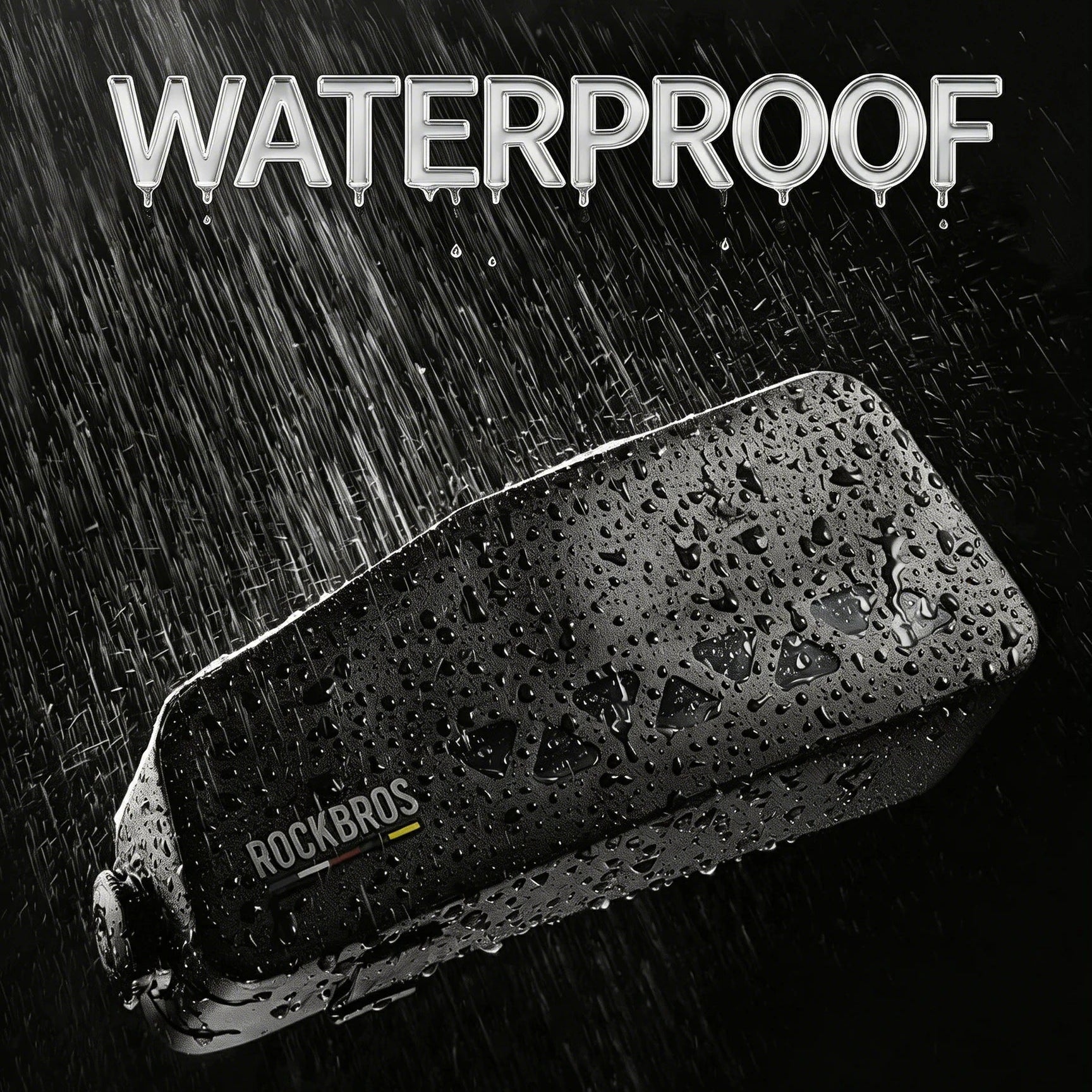
A water resistant handlebar bag can usually handle light rain, road spray, or damp conditions. This may be enough for many daily riders. A fully waterproof or completely waterproof bag should use waterproof materials and sealed construction, but actual protection depends on the seams, zipper, closure design, and fabric.
Some bags use a top flap, roll-top closure, coated fabric, waterproof zipper, or protective interior lining to help keep water out. Others use ripstop nylon or abrasion resistant panels for durability. These features can improve performance, but riders should still check the specific product details before assuming a bag is waterproof.
If you commute in heavy rain or carry electronics, use an extra waterproof pouch inside the bag. This is a simple backup for your phone, wallet, cards, or documents, even if the outer bag is designed for wet conditions.
Materials and Durability
A commuting handlebar bag should be durable enough for repeated daily use. It may be exposed to sun, rain, road spray, bike racks, and frequent removal from the bike.
Useful durability features may include ripstop nylon, abrasion resistant panels, reinforced seams, strong buckles, durable straps, and reinforced attachment points. These details matter because the bag’s straps and mounting areas often take more stress than the fabric body.
Durability is also about shape and support. A bag that sags too much may move around or hang too close to the front tire. A well-structured bag should stay secure when loaded with normal commuting essentials.
For daily use, simple construction is often better than unnecessary complexity. A great bag for commuting should be easy to attach, easy to open, easy to organize, and strong enough for repeated rides.
Should You Choose a Bag With a Shoulder Strap?
Some handlebar bags include an included shoulder strap, while others offer a shoulder strap sold separately. This feature can be useful if you often remove the bag from the bike and carry it into an office, store, café, or classroom.
A removable strap is usually better than a fixed strap because it will not hang loose while riding. If you want to use the bag as a small shoulder bag, check whether the attachment points feel secure and whether the strap is comfortable enough for short off-bike use.
This feature is useful for commuters, but it should not be the main reason to choose a bag. The bike attachment system matters more. A bag should be stable on the bike first and convenient to carry second.
Can a Commuting Handlebar Bag Work for Longer Rides?
Yes, a commuting handlebar bag can also work for longer rides, depending on its size and stability. Many riders use a front bag for snacks, gloves, a phone, wallet, camera, or light layer during a group ride, weekend ride, or gravel route.
For longer rides, extra storage can be helpful, especially when you want food, tools, or small clothing layers within reach. However, a commuting bar bag is not the same as a full bikepacking setup.
A bikepacking trip or multi day adventure usually requires more storage capacity and more specialized bike packing bags, such as frame bags, large saddle packs, fork bags, or handlebar rolls. A small commuting handlebar bag can support that setup, but it usually should not be the only bag.
If you use one bag for commuting and longer rides, keep the load reasonable. A slightly larger handlebar bag can be useful, but too much weight on the bars can affect handling, especially on rough roads.
What Should You Carry in a Handlebar Bag for Commuting?
A handlebar bag is best for essential items you may need before, during, or right after the ride.
Common commuting items include:
-
Phone
-
Wallet
-
Keys
-
Lip balm
-
Sunglasses or clear lenses
-
Snacks
-
Compact hand pump
-
Small multi-tool
-
Tire levers
-
Gloves
-
Light jacket
-
Charging cable
-
Small lock
-
Work badge
-
Other small items
Pack heavier items low in the main compartment. Keep valuables in a zippered pocket if available. Use mesh pockets, elastic loops, or small pouches to separate tools from electronics.
The goal is not to fill every inch of space. The goal is to carry the right items in a way that keeps them secure, organized, and easy to reach.
Common Mistakes to Avoid
The first mistake is choosing a bag that is too large. A bigger bag may look more useful, but extra space often leads to extra weight. Too much weight on the handlebars can make steering feel slower or less stable.
The second mistake is ignoring bike fit. Not all handlebar bags fit all bikes. Drop bars, flat bars, cable routing, brake hoses, front lights, bike computers, and front tire clearance can all affect whether a bag works well.
The third mistake is assuming every bag is waterproof. Many handlebar bags are water resistant, not fully waterproof. If rain protection matters, check the material, seams, zippers, top flap, roll-top closure, and closure design.
The fourth mistake is poor organization. If everything is loose inside one compartment, small items can be hard to find and may damage each other. Internal mesh pockets, elastic webbing, elastic loops, side pockets, and a secure zippered pocket can make a commuting bag easier to use.
The fifth mistake is overloading the bag for longer rides. A front bag is convenient, but it should not replace a larger storage system when you need to carry bulky clothes, heavy tools, or work gear.
How to Read Handlebar Bag Recommendations
When searching for handlebar bag recommendations, you may see phrases like best handlebar bag, best bike handlebar bags, great handlebar bag, or perfect bar bag. You may also see common comparison examples in search results, such as Rapha bar bag, Ornot handlebar bag, Road Runner Bags, Swift Industries Catalyst Pack, Catalyst Bag, or Ortlieb Ultimate.
These names often appear because riders compare different styles of bar bags, from compact city bags to larger adventure-focused bags. But the right commuting bag should be chosen based on your actual needs, not just search popularity or brand recognition.
Instead of focusing only on “best” lists, compare practical details:
-
Does the bag fit your handlebars?
-
Does it clear the front tire when loaded?
-
Does it have enough room without being bulky?
-
Is the mounting system stable?
-
Does it use secure attachment points?
-
Does it have useful mesh pockets or a zippered pocket?
-
Is it water resistant, fully waterproof, or completely waterproof?
-
Can it be removed easily?
-
Does it work with your lights, cables, and bike computer?
-
Can it carry your daily essentials without affecting handling?
A great handlebar bag for one rider may be too large, too small, or too unstable for another. For commuting, the best choice is the bag that fits your bike, your route, and your everyday carry needs.
Final Thoughts
A handlebar bag for commuting is a practical way to carry small daily essentials on a bike. It gives you quick access to important items, reduces the need for a backpack, and adds useful extra storage without requiring a rear rack.
For most riders, the right bag is not the largest one. It is a stable, easy-to-use bag with enough room for essential items, a secure attachment system, practical pockets, and weather protection that matches local riding conditions.
Before choosing a bag, check your handlebar space, cable routing, front tire clearance, mounting system, and daily carry needs. Keep the load reasonable and use pockets or pouches to keep things organized.
Used correctly, a handlebar bag can make the daily commute simpler, cleaner, and more comfortable.
FAQ
Is a handlebar bag good for commuting?
Yes. A handlebar bag is good for commuting because it keeps essential items easy to reach and reduces the need to carry everything in a backpack, messenger bag, or shoulder bag. It works best for small items like a phone, wallet, keys, snacks, gloves, lip balm, and compact tools.
What size handlebar bag is best for a daily commute?
For most commuters, a small or medium handlebar bag is enough. It should have enough space for daily essentials without adding too much weight to the handlebars. If you need to carry clothes, shoes, lunch, or a laptop, a rear rack, pannier, trunk bag, or messenger bag may be better.
Are handlebar bags waterproof?
Some handlebar bags are fully waterproof or completely waterproof, but many are only water resistant. Check the product details, including fabric, seams, zipper, top flap, roll-top closure, and closure design. For electronics, it is smart to use a small waterproof pouch inside the bag.
Will a handlebar bag affect bike handling?
It can if the bag is too large, too heavy, or not attached securely. A stable mounting system and proper packing help reduce movement. Always make sure the bag does not swing, interfere with cables, block lights, or touch the front tire.
Can I use a handlebar bag on a road bike?
Yes. Many road bikes can use a handlebar bag, but fit depends on handlebar width, brake lever position, cable routing, light placement, and front tire clearance. Compact bike handlebar bags are usually easier to fit on road bikes than larger bikepacking-style bags.
What should I carry in a handlebar bag for commuting?
A commuting handlebar bag is best for small essential items, such as a phone, wallet, keys, snacks, lip balm, gloves, sunglasses, compact hand pump, tire levers, and a small multi-tool. Heavier or bulkier items are usually better carried in a rear rack bag, pannier, or backpack.


Leave a comment
This site is protected by hCaptcha and the hCaptcha Privacy Policy and Terms of Service apply.