

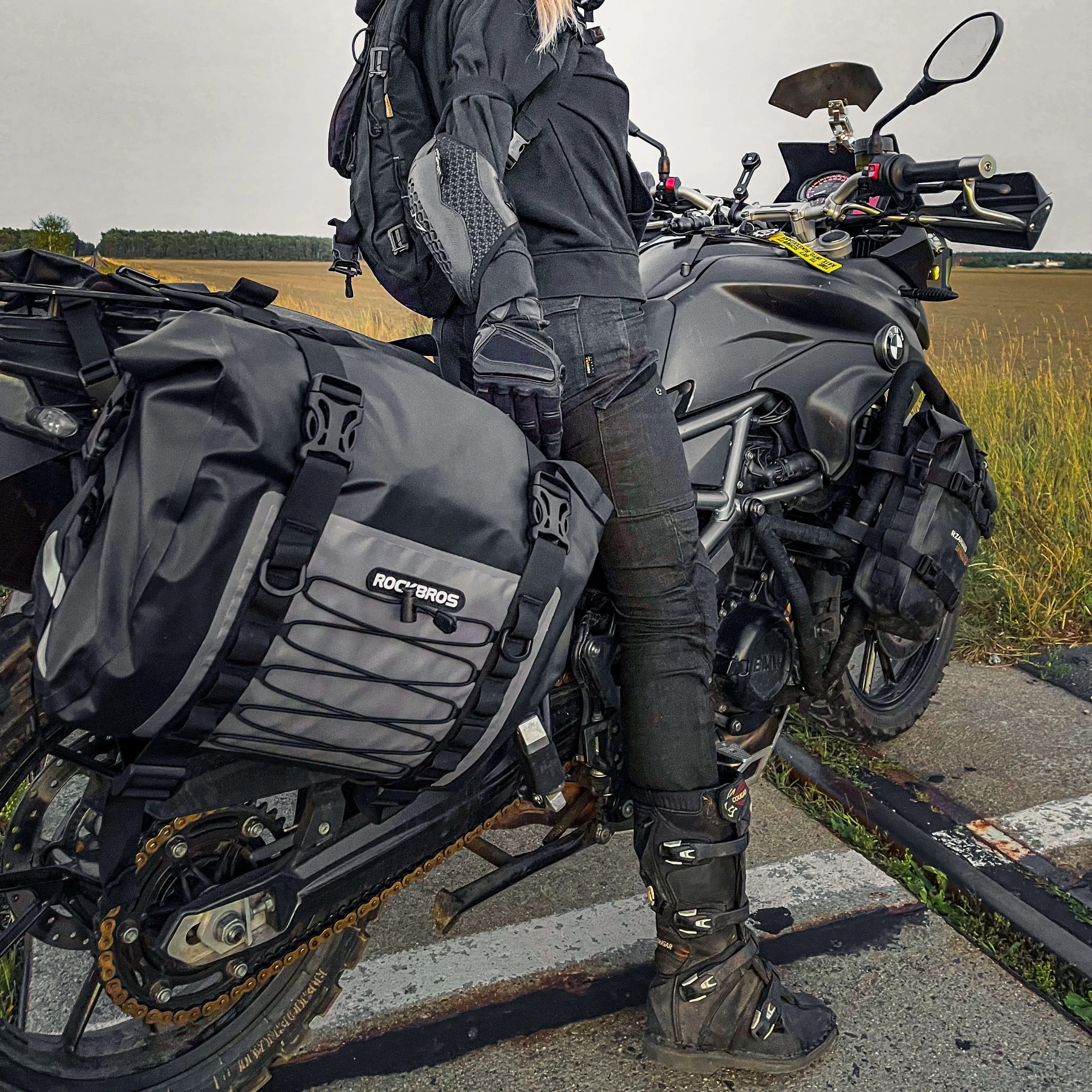


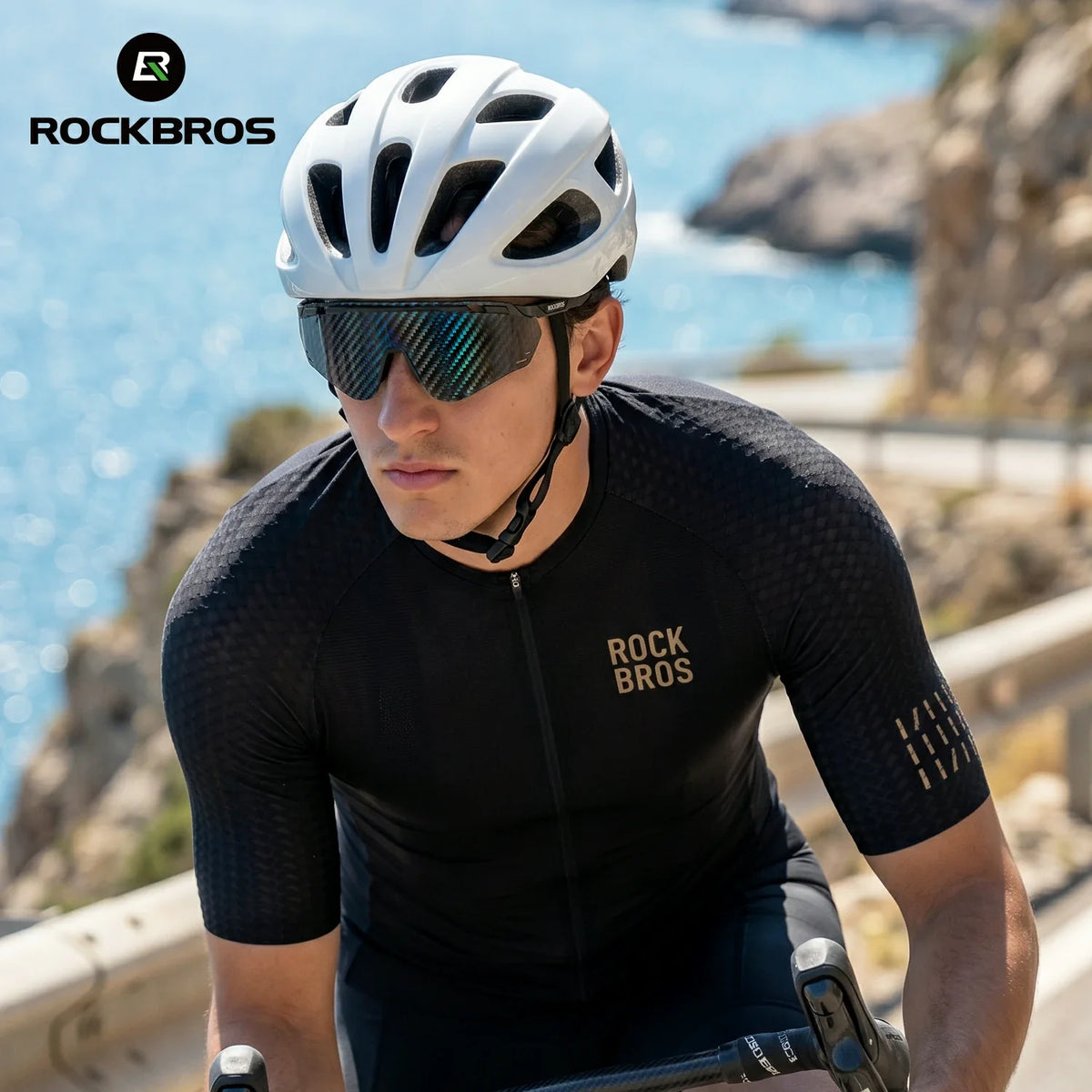
Cycling exposes your eyes to more than wind and road debris. Every outdoor ride also brings sunlight, glare, dust, insects, and changing light conditions. That is why many riders ask a simple question: do you need UV400 cycling glasses?
For most outdoor cyclists, the answer is yes. UV400 cycling glasses help reduce exposure to harmful UV rays, including UVA and UVB rays, while also supporting clearer vision in bright sunlight, city traffic, mountain trails, and long rides. Whether you ride under direct sunlight, through shaded roads, or on wet roads after rain, the right cycling glasses can make your ride more comfortable and help protect your eyes from the riding environment.
This guide explains what UV400 protection means, why UV rays matter for cyclists, and how to choose cycling sunglasses or cycling glasses based on lens quality, fit, glare control, and real riding conditions.
What Does UV400 Protection Mean?
UV400 protection means the lenses are designed to block ultraviolet light up to 400 nanometers. This range includes both UVA and UVB rays, which are types of ultraviolet radiation from the sun.
UV light is part of electromagnetic radiation. You cannot see it the same way you see visible light, but it can still reach your eyes. A lens with UV400 protection helps reduce UV exposure by filtering out harmful UV rays before they reach the eye.
This matters because not all sunglasses offer the same level of UV protection. Some dark sunglass lenses may reduce brightness but still allow UV radiation through if they do not have a proper UV rating. That can be a problem because darker lenses may cause your pupils to open wider, which can allow more UV light into the eye if the lenses do not provide real protection.
For cycling, UV400 protection is one of the most important features to check before choosing a new pair of glasses.
Why UV400 Cycling Glasses Matter for UV Protection
Cyclists spend a lot of time outdoors, often during bright conditions or direct sunlight. Long rides increase UV exposure, especially when you ride during the middle of the day, at higher elevations, or on open roads with little shade.
UV rays can also reflect off many surfaces around you. Reflective surfaces such as wet roads, car hoods, car windows, concrete, sand, and even snow can increase the amount of light and glare reaching your eyes. On a sunny morning, the sun may sit low in the sky and create strong reflections from horizontal surfaces, making it harder to see the road ahead.
Long-term UV exposure is one reason eye protection is often recommended for outdoor activities. In highly reflective environments, such as snow, water, wet roads, or bright concrete, UV exposure and glare can become even more noticeable.
Cyclists do not need extreme conditions to benefit from UV protection. Regular commuting, weekend cycling, and outdoor activities can expose the eyes to UVA and UVB rays over time. That is why UV400 cycling glasses are useful for more than just summer rides.
Are Regular Sunglasses Enough for Cycling?
Regular sunglasses may help reduce brightness, but they are not always the best choice for cycling. Cycling sunglasses are designed for movement, airflow, coverage, and fit. They usually sit more securely around the nose bridge and face shape, helping protect the eyes from wind, dust, insects, and road debris.
The key issue is protection. Sunglasses should be considered UV sunglasses only if they clearly state a proper UV rating, such as UV400 protection or 100% UVA and UVB protection. Without that information, you cannot assume the sunglass lenses protect your eyes from harmful UV rays.
Cycling glasses also need to stay stable at high speeds. Features such as grippy nose pads, a comfortable nose bridge fit, and lightweight but durable materials can help keep the glasses in place during hard efforts, bumpy roads, or mountain trails.
Clear vision is part of safe cycling. The best option is not simply the darkest lens, but the right combination of UV protection, lens quality, fit, and visibility.
UV400 vs Polarized Lenses: What Is the Difference?
UV400 protection and polarized lenses are not the same thing.
UV400 protection is about blocking UV rays. It helps protect your eyes from UVA and UVB rays.
Polarized lenses are designed to reduce glare from reflective surfaces. Polarized sunglasses can be useful when riding near water, wet roads, car hoods, or other horizontal surfaces that create harsh glare.
For cycling, polarized lenses can help reduce glare and improve comfort in bright sunlight. However, polarized lenses do not automatically mean UV400 protection. A pair of polarized sunglasses still needs a clear UV rating to confirm that it offers UVA and UVB protection.
There are also some situations where polarized lenses may not be ideal for every rider. In certain light conditions, polarized lenses can make it harder to read some bike computers, phone screens, or digital displays. Some riders may also notice visual distortion when looking at wet patches, glass, or shiny road surfaces. This does not mean polarized sunglasses are bad for cycling. It simply means riders should choose lens type based on their riding environment and personal comfort.
If your main concern is eye protection, start with UV400 protection. If your main concern is glare, polarized lenses may also help.
Do You Need UV400 Cycling Glasses on Cloudy Days?
Yes, UV protection still matters on cloudy days and overcast days. Clouds can reduce visible light, but UV radiation can still pass through. This is why your eyes can still experience UV exposure even when the sun does not feel intense.
Many riders make the mistake of wearing no glasses when the sky is cloudy. But cycling glasses are not only for bright sun. They also help protect against wind, dust, insects, and small road debris. A clear lens with UV400 protection can be useful for low light, cloudy days, early mornings, and shaded mountain trails.
The main point is that UV protection should not depend only on how bright the day feels. UV rays are present in many conditions, and cyclists are often outside long enough for exposure to add up.
Choosing the Right Lens Type for Cycling
The right lens type depends on where and when you ride.
For bright sunlight and open roads, darker sunglass lenses with UV400 protection can reduce brightness and help limit eye fatigue. If glare is a major issue, polarized lenses may also be useful.
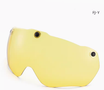
For low light, shaded roads, or overcast days, a clear lens or lighter tint may be better. The lens should still provide UV protection if you ride outdoors. Clear lenses are especially useful when you want eye protection from wind and road debris without making the view too dark.
For changing light conditions, some riders prefer photochromic lenses because they adjust based on light levels. This can be helpful when moving between bright sun and shaded areas, such as forested mountain trails or mixed urban routes.
Interchangeable lenses are another option. They allow riders to switch between clear, tinted, or specialized lenses depending on the ride. This can be useful for cyclists who ride in different seasons, times of day, or weather conditions.
No single lens type is best for every rider. The goal is to match the lenses to your most common riding conditions.
Why Lens Quality Matters
UV protection is essential, but lens quality also affects how comfortable and safe the glasses feel on the bike. Poor lens quality can cause visual distortion, uneven clarity, or eye strain during long rides.
Good cycling glasses should allow you to see the road ahead clearly. When you are moving at high speeds, even small changes in clarity can affect confidence. You need to see cracks, gravel, potholes, traffic movement, trail features, and wet road surfaces without distraction.
Lens quality also affects durability. Cycling glasses are exposed to sweat, dust, fingerprints, high heat, and repeated cleaning. Some lenses may include features such as anti fog treatment or hydrophobic coating to help with fogging, moisture, and water spots. These features can improve comfort, but they should not replace proper UV protection.
When choosing UV sunglasses for cycling, look for both a reliable UV rating and clear optical performance.
Fit and Coverage Are Part of Protection
UV400 protection is most effective when the glasses cover your eyes properly. If the lenses are too small or the frame sits poorly on your face shape, light can enter from the top, bottom, or sides.
Cycling glasses usually offer more coverage than casual sunglasses. A wraparound shape can help reduce wind, glare, and side exposure. The fit around the nose bridge is also important. If the glasses slide down during a ride, they may leave gaps that affect visibility and protection.
Nose pads can improve stability, especially when you sweat or ride in high heat. Comfortable contact points also matter because pressure around the nose bridge or temples can become distracting on long rides.
A secure fit helps the glasses stay in place when you look over your shoulder, ride downhill, or handle rough pavement. Protection is not only about the lenses. It is also about how the glasses fit while cycling.
Should Riders Who Wear Prescription Lenses Use UV400 Cycling Glasses?
Riders who use prescription lenses should also think about UV protection. Prescription sunglasses, prescription cycling glasses, or cycling-compatible inserts may help riders get vision correction and sun protection at the same time.
The key is to confirm the UV rating. Prescription lenses do not automatically provide full UV400 protection unless the lens material or coating is designed for it. If you wear prescription sunglasses for cycling, make sure they offer UVA and UVB protection and enough coverage for outdoor riding.
For some riders, contact lenses plus cycling sunglasses may be more comfortable. For others, prescription cycling glasses are the better option. The right choice depends on vision needs, face shape, comfort, budget, and riding style.
When Should You Wear UV400 Cycling Glasses?
You should consider wearing UV400 cycling glasses during most outdoor rides, especially in these conditions:
-
Bright sunlight or direct sunlight
-
Long rides with extended UV exposure
-
City traffic with glare from car windows and car hoods
-
Wet roads or reflective surfaces
-
Mountain trails with changing light conditions
-
Cloudy days or overcast days
-
Low light rides where a clear lens still offers eye protection
-
High-speed rides where wind, insects, and road debris are concerns
Cycling glasses are not only for sunny days. They help protect your eyes across many riding environments.
Final Answer: Do You Need UV400 Cycling Glasses?
For most cyclists, UV400 cycling glasses are a smart choice. They help protect your eyes from harmful UV rays, reduce discomfort from bright sunlight, and provide a barrier against wind, dust, insects, and road debris.
The most important thing is to choose glasses with real UV400 protection or a clear UV rating that covers UVA and UVB rays. After that, consider lens type, lens quality, fit, glare control, and the light conditions you ride in most often.
A good value pair is not simply the darkest or cheapest option. It should combine UV400 protection, clear vision, stable fit, and the right lens type for your riding conditions.
Polarized lenses can be helpful for reducing glare, but they are not a replacement for UV protection. Clear lenses can be useful in low light, but they should still protect against UV rays if used outdoors. Interchangeable lenses can offer flexibility for riders who face different weather and light levels.
The right protection helps you ride with clearer vision, less eye fatigue, and more confidence on the road or trail. For commuting, weekend cycling, mountain trails, and long rides, UV400 cycling glasses are a practical part of safe cycling gear.
FAQ
1. Do you need UV400 cycling glasses if you already wear sunglasses?
Yes, if your sunglasses do not clearly list UV400 protection or 100% UVA and UVB protection. Not all sunglasses are considered UV sunglasses. Dark lenses may reduce brightness, but they do not guarantee the right UV rating.
2. Are polarized lenses the same as UV400 protection?
No. Polarized lenses reduce glare from reflective surfaces, while UV400 protection blocks UVA and UVB rays up to 400 nanometers. Some polarized sunglasses also offer UV400 protection, but you should check the UV rating to confirm.
3. Can cycling sunglasses reduce eye strain?
Yes, cycling sunglasses can help reduce eye strain and eye fatigue by limiting bright light, glare, wind, and airborne debris. Lens quality, proper fit, and the right lens type for your light conditions all affect comfort.
4. Are clear cycling glasses useful?
Yes. A clear lens can be useful for low light, cloudy days, shaded mountain trails, or night riding when you still want protection from wind, insects, and road debris. For outdoor daytime use, choose clear lenses that still offer UV protection.



Dejar un comentario
Este sitio está protegido por hCaptcha y se aplican la Política de privacidad de hCaptcha y los Términos del servicio.