
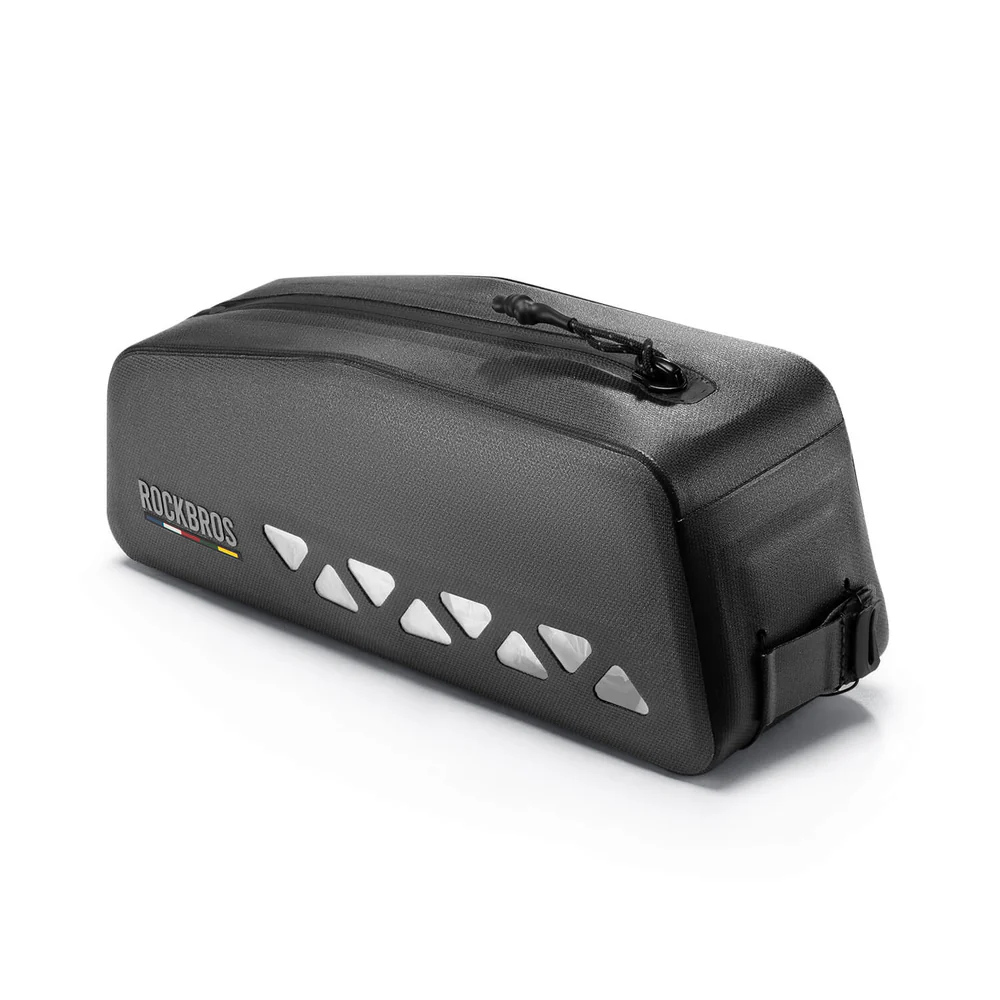


A bike saddle bag is one of the most useful small storage options on a bike. It sits under the saddle, attaches near the saddle rails, and keeps essential repair gear on the bike instead of taking up space in your jersey pocket.
So, what should you keep in a bike saddle bag? For most riders, the answer is simple: carry just the essentials needed to fix a flat tire, handle a small mechanical issue, and deal with minor ride emergencies.
A good saddle bag setup usually includes a spare tube, tire levers, a small multi tool, a patch kit, a tire boot, a CO2 cartridge or small pump access, a quick link, zip ties, duct tape, gloves, and basic emergency info. The exact list depends on your bike, tire setup, ride distance, and how much space your bag has.
This guide explains what to pack, why each item matters, and how to keep your saddle bag organized for your next ride.
Why a Bike Saddle Bag Matters
A saddle bag keeps your repair kit attached to the bike, so you do not have to remember every tool before every ride. Once packed correctly, it becomes a reliable backup for commuting, road bike rides, group rides, and weekend routes.
Compared with a frame bag or top tube bag, a saddle bag is usually better for items you do not need while actively riding. Food, a cell phone, wallet, or bike computer may be easier to access from a jersey pocket, handlebar bag, or top tube bag. A saddle bag is best for tools, tire repair items, and small emergency gear that can stay on the bike.
The only downside is limited space. Most saddle bags are compact, so the goal is not to carry everything. The goal is to carry the right things.
Essential Saddle Bag Checklist
For most everyday rides, your saddle bag should include:
-
One spare tube or TPU tube
-
Tire levers
-
Small multi tool or mini tool
-
Patch kit or tire repair kit
-
Tire boot
-
CO2 cartridge and inflator head, or access to a small pump
-
Quick link
-
Zip ties
-
Small roll of duct tape
-
Nitrile gloves or latex gloves
-
Plastic bag or Ziploc bag
-
Emergency cash, ID, or insurance info
This setup covers the most common roadside problems: a flat tire, loose bolt, broken chain, small tire cut, slow leak, or minor adjustment. These little things may not be used on every ride, but they are valuable when something goes wrong.
Flat Tire Items to Keep in a Saddle Bag
A flat tire is the main reason most riders open their saddle bag. Whether you ride with standard tubes, TPU tubes, or a tubeless tire setup, your bag should include the basics for tire repair.
Spare Tube
Carry at least one spare tube that matches your wheel size, tire width, and valve type. If your wheels have deeper rims, check whether you need a valve extender. A tube with the wrong valve stem length may not work when you need it.
Even if you ride a tubeless tire setup, carrying one spare tube is still smart. Sealant can handle many small punctures, but it may not fix a larger tire cut, damaged valve stem, or slow leak that keeps coming back. In that situation, installing a tube may be the best way to finish the ride.
TPU tubes are useful for riders who want to save space because they pack smaller than many standard inner tubes. If you carry TPU tubes, follow the tube maker’s instructions for installation, inflation, and CO2 use.
Tire Levers
Tire levers help remove the tire from the rim so you can replace or repair the inner tube. Many riders carry two levers because some tire and rim combinations are tight. If your setup is easy to remove, one tire lever may be enough, but two levers provide more control.
Strong plastic levers are usually a practical choice because they are less likely to damage the rim than metal tools. Pedro’s tire levers are often mentioned by riders because they are sturdy, but the key point is simple: carry tire levers that work well with your tire and rim setup.
Patch Kit
A patch kit gives you a backup if your spare tube fails or if you get more than one flat on the same ride. Pre glued patches are compact and easy to carry, while traditional patches can also work well when applied correctly.
A patch kit should not replace a spare tube for most riders. It is better to think of it as extra insurance. Replace the tube first when possible, then use patches as a backup.
Tire Boot
A tire boot is used when the tire casing has a cut large enough that the tube could push through. Without a tire boot, a new tube may bulge out through the damaged tire and fail again.
A dedicated tire boot is the cleanest solution. In an emergency, some riders use a folded wrapper, a section of old tire, or strong tape. For longer rides, carrying a proper tire boot is a better option because it is small, light, and designed for this exact problem.
CO2 Cartridge or Small Pump
A CO2 cartridge is compact and fast. It is useful on road bike rides or group rides where a quick flat repair matters. A small pump takes more effort, but it can be used more than once.
Many riders carry a CO2 cartridge in the saddle bag and mount a small pump on the bike. This gives you a fast option and a reusable backup. If you only carry CO2, remember that one failed inflation can leave you without another way to inflate the tire.
Basic Tools for Roadside Repairs
Your saddle bag should also include a few tools for small mechanical issues. These items do not take much space, but they can help you stay self sufficient.
Small Multi Tool
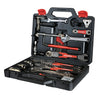
A small multi tool or mini tool is one of the most useful items in a saddle bag. It can help tighten a loose stem bolt, adjust the saddle, fix a bottle cage, or make small changes during a ride.
Before packing one, check the bolts on your bike. Many bikes use hex keys, but some components may require Torx bits. The best multi tool is not always the one with the most features. It is the one that fits your bike and is compact enough to carry.
Chain Tool and Quick Link
A broken chain is less common than a flat tire, but it can end a ride immediately. A chain tool lets you remove a damaged chain link, while a quick link helps reconnect the chain.
Some multi tools include a chain tool. If yours does not, decide based on your ride type. For short rides near home, it may not be essential. For long rides, gravel routes, mountain biking, or solo rides, a chain tool and quick link are worth considering.
Make sure the quick link matches your chain speed. A quick link for the wrong drivetrain may not fit correctly.
Zip Ties
Zip ties are light, small, and useful. They can hold a loose cable, secure a broken mount, stop something from rubbing the tire, or temporarily fix a bag or accessory.
Carry a few small zip ties in the bottom of your saddle bag. They take up very little space and can solve many small problems.
Duct Tape
A small roll of duct tape can help with temporary repairs. It can secure loose bar tape, cover a sharp edge, hold a broken accessory in place, or help with an emergency fix.
You do not need to carry a full roll. Wrap a short length around a tire lever, plastic card, or small pump body to save space.
What to Carry for a Tubeless Setup
A tubeless setup changes what you carry, but it does not mean you should ride without backup. Tubeless tires can reduce some flats, but cuts, valve problems, and sealant failures still happen.
For tubeless rides, consider packing:
-
Tubeless plug tool
-
Tire repair plugs
-
Spare tubeless valve
-
Valve core tool
-
One spare tube
-
CO2 cartridge or pump access
A plug tool can fix punctures that sealant cannot close on its own. A spare tubeless valve helps if the valve stem gets damaged or clogged. A valve core tool is useful when the valve core needs to be tightened, removed, or cleaned.
Even with tubeless tires, one spare tube is still a practical backup. If the tire has a large cut or the bead will not seal, a tube may help you get home.
Personal and Emergency Items
A saddle bag is mainly for repair tools, but a few personal items are worth adding if you have enough room.
ID, Cash, and Insurance Info
Carry a small card with your name, emergency contact, and basic insurance info. Keep it in a plastic bag or Ziploc bag to protect it from water, dirt, and chain grease.
A small amount of cash can also be useful for buying water, food, or emergency transportation. Even if you usually carry a wallet or cell phone, backup information on the bike is a smart habit.
First Aid Kit
A full first aid kit may be too large for a small bag, but a basic aid kit can fit if packed carefully. Consider a few bandages, antiseptic wipes, and a small piece of gauze.
For short rides near home, this may be optional. For solo rides, long routes, gravel roads, or remote areas, basic first aid is more important.
Nitrile Gloves or Latex Gloves
Nitrile gloves or latex gloves keep your hands clean during tire repair or chain repair. They are especially helpful if you need to handle a greasy chain, remove the rear wheel, or deal with tubeless sealant.
After the repair, put the used gloves in a plastic bag so they do not dirty the rest of your gear.
Plastic Bag or Ziploc Bag
A small plastic bag or Ziploc bag is useful for organizing loose items and keeping them dry. It can hold your patch kit, insurance info, cash, valve parts, or small repair pieces.
It can also be used for trash, a dirty tube, used gloves, or even toilet paper on a longer ride. A rubber band can help keep small items bundled together and reduce rattling inside the bag.
What Not to Keep in a Saddle Bag
A saddle bag should not become a place for random stuff. Overpacking makes it harder to find tools and can cause the bag to swing, rub, or feel bulky.
In most cases, avoid packing:
-
Large food items
-
Full wallet
-
Cell phone
-
Heavy tools you do not know how to use
-
Extra clothing layers
-
Too many spare parts
-
Items you need while riding
Food, phone, and wallet usually belong in a jersey pocket, frame bag, or top tube bag where they are easier to reach. A saddle bag is better for repair items that can stay on the bike until needed.
The perfect size saddle bag is large enough to carry your repair kit, but not so large that it encourages unnecessary gear.
Short Ride vs Long Ride Saddle Bag Setup
For a short local ride, pack just the essentials:
-
One spare tube
-
Tire levers
-
Small multi tool
-
Patch kit
-
CO2 cartridge or small pump access
-
ID or emergency cash
For a longer ride, add more backup items:
-
Tire boot
-
Quick link
-
Chain tool
-
Zip ties
-
Duct tape
-
First aid kit basics
-
Spare tubeless valve if using tubeless
-
Valve extender if needed
-
Extra tube or TPU tube
For a group ride, do not assume another rider has what you need. Carrying your own repair kit makes you more self sufficient and helps the group avoid long stops.
For commuting, consider your route. If you ride through areas with glass, rough pavement, or limited bike shops nearby, a more complete tire repair kit is worth the extra space.
How to Pack a Saddle Bag
Pack the spare tube first, ideally inside a plastic bag or wrapped to protect it from rubbing against tools. A loose multi tool or tire lever can wear into an inner tube over time, so keep hard items separated from the tube.
A simple packing order works well:
-
Spare tube at the bottom
-
Tire levers along the side
-
Multi tool in the center
-
Patch kit, quick link, and valve parts in a small bag
-
Gloves, cash, and insurance info in a Ziploc bag
-
Zip ties and duct tape tucked along the edges
After packing, shake the bag. If things rattle, use a rubber band, small cloth, or plastic bag to keep items tight.
Also check how the bag attaches to the saddle rails and seatpost. It should not sway, touch your legs, rub the rear tire, or block your rear light.
Check Your Saddle Bag Before the Next Ride
A saddle bag is only useful if the items inside still work. Check it regularly, especially after a repair.
Before your next ride, confirm that:
-
The spare tube still holds air
-
The valve stem is the right length
-
The CO2 cartridge is unused
-
The patch kit is complete
-
The tire levers are not cracked
-
The quick link matches your chain
-
Your first aid items are clean and usable
-
You replaced anything used on the last ride
Many riders fix a flat, get home, and forget to replace the tube or CO2 cartridge. Then the next ride starts with an incomplete repair kit. Make it a habit to restock the bag as soon as possible.
Final Thoughts
Knowing what to keep in a bike saddle bag is about carrying enough to solve common problems without packing too much. For most riders, the best setup includes a spare tube, tire levers, a small multi tool, patch kit, tire boot, CO2 cartridge or pump access, quick link, zip ties, duct tape, gloves, and basic emergency info.
A saddle bag is not for everything. Keep food, phone, wallet, and frequently used items in a jersey pocket, frame bag, or top tube bag. Use the saddle bag for repair gear and small backup items that can stay on the bike.
When packed well, a saddle bag gives you confidence. Whether you are heading out for a road bike ride, daily commute, group ride, or weekend route, the right repair kit can help you handle a flat, fix a small mechanical issue, and get home without turning a minor problem into the end of the ride.
FAQ
What should I keep in a bike saddle bag?
A bike saddle bag should usually include one spare tube, tire levers, a small multi tool, patch kit, tire boot, CO2 cartridge or pump access, quick link, zip ties, duct tape, gloves, and emergency ID or insurance info. This setup covers common flat tire and roadside repair needs.
Do I need a spare tube if I ride tubeless tires?
Yes. A tubeless setup can seal many small punctures, but it may not fix a large cut, damaged valve stem, or slow leak. Carrying one spare tube gives you a backup if sealant or tire plugs do not solve the problem.
Should I carry one tire lever or two?
Two tire levers are safer for most riders because some tire and rim combinations are tight. If you know your tire is easy to remove, one tire lever may be enough. For most riders, two levers are worth the small amount of extra space.
Is a saddle bag better than a frame bag?
A saddle bag is better for compact repair items like a spare tube, tire levers, patch kit, and multi tool. A frame bag usually offers more space and easier access, so it may be better for food, clothing layers, or longer ride gear.
How often should I check my saddle bag?
Check your saddle bag every few weeks and after every repair. Replace any used tube, CO2 cartridge, patch, first aid item, or quick link before your next ride.


Dejar un comentario
Este sitio está protegido por hCaptcha y se aplican la Política de privacidad de hCaptcha y los Términos del servicio.