
Bike Saddle Bag vs Panniers: Which Bike Bag Setup Should You Use?

Choosing between a bike saddle bag vs panniers depends on how much gear you carry, how far you ride, and how your bike is built. A saddle bag is usually best for short rides, repair tools, and lightweight essentials. Panniers are better for daily commutes, bike touring, groceries, extra clothing, and heavier loads.

Both are useful bike bags, but they solve different problems. A saddle bag keeps small items tucked under the saddle. Pannier bags mount to a rear rack or front rack and give you much more storage space. The right choice depends on your riding style, carrying capacity needs, rack compatibility, and how much weight you want on the bike.

This guide explains the key differences between a saddle bag and panniers so you can choose the right setup for commuting, touring, bikepacking trips, or everyday rides.


Quick Comparison: Saddle Bag vs Panniers

Feature

Saddle Bag

Panniers

Best for

Short rides, repair tools, light essentials

Daily commutes, bike touring, heavy loads

Mounting location

Under or behind the saddle

On a front or rear rack

Rack required

Usually no

Usually yes

Carrying capacity

Small to medium

Medium to large

Weight position

Higher, behind the saddle

Lower, beside the wheel

Balance

Good with light gear, may sway if overloaded

Better for heavy loads when packed evenly

Common items

Spare tube, tire levers, multi-tool

Extra clothes, laptop, groceries, camping gear

Quick access

Limited while riding

Easier with pockets or a rack top bag

Fit concerns

Seat rails, saddle rails, seat post, dropper post

Rack mounts, disc brakes, heel clearance

Weather protection

Often water resistant

Water resistant or fully waterproof options


What Is a Bike Saddle Bag?

A saddle bag is a bag that attaches under or behind your bike saddle. Smaller versions are often called underseat bags. Larger versions may be called a seat bag, seat pack, or traditional saddlebag.

Most saddle bags attach to the saddle rails, seat rails, and seat post using buckles, clips, or velcro straps. Because they usually do not need a rear rack, they are simple to install and easy to use on many road, gravel, hybrid, and commuter bikes.

A saddle bag is commonly used to carry small ride essentials, such as:

  • Tire levers

  • Spare tube

  • Patch kit

  • Small multi-tool

  • CO2 inflator or mini pump

  • Cash, keys, or small personal items

  • A small plastic bag or dry bag for added protection

For many riders, a saddle bag is the easiest way to keep basic repair gear on the bike at all times. It works well for short rides, weekend road rides, daily fitness rides, and gravel routes where you only need the essentials.


What Are Panniers?

Panniers are bags that attach to the sides of a bike rack. Most riders use pannier bags on a rear rack, although some touring cyclists also use front panniers near the front wheel.

Panniers are common on commuting bikes, touring bikes, and long-distance setups because they provide more storage space than most saddle bags. They are designed for hauling gear, carrying extra clothing, and organizing larger loads.

Panniers can carry items such as:

  • Extra clothes or work clothing

  • Rain jacket or outer layer

  • Laptop, lunch, or office gear

  • Groceries

  • Lock and daily carry items

  • Camping gear

  • Sleeping bag

  • Food and cooking supplies

  • Stuff sacks or inner bags

For bike touring and bicycle touring, panniers are a proven setup because they offer strong carrying capacity and better organization. Some riders use small panniers for daily commutes, while touring cyclists may use rear panniers, front panniers, or even four panniers for long journeys.


Main Difference: Light Essentials vs Heavy Loads

The main difference between a saddle bag and panniers is carrying capacity.

A saddle bag is designed for compact items. It works best when you only need enough gear to fix a flat tire or handle a small roadside repair. If your ride requires tire levers, a spare tube, and a multi-tool, a saddle bag is usually enough.

Panniers are designed for larger and heavier loads. They make more sense when you need to carry extra clothes, work items, food, groceries, or camping gear. For daily commuters and touring cyclists, panniers are often more practical because they offer more space and better organization.

A simple rule:

Choose a saddle bag if you are carrying small essentials.

Choose panniers if you are carrying daily gear, bulky items, or heavy loads.


Carrying Capacity: How Much Storage Space Do You Need?

Before choosing bike bags, think about what you actually carry on a normal ride.

For short rides, a saddle bag can be enough. A compact underseat bag can hold a spare tube, tire levers, and a small tool kit. A larger seat bag may also fit snacks, lightweight gloves, or a thin jacket.

For daily commutes, panniers usually make more sense if you carry a laptop, lunch, lock, rain jacket, or extra clothing. A saddle bag may handle repair tools, but it will not replace a work bag.

For bike touring or bikepacking trips, the choice depends on your load. A seat pack can work for lightweight gear, but panniers provide more storage space for a sleeping bag, food, cooking items, and extra clothes.

If your gear is small and compact, use a saddle bag. If your load is bulky, heavy, or changes from day to day, panniers are usually the better choice.


Balance and Center of Gravity

Weight placement affects how the bike handles.

A saddle bag sits high and behind the saddle. With a light load, this usually does not affect balance much. But if the bag is overloaded, loosely packed, or not tightened correctly, it can move side to side. This saddle bag sway can become noticeable on gravel roads, climbs, or when riding out of the saddle.

Panniers sit lower on the bike when mounted to a rear rack. This helps keep the center of gravity low. Keeping gravity low can create better balance when carrying heavy loads, especially on touring bikes or commuter bikes with full daily gear.

However, panniers also need to be packed evenly. If one side is much heavier than the other, the bike may feel unbalanced. Keep dense items low in the bags and try to spread the weight evenly between both sides.

For light loads, a saddle bag is simple and stable. For heavy loads, panniers usually offer better balance when packed correctly.


Rear Rack and Mounting Hardware

A saddle bag is usually easier to mount. Most models attach directly to the saddle rails and seat post. This makes them useful for bikes without rack mounts.

Panniers usually require a compatible rear rack. This is where fit matters. Not every bike frame is designed for a rack, and not every rack works with every bike.

Before using panniers, check:

  • Whether your bike has rack mounting points

  • Whether the rack works with disc brakes

  • Whether the rack clears the tire and fender

  • Whether the rack supports your expected load

  • Whether the pannier hooks fit the rack tubing

  • Whether your heels hit the panniers while pedaling

  • Whether the mounting hardware stays secure on rough roads

Heel clearance is important. If pannier bags sit too far forward, your heel may hit the bag with every pedal stroke. This is uncomfortable and can make the bike harder to ride.

Most racks are made for standard commuting or touring use, but some bikes need special rack solutions, especially bikes with thru axles, suspension frames, smaller frames, or limited mounting points.


Saddle Bag Fit: Seat Rails, Saddle Rails, and Dropper Posts

A saddle bag also needs proper fit.

The bag should attach securely to the saddle rails or seat rails without rubbing the rear tire. It should also have enough clearance between the bottom of the bag and the tire, especially on smaller frames.

If your bike has a dropper post, fit becomes more important. A large seat pack may interfere with dropper post movement or rub the rear tire when the saddle is lowered. For mountain biking or bikepacking, riders with dropper posts often need smaller seat bags or stabilizing mounts.

The bag should be packed tightly and mounted straight. Loose straps can rub the tire, hit your legs, or make noise during the ride. A properly mounted saddle bag should feel secure when you shake it by hand.


Water Resistance and Weather Protection

Water protection matters if you commute, ride in changing weather, or carry clothing and electronics.

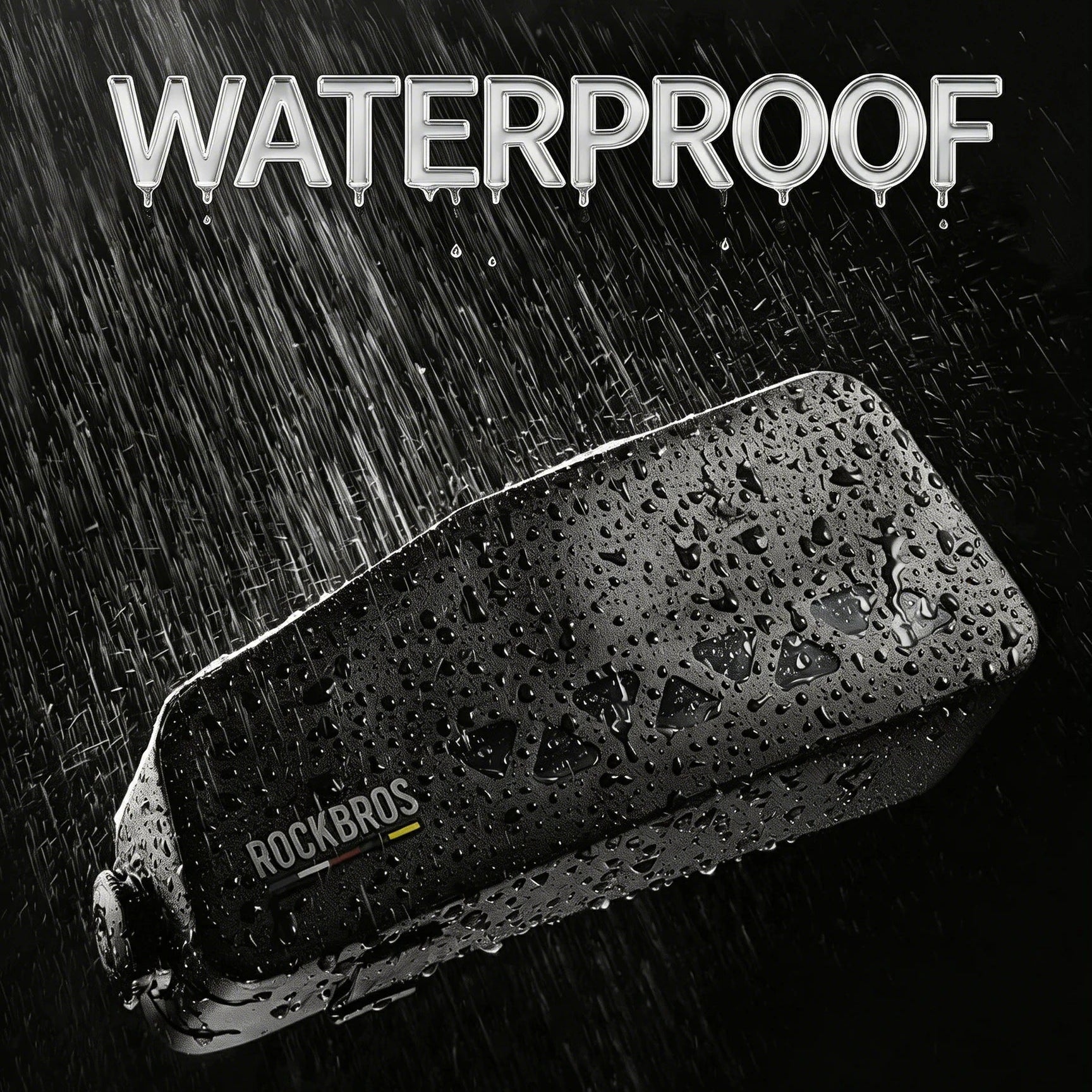
Many saddle bags are water resistant, which means they can handle light rain or road spray. But water resistant does not always mean fully waterproof. Zippers, seams, and openings may still allow water in during heavy rain.

For important items, use an additional layer such as a small dry bag, plastic bag, or inner bag. This is useful for phones, cash, repair patches, or extra clothing.

Panniers vary by design. Some are water resistant and use rain covers. Others are fully waterproof with roll-top closures or sealed seams. For daily commuters, stronger weather protection can be useful because work clothes, laptops, and documents need better protection.

For occasional short rides, water resistance may be enough. For wet commutes, long rides, or bike touring, a fully waterproof setup or dry bag system is safer.


Quick Access and Organization

A saddle bag is usually not designed for quick access while riding. Most riders stop before opening it. This is fine for repair tools, spare tubes, and emergency items.

Panniers can offer easier access because they have more space and may include pockets, inner bags, or separate compartments. Some riders also use a rack top bag above the rear rack for items they want to reach more often during stops.

For better organization, many riders combine different bike bags:

  • Saddle bag for tire levers and spare tube

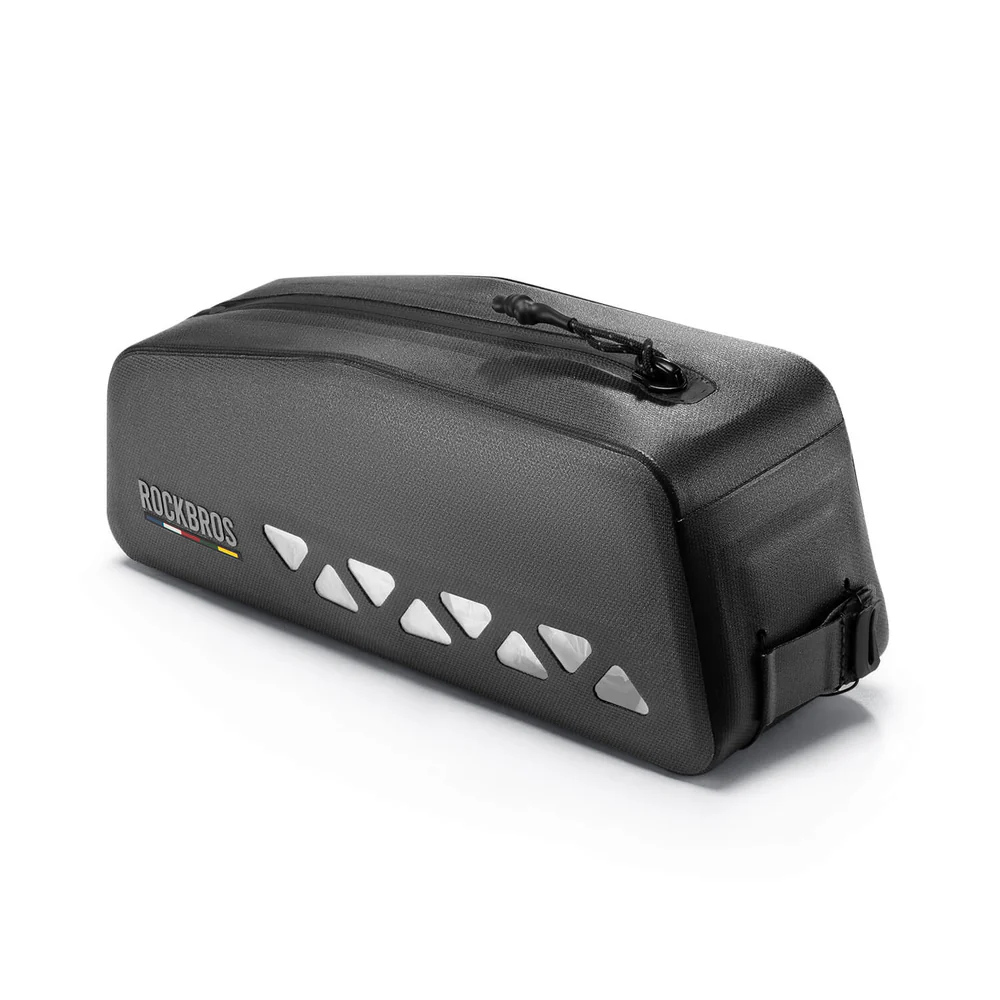
  • Top tube bag or tube bag for snacks and phone

  • Frame bag for compact heavy items

  • Panniers for clothing, work gear, or camping gear

  • Rack top bag for items used during stops

This setup keeps repair gear separate from daily or touring gear, which makes packing easier.


When a Saddle Bag Is the Better Choice

A saddle bag is the better choice when you want a simple, lightweight setup.

It works well for:

  • Short rides

  • Weekend road rides

  • Gravel rides with minimal gear

  • Riders who only carry repair essentials

  • Bikes without rear rack mounts

  • Riders who want to keep the bike narrow

  • Daily rides where a backpack or pannier is not needed

A saddle bag can also stay on the bike, so your repair kit is always ready. Many riders keep tire levers, a spare tube, and a small multi-tool inside the bag for every ride.

For riders who want less bulk, less setup time, and fewer parts on the bike, a saddle bag is often the ideal solution.


When Panniers Are the Better Choice

Panniers are the better choice when you need more space or regularly carry weight.

They work well for:

  • Daily commutes

  • Grocery trips

  • Carrying extra clothes

  • Riding to work with a laptop or lunch

  • Bike touring

  • Long journeys

  • Carrying camping gear

  • Hauling gear without wearing a backpack

Panniers are especially useful for daily commuters because they move weight off your shoulders and onto the bike. This can make the ride more comfortable, especially in warm weather or on longer routes.

For touring cyclists, panniers make packing easier because gear can be separated by category. Clothing, food, tools, and camping items can each have their own space.


Bikepacking Bags vs Panniers

Some riders compare panniers with bikepacking bags instead of only saddle bags.

Bikepacking bags usually include a seat pack, frame bag, handlebar bag, top tube bag, and sometimes fork-mounted bags. This setup keeps the bike narrower than panniers and is often used on gravel roads, mountain bikes, and routes where traditional racks may not fit well.

Compared with panniers, bikepacking bags are better for narrow handling and rougher routes. But they often provide less total storage space and can be harder to pack. A seat pack may also sway if overloaded.

Panniers usually provide more space and easier organization. Bikepacking bags usually provide a narrower profile and a rack-free setup.

For lightweight bikepacking trips, bikepacking bags may work well. For heavier touring loads, panniers are usually more practical.


Hard Panniers vs Soft Pannier Bags

Most bicycle panniers are soft bags made from fabric or coated materials. These are common for commuting, touring, and everyday riding because they are lighter, easier to remove, and easier to store.

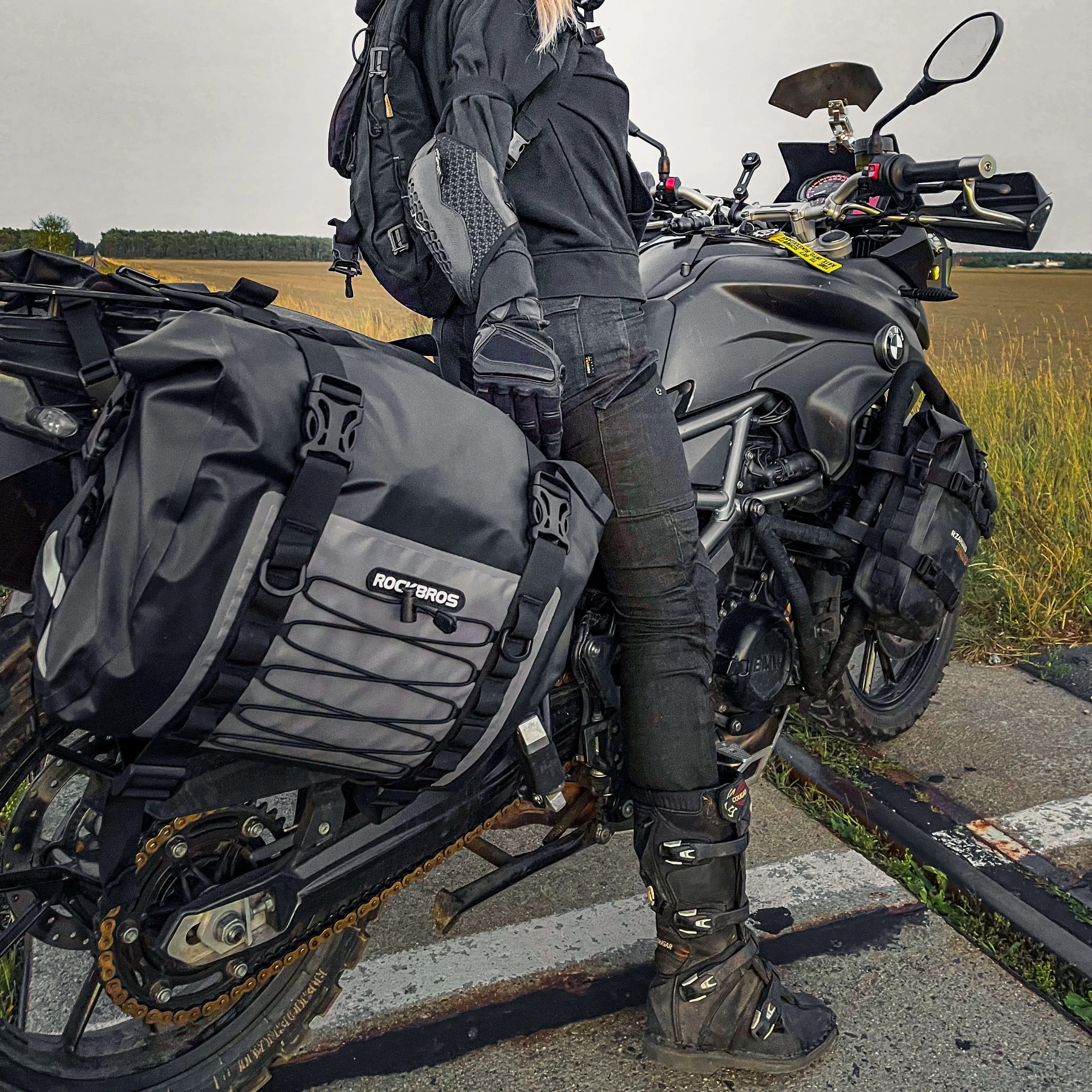
Hard panniers are less common on bicycles than on motorcycles, but some riders consider rigid storage for security or impact protection. The tradeoff is weight, bulk, and limited flexibility. For most cyclists, soft pannier bags are more practical because they compress better and are easier to handle off the bike.

For commuting and bike touring, focus less on whether a pannier is hard or soft and more on fit, carrying capacity, mounting security, water resistance, and how easy it is to load.


Can You Use a Saddle Bag and Panniers Together?

Yes. Many riders use both.

A saddle bag can hold flat repair tools, while panniers carry larger daily or touring items. This setup is useful because your repair kit stays on the bike even when you remove the panniers.

For example:

  • Saddle bag: spare tube, tire levers, multi-tool

  • Panniers: extra clothes, food, work gear, camping gear

  • Top tube bag: snacks, phone, small items

  • Frame bag: compact heavy items

This setup works well for commuters, touring cyclists, and riders who want better organization.


Saddle Bag vs Panniers by Riding Style

Short Rides

For short rides, a saddle bag is usually enough. You only need basic repair gear and maybe a small personal item. Panniers are usually more space than necessary unless you are carrying groceries or work gear.

Daily Commutes

For daily commutes, panniers are usually better if you carry a laptop, clothing, lunch, or rain gear. A saddle bag can still be useful for repair tools.

Road Cycling

For road cycling, many riders prefer a small saddle bag because it keeps the bike light and narrow. Panniers are less common unless the ride includes commuting or touring.

Gravel Roads

For gravel roads, both options can work. A small saddle bag is fine for light rides. For heavier loads, panniers need a stable rack and secure mounting. Bikepacking bags may also be a good middle option.

Bike Touring

For bike touring and long journeys, panniers usually offer the best carrying capacity. Touring cyclists often use rear panniers, front panniers, or a combination of panniers and other bags.

Bikepacking Trips

For lightweight bikepacking trips, a seat pack, frame bag, and top tube bag may be enough. For heavier gear or more comfort-focused trips, panniers can provide more space.


Final Answer: Bike Saddle Bag vs Panniers

For most riders, the choice between a bike saddle bag vs panniers depends on load size.

Choose a saddle bag if you want to carry small essentials, keep the bike light, and avoid installing a rear rack. It is best for short rides, repair tools, road rides, and simple daily setups.

Choose panniers if you need more storage space, better organization, and a lower center of gravity for heavier loads. They are better for daily commuters, grocery runs, bike touring, and longer trips.

Use both if you want the most practical setup: a saddle bag for repair gear and panniers for larger items. This keeps tools easy to manage while giving you enough room for clothing, food, work gear, or camping gear.

The best setup is the one that matches what you actually carry. If everything fits in a small underseat bag, keep it simple. If you need more room, a rear rack and pannier bags will usually make the ride easier.


FAQ

Is a saddle bag or pannier better for commuting?

For commuting, panniers are usually better if you carry a laptop, lunch, lock, rain gear, or extra clothes. A saddle bag is enough if you only carry repair tools and small essentials. Many daily commuters use both: a saddle bag for tools and panniers for work items.

Can panniers fit any bike?

No. Most panniers need a compatible rear rack, and the rack must fit your bike frame. Check for rack mounts, disc brake clearance, tire clearance, heel clearance, and rack weight limits before using panniers.

Do saddle bags sway while riding?

Small saddle bags usually do not sway much when packed tightly. Larger seat bags or seat packs can sway if they are overloaded, loosely packed, or not secured properly. Tight straps and careful packing help reduce movement.

Are panniers better for heavy loads?

Yes. Panniers are usually better for heavy loads because they sit lower on the bike and provide more carrying capacity. When packed evenly, they can help keep the center of gravity low and improve balance compared with carrying heavy gear high behind the saddle.

Can I use a saddle bag with a rear rack?

Yes. A saddle bag can be used with a rear rack as long as there is enough clearance. Many riders use a saddle bag for tire levers, a spare tube, and tools, while using panniers or a rack top bag for larger items.

Are panniers waterproof?

Some panniers are fully waterproof, while others are only water resistant or require rain covers. Check the bag design, seams, zippers, and closure style. For important items, use dry bags or inner bags as an additional layer of protection.


Puede que te interese

How to Choose Bike Fenders for Spring Rain | Full vs Clip-On Mudguards Guide

Dejar un comentario

Este sitio está protegido por hCaptcha y se aplican la Política de privacidad de hCaptcha y los Términos del servicio.