
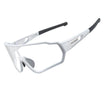


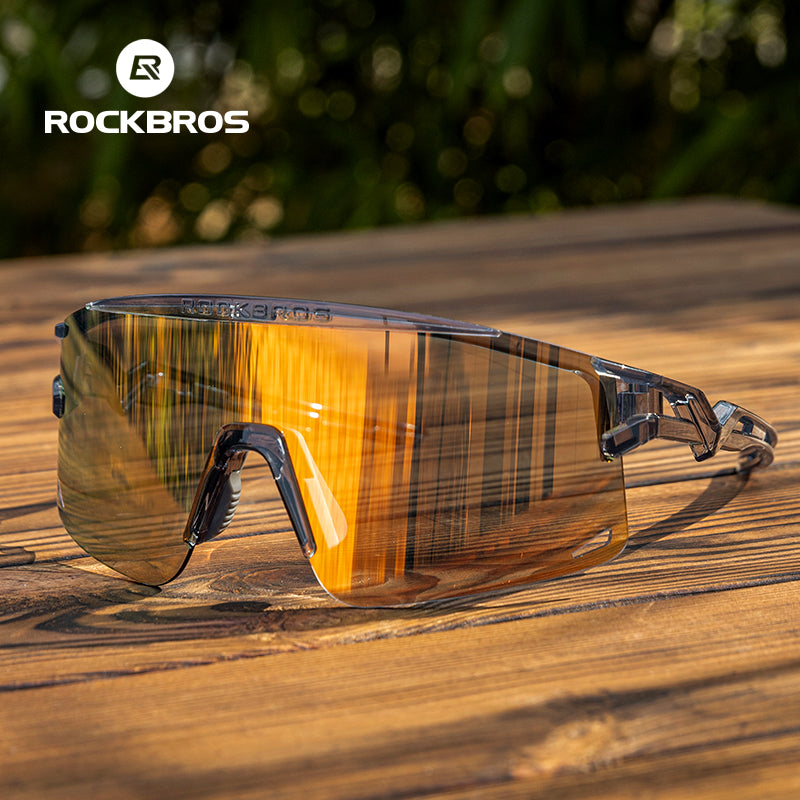
Foggy lenses can turn a normal ride into a frustrating and unsafe experience. One moment your vision is clear, and the next you are trying to see through moisture, smudges, and condensation while moving through traffic, climbing a hill, or riding in cold weather. For cyclists, this is more than a small nuisance. Clear visibility helps you read the road, avoid dust and debris, notice cars, and stay focused on the bike.
If you have ever wondered how to keep cycling glasses from fogging, the answer usually comes down to three things: airflow, moisture control, and clean lenses. Fogging happens when warm, moist air from your face, sweat, or breathing meets cooler lenses. The temperature difference causes condensation to form on the lens surface. Once that moisture builds up, your cycling glasses can become foggy very quickly.
The good news is that foggy glasses are not something cyclists simply have to accept. With the right fit, proper cleaning, anti fog habits, and better ventilation, you can reduce fogging and ride with clearer vision in more conditions.
Why Do Cycling Glasses Fog Up?
Cycling glasses fog up when moisture in warm air turns into tiny water droplets on cooler lenses. This usually happens when there is a temperature difference between your skin, breath, and the outside air.
Fogging is especially common when:
-
You stop suddenly after riding hard
-
You climb slowly and produce more heat
-
You ride in cold or wet weather
-
You wear a mask, neck gaiter, or winter cap
-
Your glasses sit too tight against your face
-
Your helmet or cap blocks airflow
-
The lenses are dirty or covered with sweat and smudges
During a ride, your body gives off heat and moisture. Sweat evaporates from your skin, and warm air rises from your face. If that air gets trapped behind your cycling glasses, foggy lenses can happen fast. This is why ventilation matters as much as lens quality.
Fogging does not always mean your glasses are defective. It is often a normal result of condensation, especially when temperature difference, breathing, sweat, and limited airflow happen at the same time.
Start With Clean Lenses
Clean lenses are the first step to reducing fogging. Dirt, sweat, oil, and smudges give moisture more places to stick. Even if your glasses look mostly clean, a thin layer of skin oil or dust can make condensation worse.
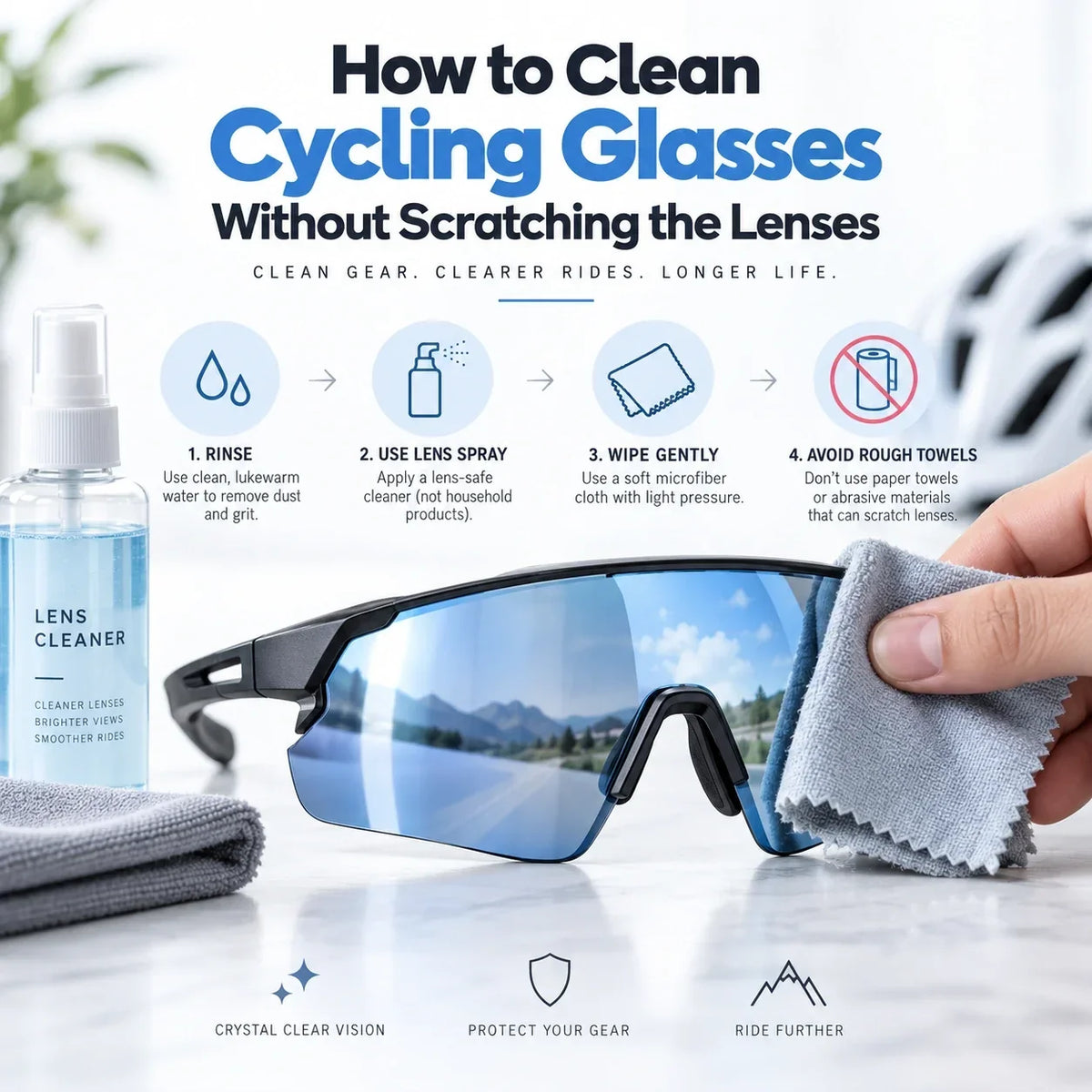
Before a ride, rinse your lenses with lukewarm water if they are dusty. Use mild soap or a proper lens cleaning solution when needed. Gently wipe both sides of the lenses with a clean microfiber cloth. Avoid paper towels, rough fabric, or the edge of a jersey, because those can scratch the lens surface or damage coatings.
Do not use hot water. Hot water may affect some lens coatings or frames, especially if the glasses use treated lenses. Also avoid harsh household cleaners, alcohol-based sprays, or strong chemicals unless the manufacturer specifically says they are safe for the lenses.
A simple pre-ride cleaning routine helps keep cycling glasses clear and reduces the chance of fogging once moisture builds up.
Improve Airflow Around the Lenses
Airflow is one of the most important factors in stopping cycling glasses from fogging. Moving air helps carry moisture away before it turns into condensation.
If your glasses sit too close to your face, warm air gets trapped behind the lenses. This is especially common with wraparound sports glasses, larger sunglasses, ski goggles, or frames that fit tightly around the nose and cheeks. A close fit can protect your eyes from wind, dust, and rain, but too little ventilation can cause foggy glasses.
Check how your riding glasses sit on your face. There should be enough space for air to move around the lenses without letting too much wind hit your eyes. This balance matters. Too much airflow can dry out your eyes, while too little airflow can cause fogging.
If your glasses have adjustable nose pads, use them to slightly move the lenses away from your face. A small change around the nose bridge can improve ventilation and reduce trapped heat. The goal is not to make the glasses loose. They should still feel stable when riding, but not pressed tightly against your skin.
These small fit changes can help stop cycling glasses from fogging without damaging lens coatings or reducing eye protection.
Check Helmet, Cap, and Frame Position
Your helmet and cap can affect how air moves across your cycling glasses. If the helmet sits very low on your forehead, it may block air from reaching the top of the lenses. A cycling cap can also trap heat near your eyebrows and push warm air downward behind the glasses.
In cold weather, many cyclists wear a cap, headband, balaclava, or winter helmet liner. These can help protect your head from cold wind, but they may also reduce ventilation. If your lenses fog during winter rides, check whether your headwear is pushing the glasses too close to your face or blocking airflow.
Small adjustments can help:
-
Raise the glasses slightly on your nose
-
Adjust the helmet so vents are not fully blocked
-
Keep the cap brim from pressing against the frame
-
Avoid pulling a face covering too high under the lenses
-
Make sure warm breath is not flowing directly upward
These small fit changes often make a noticeable difference.
How to Keep Cycling Glasses from Fogging During a Ride
Fogging often happens during moments when airflow suddenly changes. You may be fine while moving fast, then your lenses fog when you slow down, climb, or stop at a traffic light. This happens because your body is still producing heat and moisture, but the air moving across the lenses has dropped.
During a ride, the safest way to reduce fogging is to increase airflow without wiping the lenses with dirty fabric. If fog starts to build, slightly pull the glasses away from your face for a few seconds when it is safe to do so. This allows trapped moisture to escape. Once you start moving again, airflow may help clear the fog.
On climbs, fogging can be more common because your speed is lower but your heat output is higher. If you are overheating, unzip your jacket slightly, lower a face covering, or adjust your cap to release excess heat. Reducing trapped heat around the head and face can help reduce condensation behind the lenses.
If fogging becomes severe, stop in a safe place before cleaning or adjusting your eyewear. Clear vision matters more than forcing yourself to ride through foggy lenses.
Manage Breathing When Wearing a Mask or Neck Gaiter
Fogging often gets worse when wearing a mask, neck gaiter, or balaclava. Warm breath escapes upward and hits the cooler lenses. This is a common issue for cyclists in winter weather, dusty riding conditions, or cold morning commutes.
To reduce fogging, make sure your face covering directs breathing downward or away from the glasses. If the material sits loose around the nose, warm air will rise directly into the lenses. Try adjusting the nose area so the mask or gaiter sits more securely without forcing the glasses upward.
Do not block your breathing or make the fit uncomfortably tight. The goal is simply to reduce the flow of warm, moist air toward the lenses. A small gap near the lower face is often better than a gap near the nose.
Use Anti Fog Spray Carefully
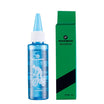
An anti fog spray can help reduce condensation on cycling glasses. These sprays leave a thin layer on the lens surface that makes moisture spread more evenly instead of forming foggy droplets. Anti fog sprays are commonly used for sports glasses, ski goggles, safety glasses, and some sunglasses.
However, not every spray is safe for every lens. Some cycling glasses have special coatings, such as hydrophobic coating, mirror finish, tint coating, or other lens treatments. Before using any anti fog liquid, check whether it is safe for coated lenses.
To use anti fog spray properly:
-
Start with clean lenses.
-
Apply a small amount of spray.
-
Spread it gently with a soft microfiber cloth.
-
Let it dry as directed.
-
Avoid wiping too hard.
Too much pressure can damage coatings or create scratches. Using too much liquid can also leave streaks, which may affect vision in bright light, low light, or rain.
Are DIY Anti Fog Methods Safe?
Some riders use DIY anti fog methods, such as a tiny amount of baby shampoo mixed with water. Baby shampoo can create a thin film that helps reduce fogging, similar to some anti fog solutions.
However, this method should be used carefully. Too much baby shampoo can leave smudges, blur vision, or attract dirt. It may also not be suitable for all lens coatings. If you try it, use a very small amount, dilute it well, and test it at home before riding. Never experiment with a new anti fog solution for the first time on a fast ride, group ride, or commute in traffic.
Avoid using toothpaste, shaving cream, strong dish soap, or harsh cleaners on cycling glasses unless the lens manufacturer says they are safe. Some internet tips may work on ski goggles or bathroom mirrors but are not ideal for sports glasses with coated lenses.
Choose Fog Resistant Lenses When Possible
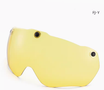
Some cycling glasses are designed with fog resistant lenses or coatings that help reduce condensation. These lenses do not make fogging impossible, but they can make it less likely in changing weather, high-sweat rides, or cold starts.
A fog resistant lens works best when combined with good airflow and proper cleaning. Even the best anti fog coating can struggle if the lenses are dirty, the frame is too tight, or warm breath is trapped behind the glasses.
It is also important to understand that anti fog and hydrophobic coating are not exactly the same. A hydrophobic coating helps water bead and roll off the outside of the lenses, which can be useful in light rain or road spray. Anti fog treatment helps reduce condensation on the inside of the lens. Some lenses may have one type of coating, both, or neither. Always check product details instead of assuming.
Avoid Common Anti-Fog Mistakes
Many cyclists make fogging worse by trying to fix it too quickly. The most common mistake is wiping foggy lenses with a glove, sleeve, or cotton shirt during the ride. This can spread sweat and dirt across the lens surface and may scratch coatings.
Another mistake is overusing anti fog sprays or liquids. More solution does not always mean better visibility. Too much liquid can leave streaks and smudges, especially when the lens catches bright sunlight or car headlights.
Cyclists should also avoid storing glasses loosely in a bag with tools, keys, or other gear. Scratched lenses are harder to clean and may hold moisture and dirt more easily. When not wearing your glasses, keep them in a pouch or protective case.
Good anti-fog care is not only about what you apply to the lenses. It is also about keeping the lens surface clean, protecting coatings, and avoiding damage over time.
Adjust for Cold Weather and Winter Rides
Winter is one of the hardest times to keep cycling glasses from fogging. The outside air is cold, your body is warm, and your breathing creates a lot of moisture. The temperature difference is stronger, so condensation forms faster.
For winter riding, focus on ventilation and breath control. Avoid sealing your face covering directly under the glasses. If you wear a cap or balaclava, check whether it is blocking airflow near the frame. During climbs, unzip your jacket slightly if you are overheating. Less trapped body heat can reduce moisture rising toward your face.
At stops, fogging can happen suddenly because airflow drops while your body is still producing heat. When waiting at traffic lights or regrouping, slightly pull the glasses forward on your nose to let air move behind the lenses. Once you start riding again, airflow may clear the fog.
Rain, Sweat, and Fogging
Rain does not always cause fogging by itself, but it can make the problem worse. Wet skin, a damp cap, and sweat increase moisture around your face. If rain cools the lens surface while your body stays warm, foggy lenses can appear quickly.
A hydrophobic coating can help water move off the outside of the lenses, but inside fogging still depends on airflow and moisture control. In wet weather, keep the inside of your lenses as clean and dry as possible. Store a microfiber cloth in a small pouch or bag so it stays clean.
Sweat can also create problems. When sweat dries on lenses, it leaves salt and residue. That residue attracts moisture and makes lenses harder to keep clear. After a sweaty ride, rinse and clean your glasses instead of letting sweat dry on the lenses.
Fit Matters More Than Many Riders Think
A good pair of cycling glasses should protect your eyes while allowing enough air to move around the lenses. If the frame is too tight against your cheeks or eyebrows, fogging becomes more likely. If the nose pads sit too low, warm air from your face may collect behind the lenses.
Adjustable nose pads are useful because they let cyclists fine-tune the distance between the lenses and face. For some riders, moving the lenses slightly higher improves vision and airflow. For others, moving them slightly forward reduces condensation.
Face shape matters too. A frame that works well for one rider may fog more easily on another. The goal is to find a stable fit that does not trap too much heat.
The Best Way to Prevent Foggy Glasses
The best way to prevent foggy glasses is to combine clean lenses, controlled moisture, and steady airflow. Anti fog spray may help, but it works better when the frame fit, nose pads, helmet position, and face covering are also adjusted.
Think of fog prevention as a system. Clean lenses reduce smudges and dirt. Good ventilation moves moisture away. Proper fit keeps the glasses stable without trapping heat. Careful storage protects the lens surface from scratches that can make cleaning harder over time.
When these habits work together, cyclists have a better chance of keeping their vision clear across changing weather, sudden stops, climbs, and everyday rides.
Quick Tips to Stop Cycling Glasses From Fogging
Here are practical tips cyclists can use before and during a ride:
-
Clean lenses before every ride
-
Use a soft microfiber cloth, not paper towels
-
Avoid hot water and harsh chemicals
-
Improve airflow around the lenses
-
Adjust nose pads if available
-
Keep masks or gaiters from directing breath upward
-
Check helmet and cap position
-
Use anti fog spray only if safe for the lens coating
-
Avoid touching the inside of the lenses with dirty gloves
-
Store glasses in a pouch to protect them from dust and scratches
-
Rinse sweat and dirt off after long rides
-
Test any anti fog solution before relying on it outdoors
These habits help reduce fogging and protect your lenses over time.
FAQ
Why do my cycling glasses fog up so quickly?
Cycling glasses fog up quickly when warm, moist air from your skin, sweat, or breathing gets trapped behind cooler lenses. This is more common in cold weather, during climbs, after sudden stops, or when a mask, cap, helmet, or tight frame reduces airflow.
Does anti fog spray stop cycling glasses from fogging?
Anti fog spray can help reduce foggy lenses by creating a thin layer that spreads moisture more evenly. However, it should be safe for the lens material and coatings. Always start with clean lenses, use a small amount, and avoid applying too much pressure when wiping.
Can I use baby shampoo to stop foggy lenses?
Some cyclists use a very small amount of diluted baby shampoo as a DIY anti fog solution. It may help reduce condensation, but it can also leave smudges or affect visibility if too much is used. It may not be suitable for all lens coatings, so test carefully before using it on a ride.
How do I stop cycling glasses from fogging in winter?
To reduce fogging in winter, improve ventilation, keep warm breath from flowing upward, and avoid sealing a mask or neck gaiter directly under the lenses. Adjust your cap, helmet, and nose pads to allow more airflow. At stops, slightly pull the glasses away from your face when safe to release trapped moisture.
Final Thoughts
Learning how to keep cycling glasses from fogging is mostly about controlling moisture and airflow. Foggy lenses happen when warm, humid air gets trapped behind cooler lenses. Clean lenses, better ventilation, correct frame position, and careful use of anti fog spray can all help.
No single fix works perfectly in every situation. Cold weather, rain, sweat, masks, and sudden stops can still create condensation. But with the right habits, cyclists can reduce fogging, protect their lenses, and maintain clearer vision on the road, trail, or commute.
Clear cycling glasses help you focus on the ride instead of worrying about foggy lenses. Whether you ride in winter weather, humid conditions, city traffic, or dusty paths, small adjustments can make a big difference in visibility and comfort.

Dejar un comentario
Este sitio está protegido por hCaptcha y se aplican la Política de privacidad de hCaptcha y los Términos del servicio.